Corns and calluses on the feet are very common. They often appear as a protective response to pressure or friction, but they can become highly bothersome and limit the way you walk. Furthermore, not every patch of hardened skin is a callus: sometimes it may be a plantar wart or another condition.
In this article, I explain why they appear, what you can do safely, and which practices are best avoided. We will also look at when professional chiropody is the best option and why people with diabetes need to take special care.
Why do corns and calluses appear on the feet?
The skin thickens when it receives repeated pressure or friction. This is a defense mechanism: the body creates a harder layer to protect the tissues underneath. The problem is that if the cause persists, this layer can grow and eventually cause pain.
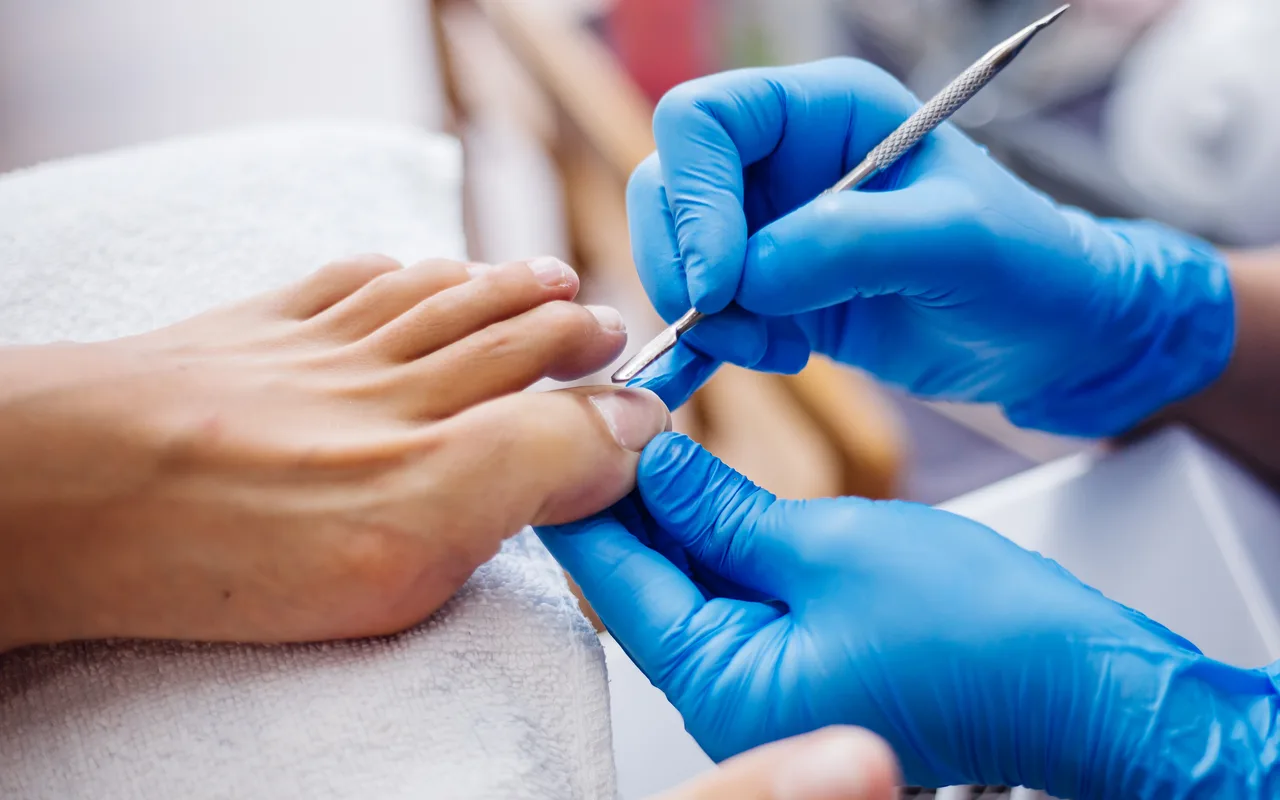
Tight, rigid shoes, or footwear that does not adapt to the shape of the foot are a common cause. Inner seams, inadequate insoles, socks that bunch up, or walking for long hours in inappropriate footwear can also contribute.
The shape of the foot also plays an important role. Bunions, claw or hammer toes, cavus foot (high arch), and certain gait alterations can concentrate weight on specific points. In these cases, superficial removal of the callus may provide temporary relief, but it does not resolve the underlying cause.
Calluses are usually more extensive and flat, while corns tend to be more localized and compact. They can appear on the toes, between the toes, on the metatarsal heads, on the heels, or any area subjected to load.
If you have pain on the sole of your foot or notice the problem always reappears in the same spot, a gait analysis might be useful. This assessment helps to understand how you distribute loads and whether you need to change your footwear, use protection, or consider custom insoles.
Painful foot calluses: what can you do?
The first step is to observe when it hurts and what activity triggers it. A discomfort that appears with a specific shoe is not the same as pain that is also present barefoot or at rest. This information can guide the assessment, but it does not replace a foot examination.
Check your footwear. It should have enough width so that the toes are not compressed, an adequate length, and a sole that protects without being excessively rigid. Avoid alternating between shoes that cause friction with the idea that your foot will eventually get used to them.
Daily hydration helps keep the skin more flexible. You can apply a specific foot cream, especially after showering, when the skin is clean and dry. There is no need to scrub hard or try to leave the area completely thin in a single session.
In some cases, a pumice stone or a file can help gently reduce the superficial skin, always over healthy skin, without wounds, and without causing pain. Do not do this if you have reduced sensitivity, circulation problems, or diabetes without consulting a professional first.
If the pain is severe, the callus is very deep, or it returns after a few days, do not insist on home remedies. The most useful treatment usually combines the safe removal of the hyperkeratosis with measures to reduce the pressure that caused it.
To better understand other causes of pain in the front part of the foot, you can read the article on metatarsalgia and why it hurts. Not all discomforts on the sole are explained by a callus.
What should you never do with a corn?
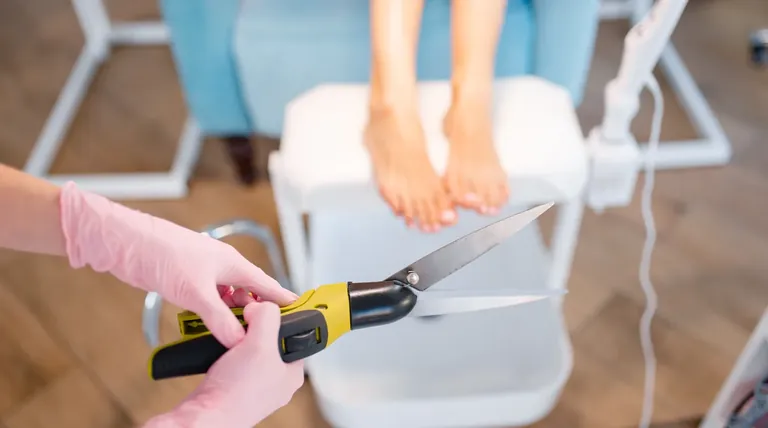
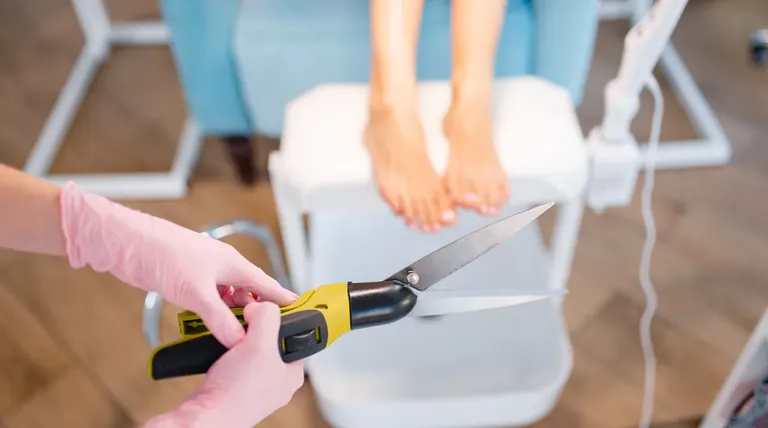
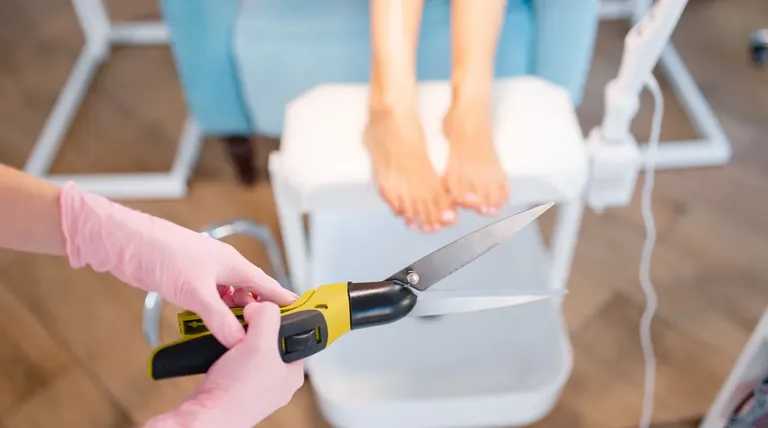
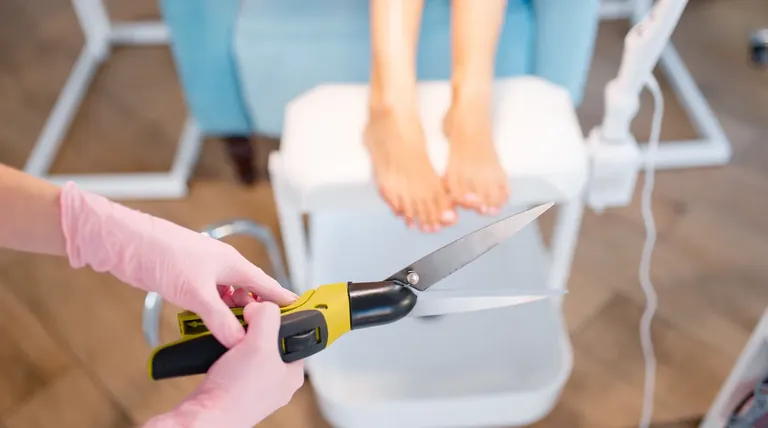
Do not attempt to cut the corn off with a scalpel, razor blade, scissors, or a knife. Even if it seems like a quick way to resolve it, you could cause a deep wound, an infection, or difficult-to-control bleeding. Furthermore, it is easy to remove too much tissue without realizing it.
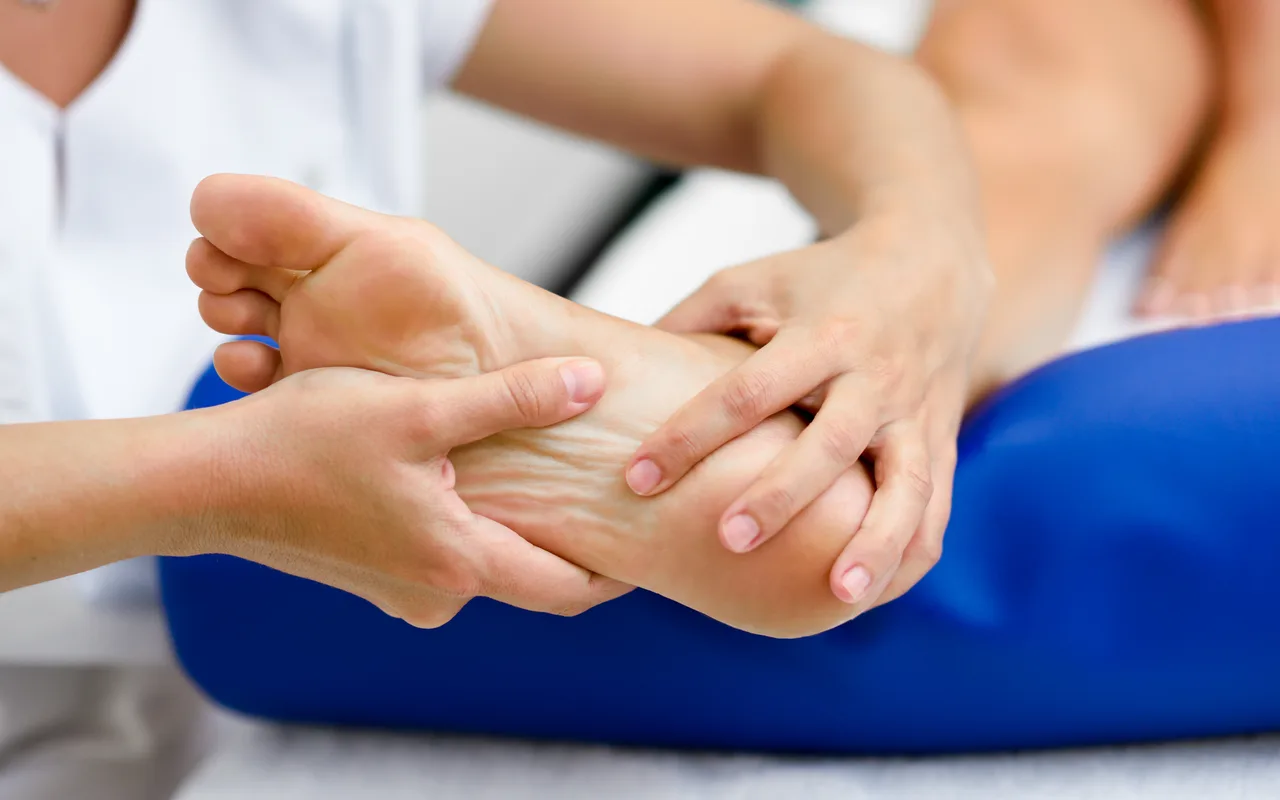
It is also not advisable to puncture the skin or tear it off after softening it. Just because a callus is hard does not mean it should be removed aggressively. The treatment must respect healthy tissues and take the cause of the pressure into account.
Avoid aggressive corn-removing products if you do not have a clear diagnosis. Many contain keratolytic substances that can irritate or burn the surrounding healthy skin. If what you have is not a callus, the product can worsen the problem and make subsequent evaluation more difficult.
Do not use pads, acids, or home remedies on a wound, an inflamed area, or skin with reduced sensitivity. Do not share files or tools either, as they can promote the transmission of microorganisms.
Finally, do not assume that a hard patch of skin is always a callus. A plantar wart can look similar but has a different origin and requires a different treatment. If you see dark spots, an interruption in the skin lines, lateral pain, or a spreading lesion, consult a professional before handling it. The information from MedlinePlus on foot injuries and disorders can also serve as a general guide, but it does not replace a visit.
Is professional chiropody enough?
In many cases, yes. During chiropody, the podiatrist examines the skin, identifies whether it is a callus, a corn, or another lesion, and removes the excess tissue with appropriate instruments and under hygienic conditions. The procedure should be progressive and should not cause a wound.
But removing the callus is only one part of the treatment. If the pressure continues, the skin is likely to harden again. That is why we also review the footwear, the way you walk, joint mobility, and the shape of the foot.
Depending on the case, we may recommend temporary protection, footwear changes, specific offloading, or insoles. If there is a significant structural deformity and the problem is persistent, a more specific treatment may be considered, including minimally invasive surgery when indicated.
Not all calluses require tests or surgery. Most can be managed with conservative measures. However, a check-up is especially useful when the pain is recurrent, affects your gait, or does not improve despite having changed your shoes.
For more information on common skin and nail conditions, you can consult the foot conditions explained by specialists. As always, informational content does not allow for diagnosing a specific lesion without examining it.
Diabetic foot: a situation requiring more caution
If you have diabetes, do not treat a callus as a minor problem. Neuropathy can decrease sensitivity and prevent you from noticing a wound or a burn. At the same time, circulatory problems can hinder healing and increase the risk of complications.
In this context, completely avoid blades, scissors, and corn-removing products without professional indication. Check your feet every day, including the spaces between the toes and the soles. Look for wounds, blisters, redness, swelling, temperature changes, or discharge.
Wash them with lukewarm water, dry them thoroughly without rubbing, and moisturize the skin, but do not apply cream between the toes if they tend to retain moisture. Wear clean socks and comfortable shoes, and do not walk barefoot if you have reduced sensitivity.
If you detect a lesion, a blackened area, a wound that does not improve, or signs of infection, seek medical attention without delay. On our diabetic foot page, you will find more information on warning signs and care.
Calluses that are painful, reappear frequently, or make walking difficult require an evaluation. The key is not to remove the skin at all costs, but to understand why it has formed and protect the foot. If you would like to review your case, you can contact Serven Clinics and we will guide you on the next step.