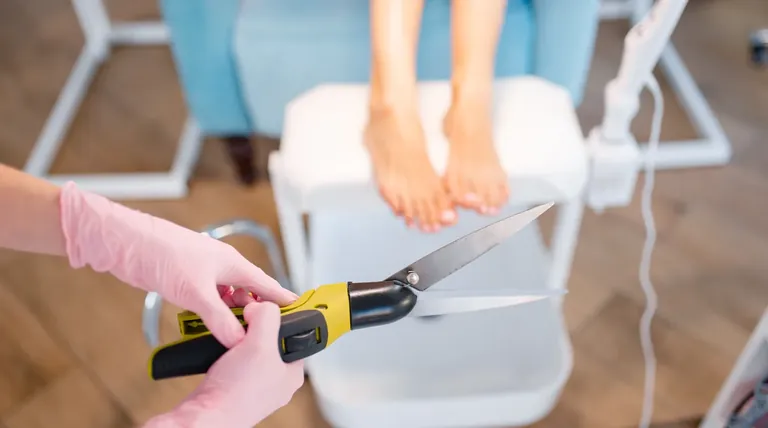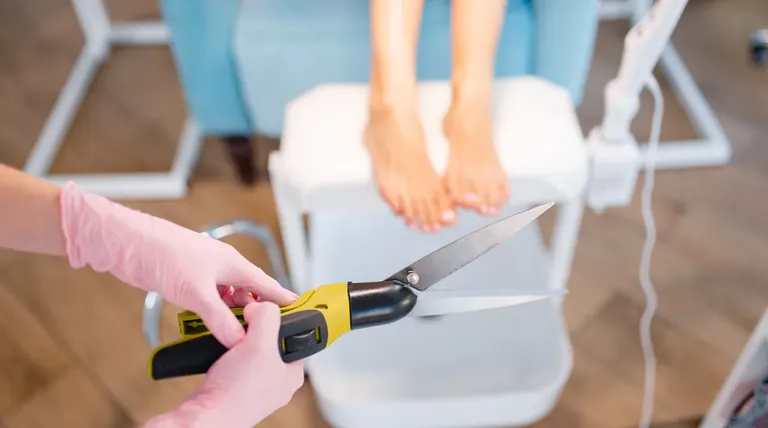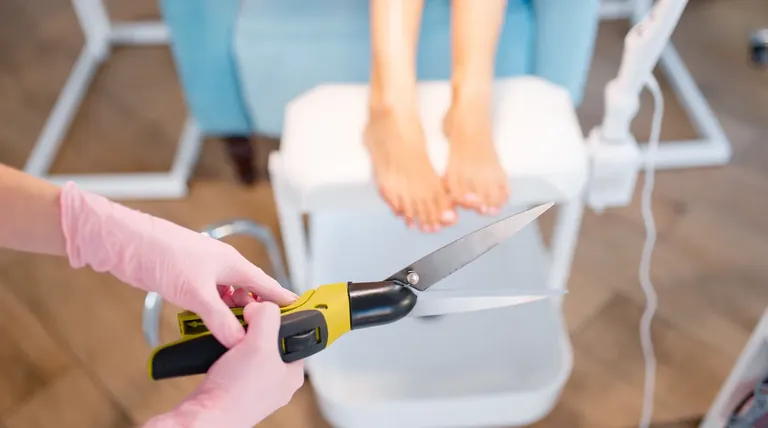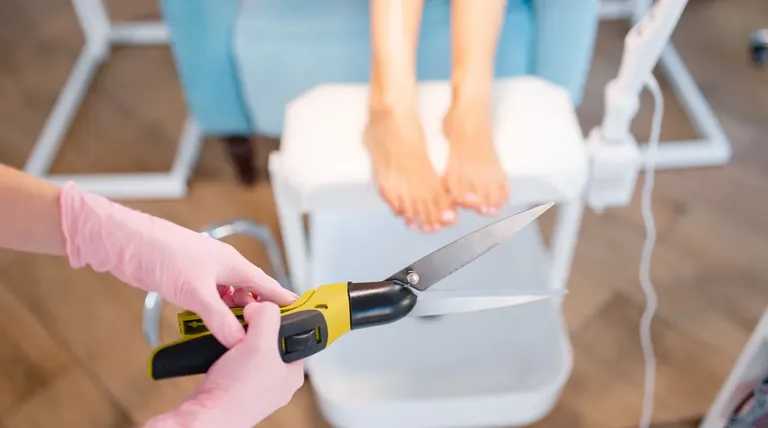
Sweating on the feet is a normal bodily response to regulate temperature. However, when it is very heavy, persistent, and difficult to control, it may be referred to as plantar hyperhidrosis. The feet remain damp for a good part of the day, footwear deteriorates faster, and bad odor, irritation, or infections may appear.
This is a common problem that often causes discomfort, but there is no need to resign yourself to it. There are simple measures that can reduce moisture and, when these are not enough, treatments that can be evaluated in consultation. The goal is to improve comfort and protect the skin, not to promise a universal cure.
What is plantar hyperhidrosis and why does it occur?
Plantar hyperhidrosis is the production of sweat beyond what is necessary for normal temperature regulation. It can occur isolated to the feet or be part of a more generalized sweating. In some people, it begins during childhood or adolescence; in others, it appears later in life.
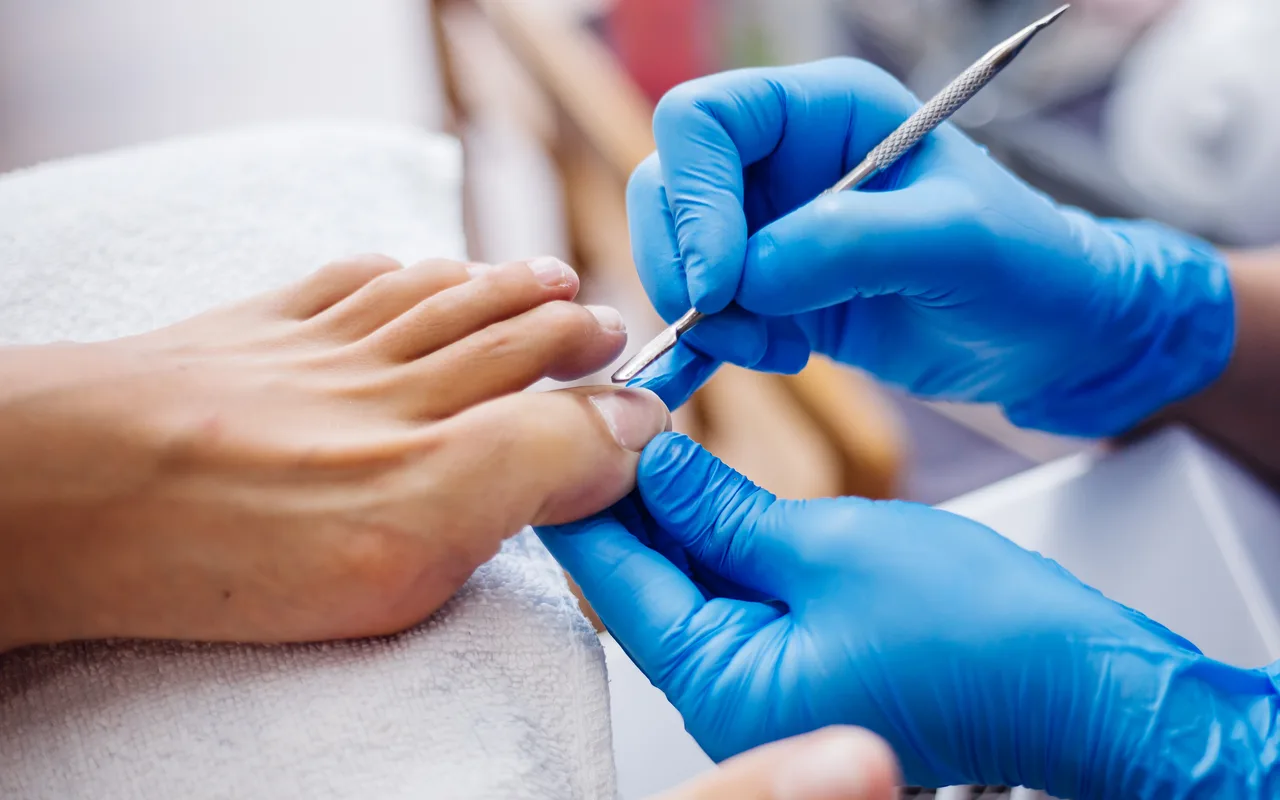
The causes cannot always be identified. There may be an individual predisposition and an elevated activity of the sweat glands. Heat, exercise, stress, anxiety, hormonal changes, and certain types of footwear can intensify the problem.
There are also situations where excessive sweating is secondary to another condition or certain medications. For this reason, if the change is recent, very pronounced, or accompanied by night sweats, weight loss, palpitations, or other symptoms, it is important to discuss it with a healthcare professional.
For general information on foot disorders and injuries, you can consult this informative guide on foot health. It does not replace a clinical examination, but it can help you better understand the symptoms.
Are bad odor and fungal infections related to sweat?
Sweat does not necessarily smell bad. The problem usually arises when moisture is trapped inside the sock and the shoe. In this warm environment, skin bacteria can break down components of sweat and generate an unpleasant odor.
Damp skin also becomes more fragile. This facilitates irritation, small fissures, and the proliferation of fungi, especially between the toes. Athlete’s foot can cause itching, redness, peeling, or cracks. If the infection affects the nails, thickening, discoloration, or partial detachment may occur; in this case, consult the information on onychomycosis without leaving a space between the bracket and the parenthesis when publishing.
The relationship is therefore indirect: sweat is not the only cause, but it maintains conditions that favor bacteria and fungi. If you have lesions between your toes, persistent bad odor, or nail changes, it is not advisable to simply mask them with scented products.
You can also read this article on why nail fungi return. Proper prevention and treatment are important to avoid relapses, but the diagnosis must confirm that it is indeed a fungal infection.
Hygiene and footwear measures that can help
Wash your feet every day with water and a mild soap. Then, dry them carefully, especially between the toes. This area often remains damp and is one of the most sensitive to irritation and fungi. There is no need to scrub hard or use harsh products, as they can alter the skin’s natural barrier.
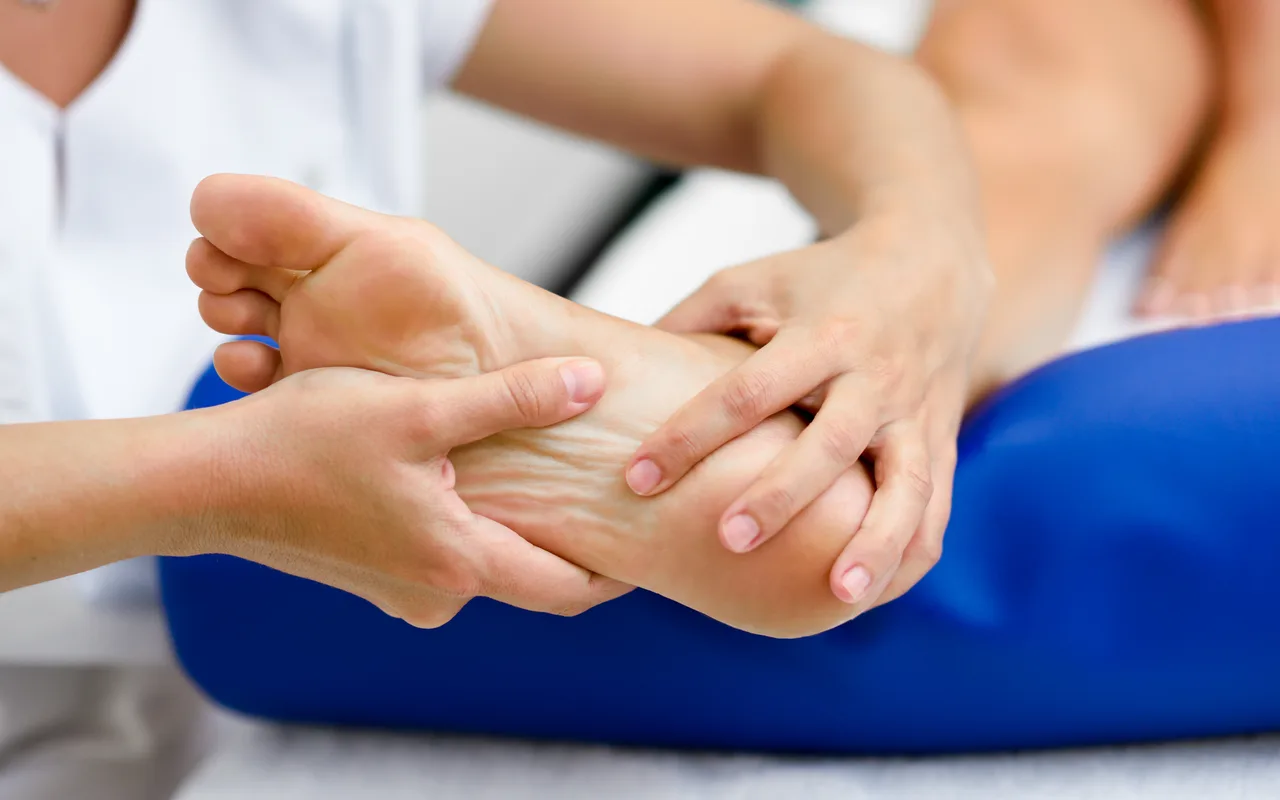
Change your socks every day, and if you sweat heavily, do so more frequently. Prioritize fabrics that facilitate moisture evaporation and avoid keeping your feet in wet socks for many hours. Wash footwear according to the manufacturer’s instructions and let it dry completely before using it again.
Alternating shoes can be useful: this gives each pair time to air out. Choose wide, breathable models that are appropriate for your activity. Very closed shoes, synthetic materials, and soles that do not allow ventilation can worsen the feeling of dampness.
You can ask at the pharmacy or your podiatrist about specific antiperspirant products for the feet. Some contain aluminum salts and are preferably applied to dry skin, often at night. Always follow the instructions and discontinue use if they cause severe irritation. Do not use them on wounds, deep cracks, or inflamed skin without professional advice.
If you would like more information on preventing common problems, consult this information source on foot conditions. However, for persistent lesions, an in-person assessment remains the best option.
When basic measures are not enough
If the sweating remains very intense despite improving hygiene and footwear, we can evaluate other alternatives. Before treating it, it is important to review the symptoms, the condition of the skin, your medical history, and the products you have already tried. It is also necessary to identify possible infections or wounds that require specific attention.
Iontophoresis is an option that can be considered in some cases of plantar hyperhidrosis. It involves placing the feet in water trays while a low-intensity electrical current is applied. The procedure is performed in a controlled manner, and the sessions are adjusted according to the response and tolerance of each individual.
It is not suitable for everyone. It is necessary to review, among other things, the presence of wounds, sensory alterations, certain medical devices, or special situations. The frequency of the sessions and subsequent maintenance depend on each case; therefore, it is not advisable to start without professional guidance.
Botulinum toxin can also be considered when hyperhidrosis is pronounced and other measures have not worked sufficiently. It is applied at specific points on the sole of the foot to temporarily reduce the activity of the sweat glands. It may cause local discomfort and is not a definitive solution; the indication must be personalized after explaining the benefits, limitations, and possible adverse effects.
Other systemic treatments or more invasive procedures are not the first option in most cases and require specific medical evaluation. The goal is to choose the least complex intervention that is reasonable for your situation.
How is the assessment conducted in the consultation?
At Serven Clinics, the visit begins with a conversation about when you sweat, whether it also happens in your hands or other areas, what situations make it worse, and how it affects your daily life. We examine the skin, the spaces between the toes, and the nails, looking for signs of infection, irritation, or other associated problems.
We also review your footwear, hygiene habits, and previous treatments. If you have diabetes, it is especially important to monitor any fissures or wounds and follow the recommendations of the diabetic foot pathway. Moist and damaged skin may require closer monitoring.
Hyperhidrosis does not usually explain pain, deformity, or foot overload on its own. If, in addition to sweating, you have discomfort when walking, we can evaluate other factors and, when indicated, perform a gait analysis. This helps differentiate problems that require a specific approach.
There is no single treatment for everyone. One person may improve with habit changes and an antiperspirant; another may need iontophoresis or an evaluation for botulinum toxin. The decision is made gradually, with realistic expectations and by monitoring the progress.
If excessive foot sweating limits you or promotes recurrent infections, request an assessment at Serven Clinics. We will help you understand the origin of the problem and choose the most appropriate options for your case.