Your feet bear the weight of your body every day and are subjected to friction, pressure, and moisture inside footwear. Over time, corns, calluses, thickened nails, or minor discomfort can appear and make walking comfortably difficult. Chiropody allows these alterations to be examined and treated with proper clinical care.
Below, we explain what chiropody is, how it differs from a cosmetic pedicure, when it can be useful, and why it requires special attention in people with diabetes or older adults.
What is chiropody and what does it include?
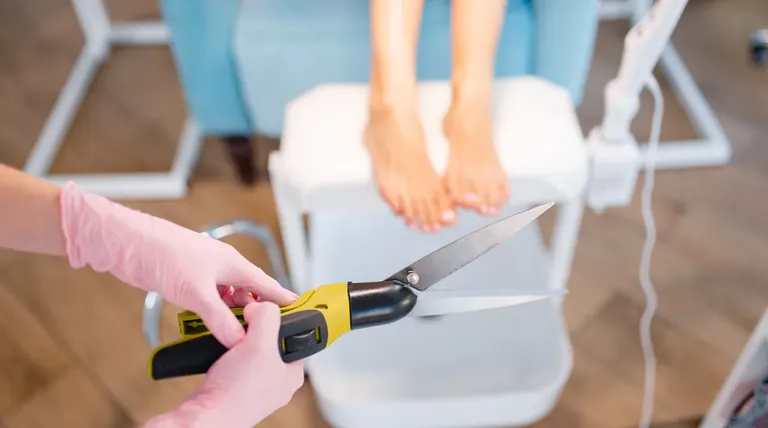
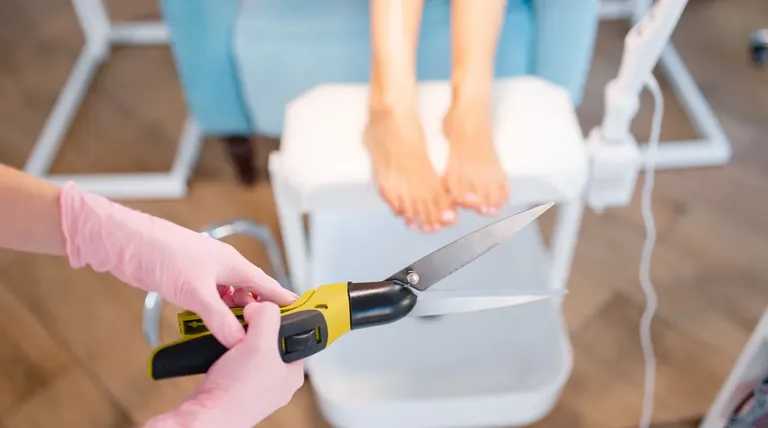
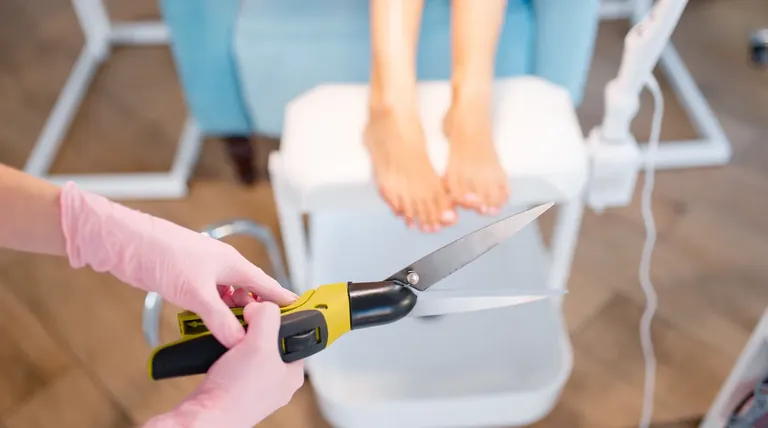
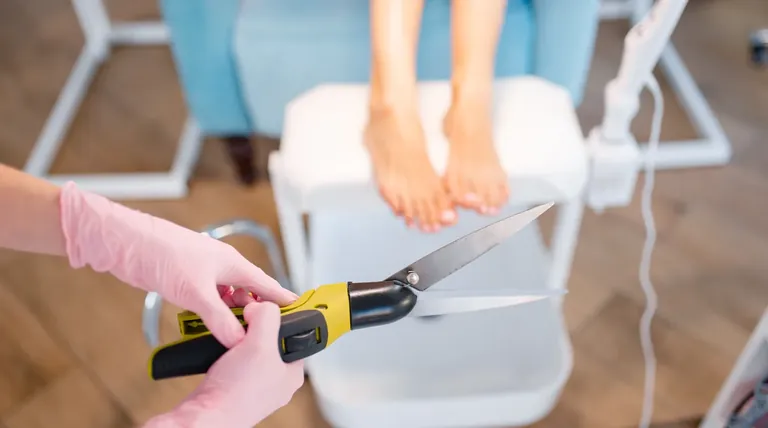
Chiropody is a podiatric treatment focused on the care of the skin and nails of the feet. It usually includes an examination of the general condition of the foot, controlled removal of calluses and corns, treatment of corns, and the trimming or filing of nails when necessary.
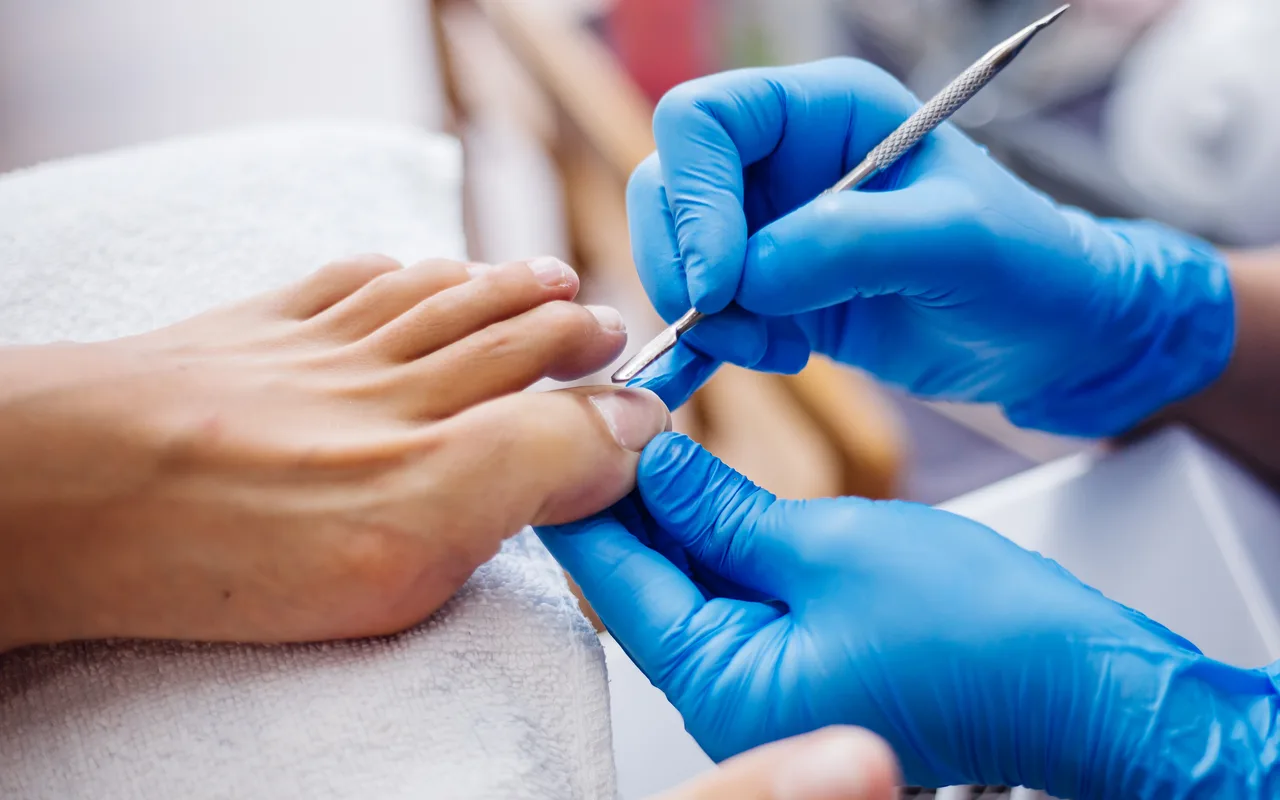
The procedure is adapted to each person. Treating a superficial callus caused by unsuitable footwear is not the same as treating a very painful area related to a bunion, claw toes, or a gait abnormality. That is why, before acting, the podiatrist examines the skin, the nails, the footwear, and the way you place weight on your foot.
Calluses and corns are not always just a skin problem. They often indicate that an area is receiving too much pressure or friction. If this cause persists, the lesion may reappear. In these cases, it may be necessary to assess the footwear, the shape of the foot, or the distribution of loads.
You can find more information about corns and calluses, especially if the discomfort is recurrent, if it hurts when you walk, or if you are not sure whether it is a callus, a plantar wart, or another type of lesion.
During a chiropody treatment, signs of onychomycosis, an ingrown toenail, or other alterations requiring a specific approach can also be identified. If there is significant inflammation, discharge, bleeding, or intense pain, it is not advisable to try to resolve it at home without a professional assessment.
Chiropody and cosmetic pedicure: what’s the difference?
A cosmetic pedicure aims to improve the appearance of the nails and skin. It may include nail trimming and decoration, the application of cosmetic products, or a massage. It is a suitable option when there are no lesions, pain, or risk factors that require medical attention.
Chiropody, on the other hand, serves a podiatric purpose. The goal is not only for the feet to look better, but to assess and treat alterations that can cause discomfort or make walking difficult. The instruments, technique, and hygiene measures are used in accordance with each person’s clinical needs.
This difference is especially important if you have fragile skin, poor circulation, reduced sensitivity, or a history of foot wounds. In these situations, cutting a nail too short, removing a callus aggressively, or using irritating products can cause a lesion that goes unnoticed or takes a long time to heal.
Chiropody also does not replace a medical or podiatric consultation when there is an underlying condition. If, for example, you have a recurring ingrown toenail, an infection, or a plantar wart, the professional can indicate the most appropriate treatment. In some cases, it may also be necessary to study your gait or correct the factors that maintain the pressure.
For more information about home care and common causes, you can read the article about corns and calluses on the feet. It is also useful to learn about common foot problems according to MedlinePlus, always bearing in mind that general information does not replace an individual examination.
When might chiropody be right for you?
You may consider chiropody if you have calluses that keep coming back, painful corns, hardened skin on the sole or toes, nails that are difficult to trim, or discomfort with certain shoes. It can also be useful if you notice that you are walking differently to avoid putting weight on a particular area.
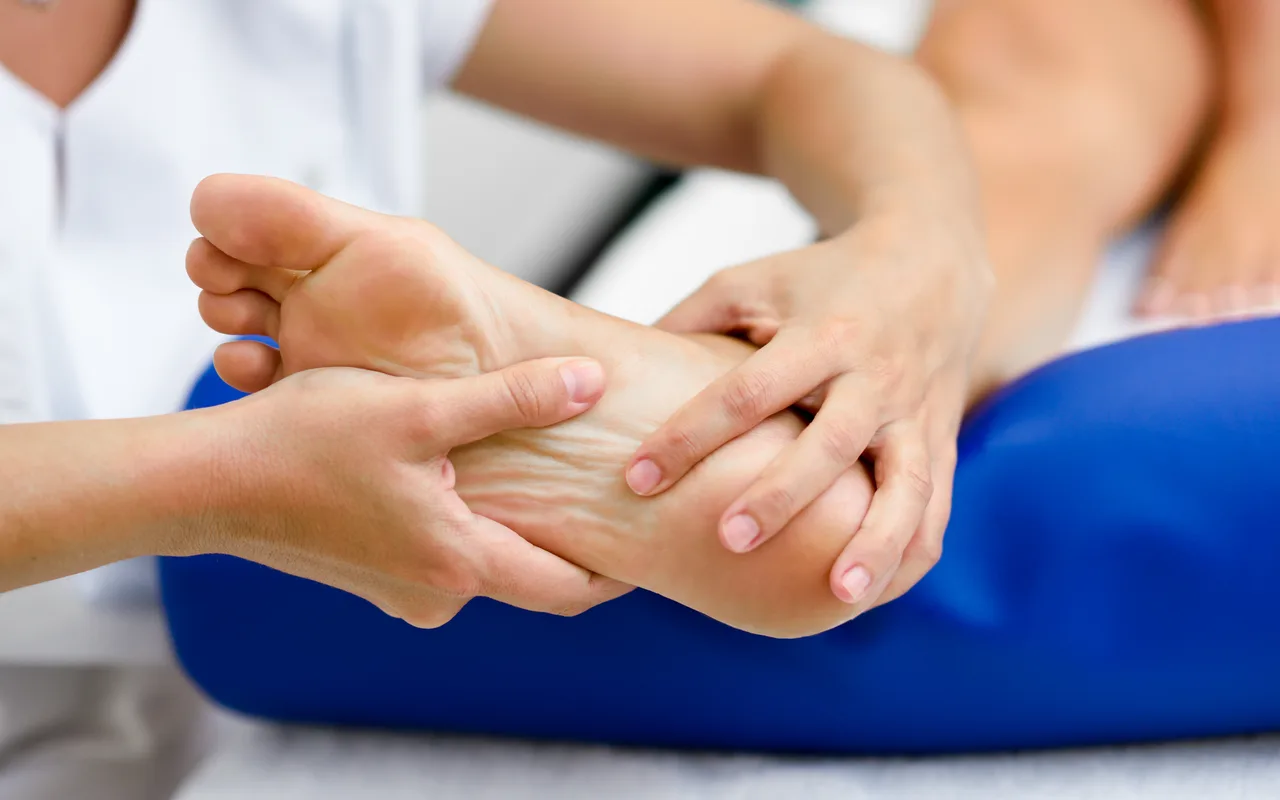
There is no need to wait until the pain is severe. An early check-up can help identify the cause of the pressure and prevent a minor alteration from becoming a wound or limiting your activity. However, treatment does not guarantee that the problem will not recur if the underlying cause remains, such as narrow footwear or a toe deformity.
See a professional if you notice persistent redness, swelling, local warmth, a wound, bleeding, discharge, a change in skin colour, or sudden pain. It is also advisable to do so if the lesion does not improve, if it wakes you at night, or if you cannot identify what you have.
Depending on the examination, the podiatrist may recommend footwear changes, protective padding, local care, custom insoles, or a gait study. When the problem is structural and does not resolve with conservative measures, other alternatives are considered, always on an individual basis.
Why is it especially important in the diabetic foot?
Diabetes can be associated with reduced sensitivity and circulatory alterations. This means a person may not notice a wound, a burn, or excessive pressure from a shoe. In addition, some lesions can evolve in a more complex way and require early attention.
In people with diabetes, chiropody should not be understood as an occasional cosmetic treatment, but as part of the prevention and care of the foot. The professional examines the skin and nails, identifies pressure points, and applies appropriate techniques to reduce the risk of lesions.
It is not advisable to cut calluses with blades, scissors, or sharp objects, or to use callus-removing products without a professional indication. It is also not a good idea to walk barefoot if you have reduced sensitivity, or to keep wearing shoes that cause rubbing. Check your feet every day, including the sole and the spaces between the toes, and seek advice if a wound or a change appears that does not go away.
You will find more information about prevention and warning signs on the page dedicated to the diabetic foot and in the article about signs and care of the diabetic foot. You can also consult general information about foot conditions at Foot Health Facts.
Older adults also need specific care
With age, flexibility, vision, and the ability to trim one’s nails safely can decline. Dry skin, toe deformities, thickened nails, and difficulty finding comfortable footwear are also more common. All of this can promote the formation of calluses and limit mobility.
In this group, chiropody can make foot hygiene and maintenance easier, but it also makes it possible to detect problems that go unnoticed. A callus can change the way a person walks and increase instability. A nail that is too long can press against the neighbouring toe or against the shoe.
It is important not to normalise pain or attribute every discomfort to age. If an older person has difficulty reaching their feet, is losing sensitivity, takes medication that affects coagulation, or has diabetes, it is preferable for the treatment to be performed by a professional. The frequency of check-ups will depend on their general condition and individual risk.
The price of a chiropody treatment can vary depending on the complexity of the case, the number of nails or lesions that need treating, and the length of the appointment. For this reason, there is no universal rate that applies to everyone. The best way to find out the cost is to contact the chiropody service and briefly explain the reason for your visit.
Chiropody can relieve a specific discomfort, but it does not always resolve the underlying cause. If lesions keep reappearing, if you have persistent pain, or if there is a deformity, the whole foot needs to be studied. At Serven Clinics we can assess your case and advise you on the most appropriate treatment. If you would like to request information or an appointment, you can get in contact.