Heel pain
Heel pain is not a diagnosis, it is a symptom. We help you find the cause and treat it.
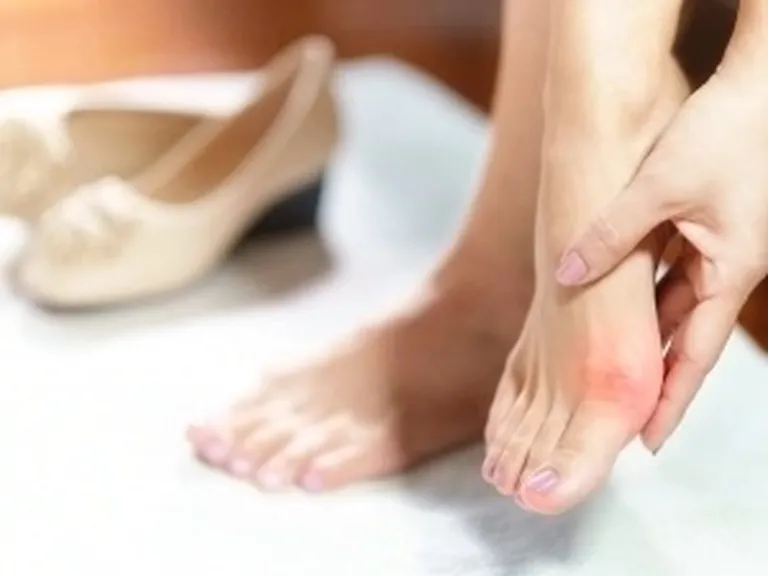
The full guide
What is it?
In summary: heel pain has a solution, and the key is finding the cause —often plantar fasciitis, not the spur. We diagnose it with ultrasound during the same appointment and, in the vast majority of cases, we treat it without surgery. In Martorell, Barcelona (Teknon) and Igualada.
Heel pain is one of the most frequent reasons for consultation… and one of the most poorly treated, because often the symptom is attacked without finding the cause. Here we do it the other way around: first we find out why it hurts.
The most common causes are plantar fasciitis (the most frequent) and the heel spur. With the examination and ultrasound we distinguish between them and choose the treatment that suits you. Choose below what sounds most like your case.
Why the heel hurts more when getting up or after sitting
Many patients describe it the same way: the first steps of the morning are the worst. The heel pain stabs, forces you to walk carefully for a few minutes, and then eases a bit.
This happens because, during rest, the heel tissues retract. When you put weight on the foot again, they stretch suddenly and protest. It is the most typical pattern of plantar fasciitis, the most frequent cause of this pain.
But it is not the only possibility. Pain that grows at the end of the day, or that is centered behind the heel, may point to Achilles tendinopathy or an overload of the heel pad. Each pattern points to a different cause. That is why the first question of the visit is not “where does it hurt”, but when.
Common mistakes that prolong the pain
With heel pain, there is a very human temptation: waiting for it to go away on its own. Sometimes it does. But when the pain has been going on for weeks, the most likely thing is that the problem settles in.
These are the errors we see most often in consultations:
- Continuing with the same activity that caused the pain, without adapting it.
- Changing shoes blindly, without knowing if footwear is really the cause.
- Taking anti-inflammatories as the only measure: they soothe, but do not correct anything.
- Stretching aggressively a tissue that is already irritated.
The result is usually the same: you walk differently to protect the heel and end up overloading the knee, the hip, or the other foot. Breaking this circle is easier the sooner you start.
What the first visit is like if you come for heel pain
First we talk. Since when it hurts, at what time of day it appears, with what shoes, what job you do and what sport. This conversation already rules out many things before touching your foot.
Then we explore the heel and perform an ultrasound in the same appointment. It allows us to see the fascia and soft tissues the same day, without waiting for external tests to start.
If we suspect that the way you walk is contributing, we complete it with a gait analysis with a 3D scanner. And with all the information, we propose a specific plan: depending on the cause, it may include regenerative treatments, insoles made for your foot, or activity guidelines. Never a “by protocol” treatment: first the cause, then the solution.
How it feels
Symptoms
Pain when putting weight on the heel, especially in the morning or after sitting
Discomfort that increases at the end of the day or with activity
Sometimes, a localized stabbing pain or a tender sensation
Why it happens
Causes and risk factors
Heel pain can have different origins: the most frequent cause is plantar fasciitis, but there is also the heel spur (often associated, although rarely the actual cause), overloads, or problems with the heel pad. Therefore, the first step is not to treat blindly, but to find out WHAT is causing it.
At the clinic
How we diagnose it
01
First visit
We locate the pain and assess how long it has been hurting and when it appears.
02
Ultrasound
We visualize the fascia and heel tissues during the appointment.
03
Gait analysis
We check if biomechanics are contributing to the problem.
Your options
Where does your heel pain come from?
Plantar fasciitis
The most frequent cause of heel pain.
See moreHeel spur
Often associated; we explain what role it really plays.
See moreDon’t let it linger
When to see us
If heel pain lasts more than two weeks, wakes you up at night, or forces you to change the way you walk, it is worth having it assessed. Most cases improve without surgery if the cause is treated.
Un trato excelente de todo el personal y muy profesionales.
Rocío G. C. · Google review
Frequently asked questions
You may also like
Related conditions
Plantar fasciitis
Heel pain has a solution. We explain why it appears and how we treat it, without technical jargon.
See more
Calcaneal spur
The spur is often not the true cause of heel pain. We explain what triggers it and how we treat it.
See more
Achilles tendonitis
Pain and stiffness in the heel tendon, especially when starting to move. We explain how we treat it.
See moreLet’s take the first step together
We’ll explain your case, no commitment.