Metatarsalgia
Pain in the sole of the forefoot, as if stepping on a stone. We explain why and how we treat it.
The full guide
What is it?
In summary: forefoot pain usually improves by redistributing the load with well-designed insoles. Before making them, we study how you step with a 3D scanner to design them with a criterion, not just “to put on”. In Martorell and Barcelona.
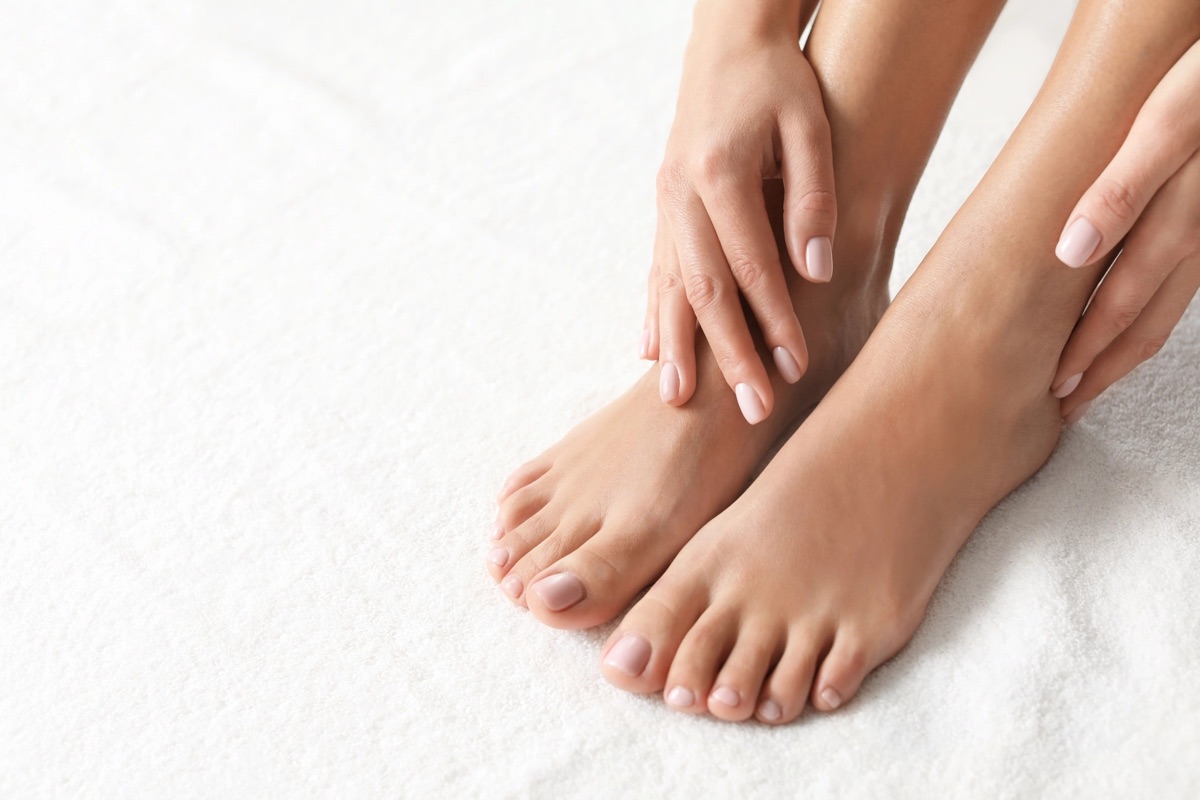
Metatarsalgia is pain in the sole of the forefoot, in the area of the metatarsal heads. Many people describe it as “walking on a stone” or feeling a fold in the sock that isn’t there.
It appears when this area supports more load than it should. The job is to find why you are overloading and redistribute it, often with custom-made insoles.
The sensation of stepping on a stone: what your foot is telling you
When the sole of the foot hurts while stepping, just behind the toes, your body is telling you something very specific: that area is supporting more load than it should.
The forefoot acts as a weight distributor. If a metatarsal bears too much load —due to the shape of the foot, footwear, or how you walk— the tissue underneath protests. First, it is discomfort at the end of the day; then, pain that appears with every step.
Sometimes the culprit is not the load, but a compressed nerve: Morton’s neuroma gives similar symptoms —the famous “little stone”, cramps towards the toes— and distinguishing them changes the treatment. That is why we explore and perform an ultrasound in the same visit, without waiting.
Footwear and metatarsalgia: small changes that are noticeable
While correcting the cause, footwear can give great relief:
- Sole with some thickness and cushioning: very thin and hard soles punish the forefoot.
- Moderate heel: high heels shift all the weight towards the painful area.
- Toe box wide enough for the toes to move.
- Be careful about going barefoot for many hours on hard ground if you already have pain.
These changes alleviate, but do not correct the cause. If your gait loads the forefoot poorly, the long-term solution involves a gait analysis with a 3D scanner and, often, custom insoles that redistribute the load with precision.
Why metatarsalgia rarely comes alone
In the consultation, metatarsalgia is often the consequence of something else. A bunion that causes the big toe to bear less load and the neighbors more. Claw toes that concentrate pressure on small points. A hollow foot that supports almost all the weight on the heel and forefoot.
That is why we do not stop at “it hurts here, put on an insole”. We look for what has led this area to overload, and the plan addresses both things: today’s pain and the cause that maintains it. Complete examination, 3D gait scan and, if necessary, ultrasound: all in the first visit.
If pain in the sole of your foot makes you avoid walks or change your usual footwear, do not normalize it: pain when stepping is not “a thing of age”, it is a signal that the load can be distributed better. And redistributing it well is, in most cases, the key to treatment.
How it feels
Symptoms
Pain in the sole, in the area of the metatarsal heads
Sensation of walking on a stone or a fold
Discomfort that increases with flat shoes or heels
Why it happens
Causes and risk factors
It appears when the metatarsal heads support more load than they should, due to an altered gait, a wide forefoot, inadequate footwear, or other deformities (such as bunions). Treatment involves redistributing this load.
At the clinic
How we diagnose it
01
First visit
We locate the area of pain and possible deformities.
02
Gait analysis
We see how you distribute the load on the forefoot.
03
Ultrasound
We rule out other causes such as Morton's neuroma.
Your options
Treatments
Each card links to the treatment page.
Custom insoles
They redistribute the load and offload the painful area.
See moreGait analysis
To understand and correct the cause.
See moreUltrasound-guided infiltrations
In specific cases that do not improve.
See moreDon’t let it linger
When to see us
If forefoot pain appears regularly when walking or limits your choice of footwear, it is worth studying how you step. Correcting the cause prevents it from getting worse.
Un trato excelente de todo el personal y muy profesionales.
Rocío G. C. · Google review
Frequently asked questions
You may also like
Related conditions
Morton's Neuroma
Burning sensation or feeling of an electric shock between the toes. We explain what it is and how we treat it.
See moreHallux rigidus (stiff big toe)
When the big toe loses mobility and hurts while walking, there are more options than it seems. We explain them here.
See moreClaw toes and hammer toes
Toes that curl and rub against the shoe have a solution, often simpler than you think.
See moreLet’s take the first step together
We’ll explain your case, no commitment.