Plantar fasciitis
Heel pain has a solution. We explain why it appears and how we treat it, without technical jargon.
The full guide
What is it?
In summary: plantar fasciitis has a good prognosis and the vast majority of cases improve without surgery. The key is finding your cause —we assess it with ultrasound and gait analysis the same day— and treating it, not just calming the pain.
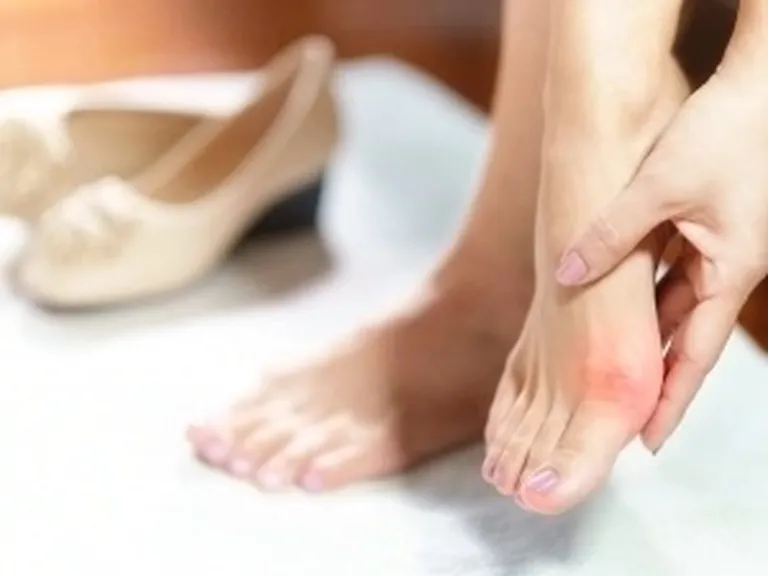
The plantar fascia is a band of tissue that runs from the heel to the toes and supports the arch of the foot. When overloaded, it becomes inflamed and causes pain —especially when taking the first steps in the morning. It is one of the most common causes of heel pain and, when properly treated, it evolves well in the vast majority of cases.
Not all fasciitis cases are the same: behind the same pain there can be a gait that loads incorrectly, shortening of the calf muscle, or overload from sport. Therefore, before treating, we look for your cause.
Plantar fasciitis in runners and in those who work standing up
Plantar fasciitis has two very clear profiles in the consultation. The runner who has increased kilometers or changed running shoes too quickly. And the person who spends many hours standing on hard surfaces, often with flat footwear.
In both cases the mechanism is similar: the fascia receives more load than it can assume and becomes irritated. The difference lies in how we approach it.
In runners, it is not enough to calm the pain: it is necessary to review running gait, footwear, and training progression. This is the realm of sports podiatry, where the objective is not only for it to stop hurting, but for you to be able to keep running without relapsing.
If your case is standing work, the key is usually to better distribute the load: appropriate footwear and, when gait contributes, custom insoles designed based on your 3D scan study.
Exercises for plantar fasciitis: what you can do at home
There are exercises that usually help, provided the diagnosis is clear:
- Gentle stretches of the calf and the sole of the foot, without reaching pain.
- Rolling a small ball or a bottle under the sole, with moderate pressure.
- Strengthening the foot muscles, for example by scrunching a towel with your toes.
However, an important nuance: if what you have is not fasciitis, these exercises may be of no use —or may even bother you more. Before following videos for weeks, it is worth confirming the diagnosis. We do this with ultrasound at the first visit, in the same consultation.
How long does it take for plantar fasciitis to improve
It is the question everyone asks, and the honest answer is: it depends. It depends on how long you have had it, the specific cause, your daily activity, and how your tissue responds.
What we can tell you is what we see every week: fasciitis cases that are treated early and addressing the cause usually evolve better than those that have been “endured” for months. And when the initial treatment is not enough, there are next steps —from regenerative treatments to ultrasound-guided injections— before considering anything else.
If your heel has been bothering you for a long time, you might also be interested in understanding the real role of the heel spur: it often appears on X-rays, but it is rarely the true culprit of the pain.
How it feels
Symptoms
Stabbing pain in the heel when getting out of bed
Discomfort that improves with walking and reappears after sitting
Pain after sports or at the end of the day standing
Why it happens
Causes and risk factors
Overload from sport or standing work, inappropriate footwear, a gait that places incorrect load on the heel, or shortening of the posterior muscle group. In the consultation we look for your specific cause: treating only the pain without correcting it often makes it return.
At the clinic
How we diagnose it
01
First visit
Examination and history: when it hurts and since when.
02
In-clinic ultrasound
We see the fascia the same day, without waiting.
03
Gait analysis
If we suspect biomechanics is the cause.
Your options
Treatments
Each card links to the treatment page.
Regenerative treatments
PRP and hyaluronic acid to stimulate tissue repair.
See moreCustom insoles
They offload the fascia by correcting gait.
See moreGait analysis
We find and correct the biomechanical cause.
See moreUltrasound-guided injections / PRP
For cases that do not improve with the above.
See moreDon’t let it linger
When to see us
If heel pain lasts more than two weeks, wakes you up at night, or forces you to change the way you walk, it is time to be seen. The sooner it is treated, the simpler the recovery.
Un trato excelente de todo el personal y muy profesionales.
Rocío G. C. · Google review
Frequently asked questions
You may also like
Related conditions
Calcaneal spur
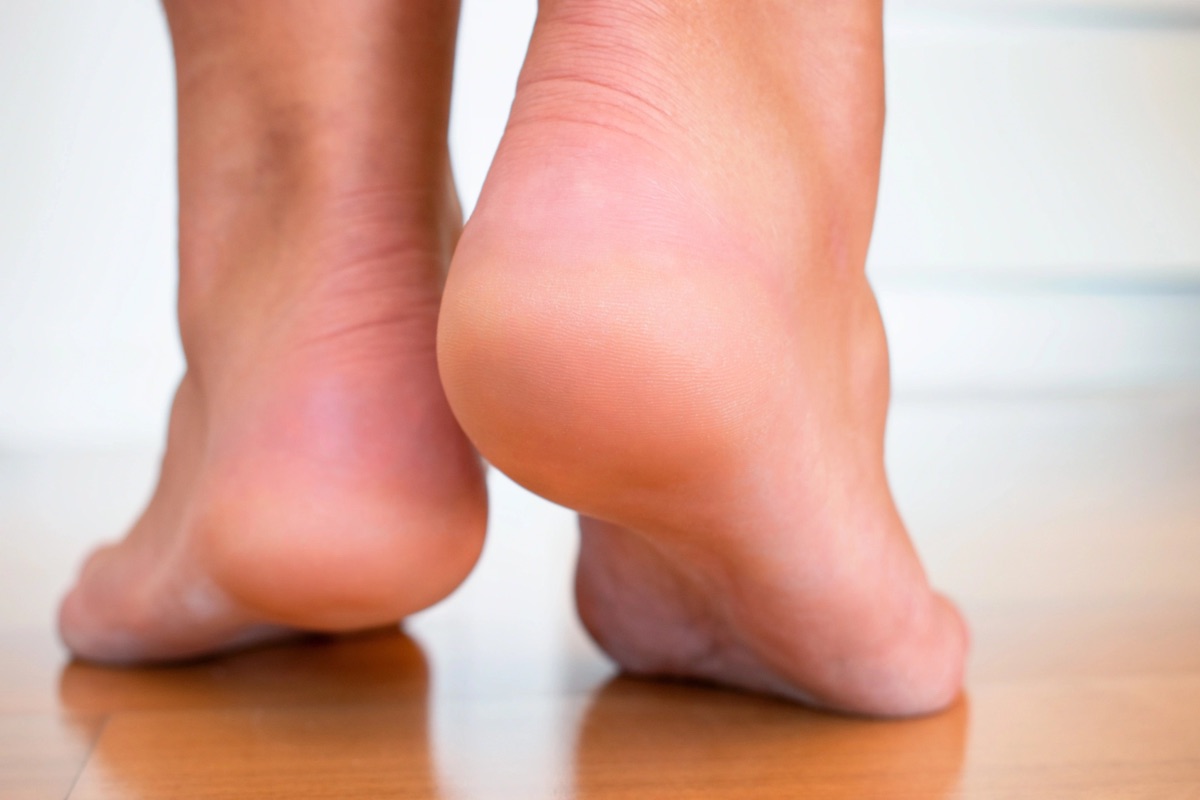
The spur is often not the true cause of heel pain. We explain what triggers it and how we treat it.
See more
Achilles tendonitis
Pain and stiffness in the heel tendon, especially when starting to move. We explain how we treat it.
See more
Heel pain
Heel pain is not a diagnosis, it is a symptom. We help you find the cause and treat it.
See moreLet’s take the first step together
We’ll explain your case, no commitment.