Step by step
How the process works
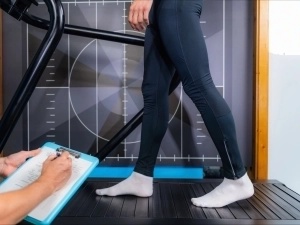
Runner assessment
We analyze your gait, footwear, and training loads.
Prevention or treatment plan
Sports insoles, exercise, and loading guidelines.
Return to sport
We accompany you in a progressive return to avoid relapses.
What we work with
Technology we use
Objective diagnosis, not guesswork: this is the equipment we use to work on your case in Martorell.
Discover all our technologyYour case
Wondering if this treatment is right for you? We’ll assess it, no strings attached.
Tell us what you’re feeling and we’ll tell you the next step — no rush, no pressure.
Muy profesional y buen trato, tanto para mí como para mi hija. Las plantillas van genial. Lo recomiendo.
Carlos C. · Google review
The full guide
What it involves
In short: the goal is not for you to stop, but for you to move well again. We start from the runner assessment and gait analysis to prevent and treat overload injuries, and plan a progressive return to sport.
Sports podiatry deals with foot and ankle injuries related to physical activity: plantar fasciitis, tendinopathies, overloads. The goal is not for you to stop, but to move well again.
We start from the runner assessment and gait analysis to prevent and treat with criteria, and plan a progressive return to sport.
What a sports podiatrist does that a general podiatrist doesn’t
A sports podiatrist doesn’t just look at the foot: they look at the gesture. How you step when you run, what footwear you use, how many kilometers you do and how you have been increasing them. Most runner injuries don’t come from a single impact, but from a sum: a load that rises faster than the tissue can tolerate, on a gait that doesn’t help.
That is why the basis of our work is gait analysis applied to sport: running analysis, pressure platform, and a serious conversation about training and footwear. Without understanding the gesture, treating the injury is treating only half of it. We have been working with athletes since 2005, from the popular runner to the regular competitor, in Martorell and Barcelona.
The injuries we see most often in runners
At the forefront, heel pain: plantar fasciitis and Achilles tendinopathy are the classics for the long-distance runner. Also metatarsalgia — pain under the forefoot, frequent at fast paces — and the discomfort that remains after a poorly recovered ankle sprain.
The pattern repeats almost always: the pain improves with rest and returns with activity. This is the signal that there is a mechanical cause to correct, not just a tissue to calm down. If this sounds familiar, the prior study is the first step.
How we approach the return to sport
We don’t believe in “stop running” as a treatment plan. Our goal is to adjust: sometimes the gait with sports insoles, sometimes the footwear, and very often the progression of training loads.
The return is scheduled in stages and is reviewed: volume is recovered first and then intensity, and each step is confirmed before taking the next. We won’t give you fixed dates, because each injury and each athlete responds differently. What you will have is a plan with criteria and follow-up until you return to competing — or simply to enjoying your sport without thinking about your foot.
Common questions
Frequently asked questions
Let’s take the first step together
We’ll explain your case, no commitment.