Plantar warts (papillomas)
Papillomas are stubborn, but with the right treatment and consistency they can be cured. We explain how.
The full guide
What is it?
In summary: the plantar wart (papilloma) is a viral infection of the skin of the foot. It is distinguished from a callus because it hurts when pinched and usually has dark dots. It is cured with a treatment plan in the clinic and consistency; home remedies usually prolong the problem.
The plantar papilloma is one of the most common consultations in podiatry, and one of the most frustrating: many people arrive after months trying pharmacy remedies without results, or after filing it thinking it was a callus — which can spread the virus.
A properly prescribed treatment works, but it requires patience and check-ups: the skin of the sole is thick and the virus lives there protected. In the clinic we choose the appropriate option for your lesion and follow up until it disappears completely.
Why home remedies often fail
The list is long: pharmacy acids, garlic, duct tape, filing the lesion… and the result is usually the same: wasted months. There are three underlying reasons.
The first is the skin: the sole of the foot is the thickest area of the body, and the virus lives in the deep layer. Over-the-counter products, designed to be safe without supervision, often do not reach it with enough strength or for enough time.
The second is the diagnosis. Many “warts” that arrive at the consultation are actually calluses or helomas, and vice versa. Treating a callus with acid irritates healthy skin; and filing a papilloma thinking it is a callus can spread the virus and turn one lesion into several.
The third is consistency: no plantar wart treatment works with a single application. Without a plan or check-ups, it is easy to give up just before it takes effect. That is why the circuit that works is the opposite: first confirm what it is, and then treat with a plan and follow-up, as we do in the chiropody consultation.
Swimming pools and locker rooms: how to reduce the risk of contagion
The virus is transmitted by contact, especially on damp and shared floors. The risk cannot be eliminated entirely, but it can be greatly reduced with simple habits: flip-flops always in showers, locker rooms and pool edges; dry feet well, especially between the toes; do not share towels or footwear; and check children’s feet from time to time, as it is a frequent lesion at school age.
These same damp spaces favor other foot infections, such as nail or skin fungi — we discuss this on the onychomycosis page. The same habits protect against both.
And a note: having a papilloma does not mean having neglected hygiene. It only means that the virus found a small entry point. It can happen to any foot.
How it feels
Symptoms
Round lesion on the sole of the foot, often with dark dots in the center
Pain when pinching it from the side, more so than when stepping on it flat
Can appear alone or in clusters (mosaic)
Why it happens
Causes and risk factors
They are caused by the human papillomavirus (HPV), which enters through small breaks in the skin. Contagion is typical in shared damp spaces: swimming pools, locker rooms and public showers. They have nothing to do with personal hygiene, and any foot can catch them.
At the clinic
How we diagnose it
01
First visit
We confirm that it is a papilloma and not a callus or a heloma: they are treated differently.
02
Assessment of the lesion
Size, depth, evolution time and whether there is more than one.
03
Treatment plan
We choose the option according to the lesion and your skin, and schedule follow-up visits.
Don’t let it linger
When to see us
If a new lesion appears on the sole of your foot that hurts when pinched, do not file it or cut it: if it is a papilloma, you could spread it. It is better to confirm what it is and treat it properly from the start.
Un trato excelente de todo el personal y muy profesionales.
Rocío G. C. · Google review
Frequently asked questions
You may also like
Related conditions
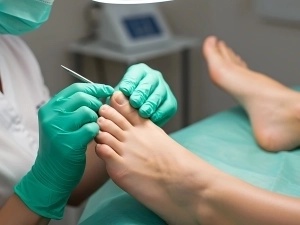
Corns and calluses
The skin defends itself against pressure by hardening. We remove corns or calluses painlessly and, most importantly, look for the cause so they do not return.
See more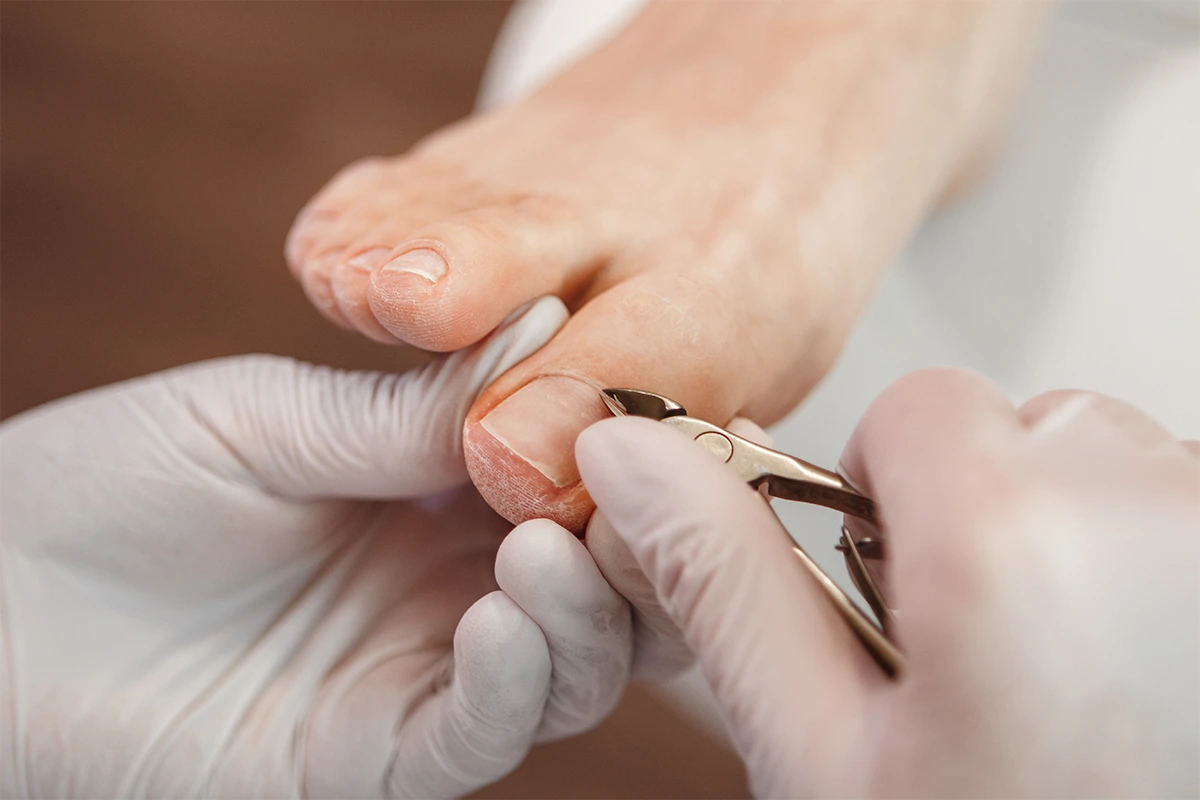
Ingrown toenail
Ingrown toenails have a definitive solution. We explain how we treat them to prevent recurrence.
See moreToenail fungus (onychomycosis)
Thickened, yellow, or brittle nails. We explain how we confirm if it is fungus and how we treat it.
See moreLet’s take the first step together
We’ll explain your case, no commitment.