Athlete’s foot is a superficial skin infection usually caused by fungi. Its medical name is tinea pedis and it can cause itching, peeling, redness, stinging, or small cracks, especially between the toes. It is very common and, in many cases, can be treated, but it is also common for it to reappear.
The cause is rarely a lack of hygiene. Fungi find an ideal environment when there is moisture, heat, and little ventilation. This is why closed footwear, locker rooms, shared showers, and sweaty feet can contribute to its persistence. Understanding this mechanism is key to treating the infection and reducing the risk of it returning.
What exactly is athlete’s foot?
Tinea pedis affects the superficial layer of the skin and can present in different ways. The most well-known form is the one that appears between the toes, with white or macerated skin, itching, and small fissures. It can also cause peeling on the sole and sides of the foot, making the skin look dry and flaky.
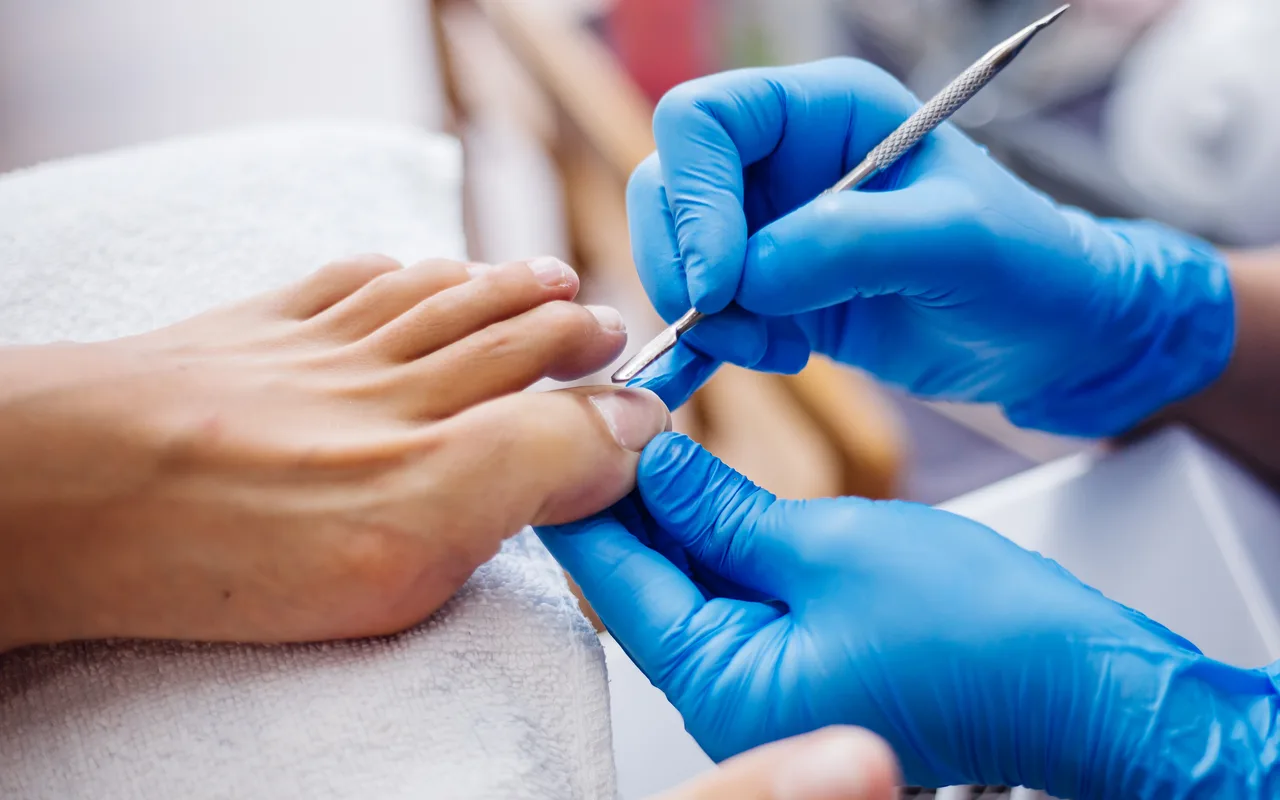
In other cases, there are small blisters, redness, or a burning sensation. Not all itchy lesions are fungi: dermatitis, eczema, shoe irritation, or some warts can look similar. For this reason, if the problem does not evolve as you expected, the diagnosis needs to be reviewed.
The infection can spread from one foot to the other or extend to other areas, such as the hands or nails. When the fungus reaches a nail, onychomycosis can appear, with changes in color, thickness, or texture. The skin and nails can act as a reservoir and facilitate the reappearance of the problem.
For more general information on foot problems and injuries, you can consult this medical information about the foot and its conditions and this guide to foot conditions developed by specialists.
Athlete’s foot treatment: what can you do?
The usual treatment consists of a topical antifungal, available in pharmacies in different formats, such as cream, gel, or spray. The active ingredient and duration depend on the product and the condition of the skin. Before applying it, wash your feet and dry them carefully, especially between the toes.
Apply the product as indicated in the package leaflet. Do not use more of it thinking it will act faster, and do not stop using it as soon as the itching disappears. Symptoms may improve before the fungus has been completely eliminated. Following the guidelines helps reduce the risk of relapse.
During treatment, try not to scratch. Small wounds can become irritated or infected. Do not share towels, socks, shoes, or pedicure tools either. Wash towels and socks regularly and let the footwear dry completely before using it again.
When looking into how to cure athlete’s foot, it is normal to come across home recommendations. Keeping the skin clean and dry is helpful, but it does not replace an antifungal when there is an active infection. Vinegar, alcohol, bleach, or essential oils can irritate the skin and are not a guaranteed cure. Avoid aggressive solutions, especially if you have fissures.
If you have questions about how to apply the treatment, consult a pharmacist or a podiatrist. Not all products are suitable for everyone, and skin that is highly inflamed, wounded, or sensitive may require a different evaluation.
Why does athlete’s foot come back?
Moisture is one of the main factors. If you don’t dry the space between your toes well after showering, the skin becomes macerated and more vulnerable. Sweat also maintains a hot and humid environment for hours, especially if you wear closed footwear or engage in physical activity.
Footwear plays an important role. Shoes that are not very breathable, sports shoes that have not dried completely, and materials that retain sweat can favor the persistence of fungi. Wearing the same pair every day, without giving it time to air out, doesn’t help either.
Locker rooms, swimming pools, and shared showers are spaces where you may come into contact with infected skin scales. There’s no need to be alarmed, but it is important to adopt simple measures: wear flip-flops, do not walk barefoot in damp areas, and dry yourself before putting on your socks.
Another cause of relapse is stopping the treatment too early. The fact that the skin stops itching does not always mean that the infection is resolved. It can also return if the fungus has reached the nails or if the same environment of heat and humidity is maintained.
Finally, keep in mind that it might not be athlete’s foot. If the diagnosis is not correct, an antifungal cream will not solve the problem. A podiatric examination can help differentiate it from other skin conditions and decide on the most appropriate treatment.
Hygiene and prevention to avoid relapses
Wash your feet every day with water and mild soap and dry them without rubbing hard. Pay special attention to the spaces between the toes. If you sweat heavily, change your socks when they are damp and prioritize breathable fabrics. In some people, it may be helpful to consider specific measures to control sweating.
Let your shoes air out and alternate pairs. Avoid wearing closed footwear for many hours if you can combine it with moments of ventilation. At home, whenever it is comfortable and safe, you can wear footwear that allows the skin to breathe better.
Do not share towels, socks, shoes, or nail clipping tools. Wash socks after each use and keep the inside of the footwear clean. Insoles and sports shoes can also retain moisture, so it is important to dry them completely.
If you have heavy sweating, also read these tips on excessive foot sweat. When sweat is a constant factor, addressing it can be part of prevention, even if on its own it is not the only cause of the infection.
Chiropody can be useful to check the condition of the skin and nails, especially if there are calluses, fissures, or difficulty in maintaining proper hygiene. You can learn more about our chiropody service, always understanding that professional care complements, but does not replace, medical treatment when there is an infection.
When is a pharmacy antifungal not enough?
The case should be evaluated if you do not notice a clear improvement after having applied the product correctly, if the symptoms spread, or if the problem reappears several times. Also if there is severe pain, marked inflammation, local heat, discharge, wounds that do not heal, or a very unusual odor.
People with diabetes, circulation issues, weakened immune systems, or foot sensitivity problems should not self-treat for too long. A fissure between the toes may be small, but in these cases, it is advisable to prevent complications and consult early. You can find more information about this situation on our diabetic foot page.
It is also advisable to consult if the infection affects the nails. Onychomycosis may require a different approach than skin infections and a longer treatment plan. Identifying it early helps prevent it from acting as a source of new relapses.
During the consultation, we can examine the skin, nails, footwear, and habits that may be maintaining the moisture. If the diagnosis is not clear, we will evaluate other causes of peeling or itching and indicate when it is necessary to refer you to another specialist. The goal is to treat the problem with clear criteria, without promising immediate results or recommending unnecessary products.
Athlete’s foot is common, but you should not normalize it if it keeps coming back time and time again. A well-indicated treatment, good hygiene, moisture control, and a nail check can make a difference. If you want to have your case evaluated, you can get in touch with Serven Clinics and we will offer personalized guidance.