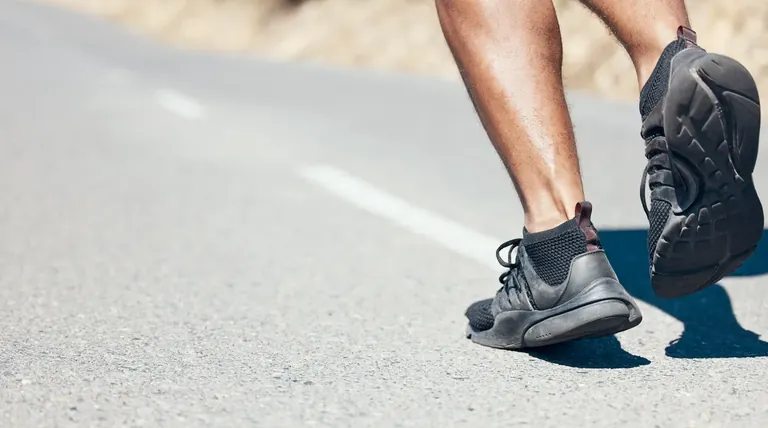
Running is a healthy activity, but it also subjects the foot and ankle to thousands of repeated loads. The Achilles tendon, which connects the calf muscles to the heel bone, absorbs and transmits a significant part of this effort. When the load exceeds the tendon’s adaptive capacity, pain and stiffness can appear.
In this article you will find a practical guide to Achilles tendinopathy in runners: why it happens, which symptoms guide the diagnosis, how treatment is approached and what you can do to reduce the risk of it coming back. The popular name “tendinitis” is still widely used, but we often speak of tendinopathy because the problem is not always acute inflammation.
Why does Achilles tendon pain appear?
The most common cause is overload. This happens when you increase mileage too quickly, introduce intervals or sprints, add hills or change surfaces without giving your body time to adapt. It can also appear after a period of inactivity, when you resume training at your previous pace.
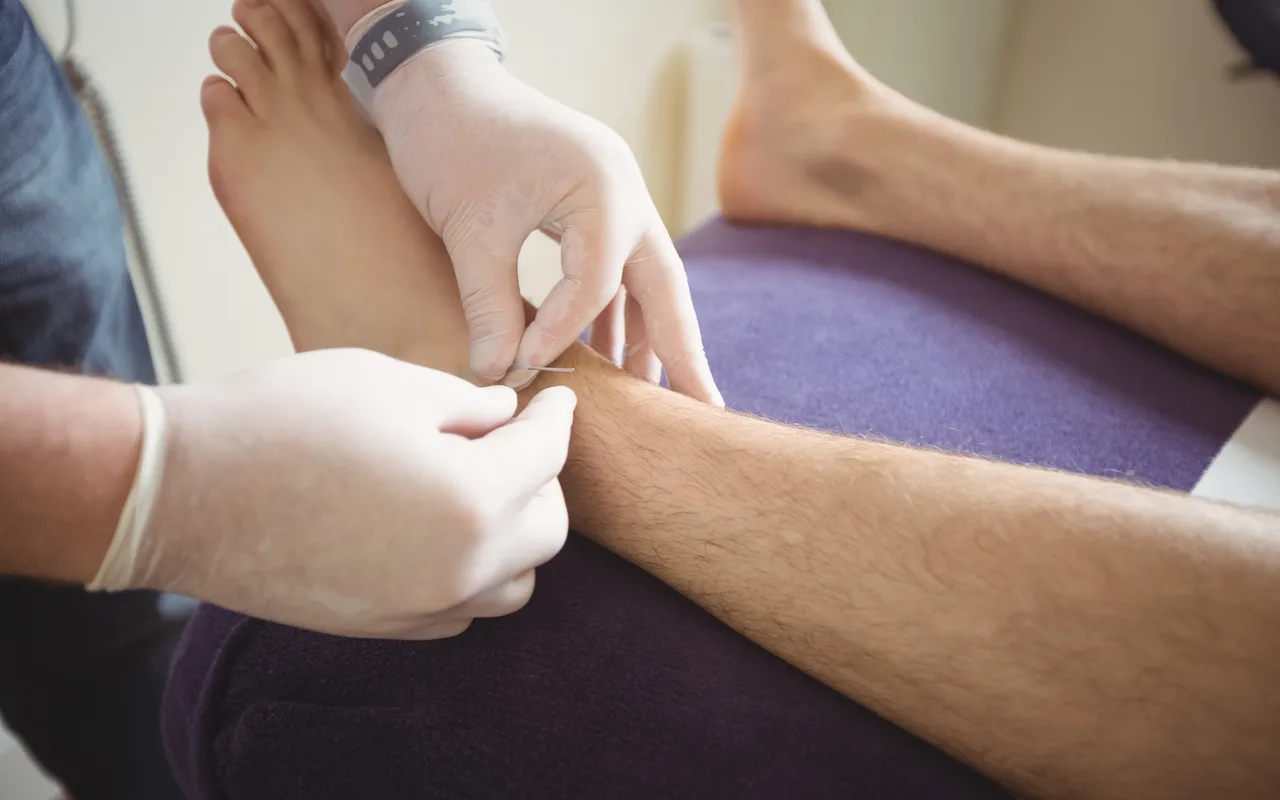
The tendon does not work in isolation. Calf strength, ankle mobility, running technique, foot control and recovery all influence how loads are distributed. Inappropriate or very worn footwear can contribute to the problem, but rarely explains the entire injury on its own.
Being overweight, age, marked muscle stiffness, certain metabolic diseases and some medications can also play a role. This does not mean these factors prevent you from running, but rather that a more progressive and individualised plan may be needed.
Tendinopathy can affect the middle portion of the tendon or the area where it inserts into the heel. This distinction matters because not all exercises and loads are tolerated equally. You can find more information on our page about Achilles tendinopathy.
Symptoms you should recognise
The main symptom is pain at the back of the ankle or heel. At first it may only appear during running, especially when starting, speeding up or going uphill. Afterwards, discomfort may linger for hours or the next morning.
Morning stiffness is common. Some people describe the first steps as painful, with the sensation improving after walking for a while. This improvement does not mean the tendon has recovered: if the load remains excessive, the pain can return with greater intensity.
You may also notice tenderness when pressing the tendon, thickening, local warmth or reduced strength when standing on tiptoe. In more advanced cases, everyday activities such as climbing stairs or walking briskly can become uncomfortable.
Sudden pain, accompanied by a snap, rapid swelling or inability to push off, requires immediate assessment. It could be a partial or complete rupture, which is not the same as an overload-related tendinopathy.
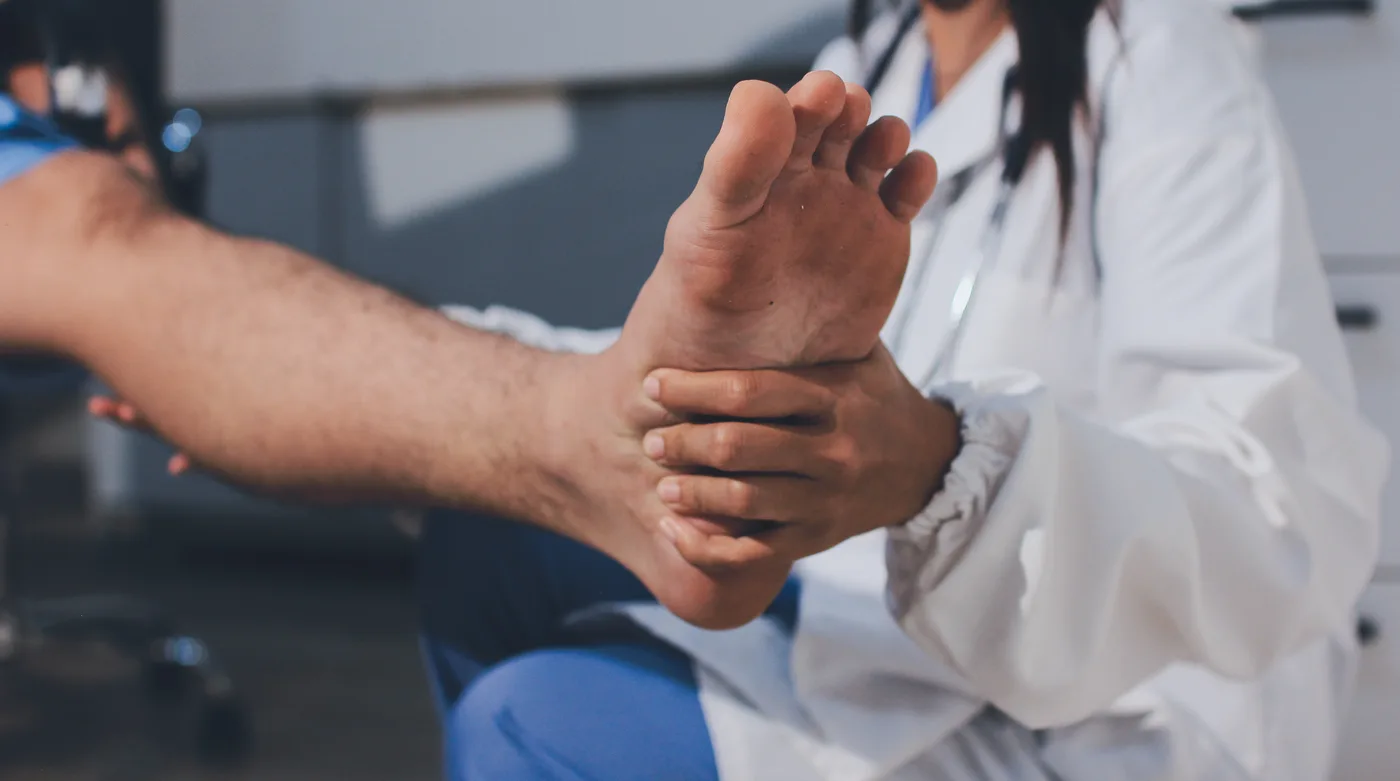
The diagnosis is mainly based on clinical examination and the history of the injury. When necessary, an ultrasound or MRI can help assess the tendon’s condition and rule out other causes. Heel pain can also have other origins, which is why it is important not to assume it is always the Achilles tendon.
Treatment must restore load capacity
Treating Achilles tendinopathy does not simply mean immobilising the foot until the pain goes away. The goal is to temporarily reduce irritation while gradually restoring the tendon’s capacity to withstand the demands of running.
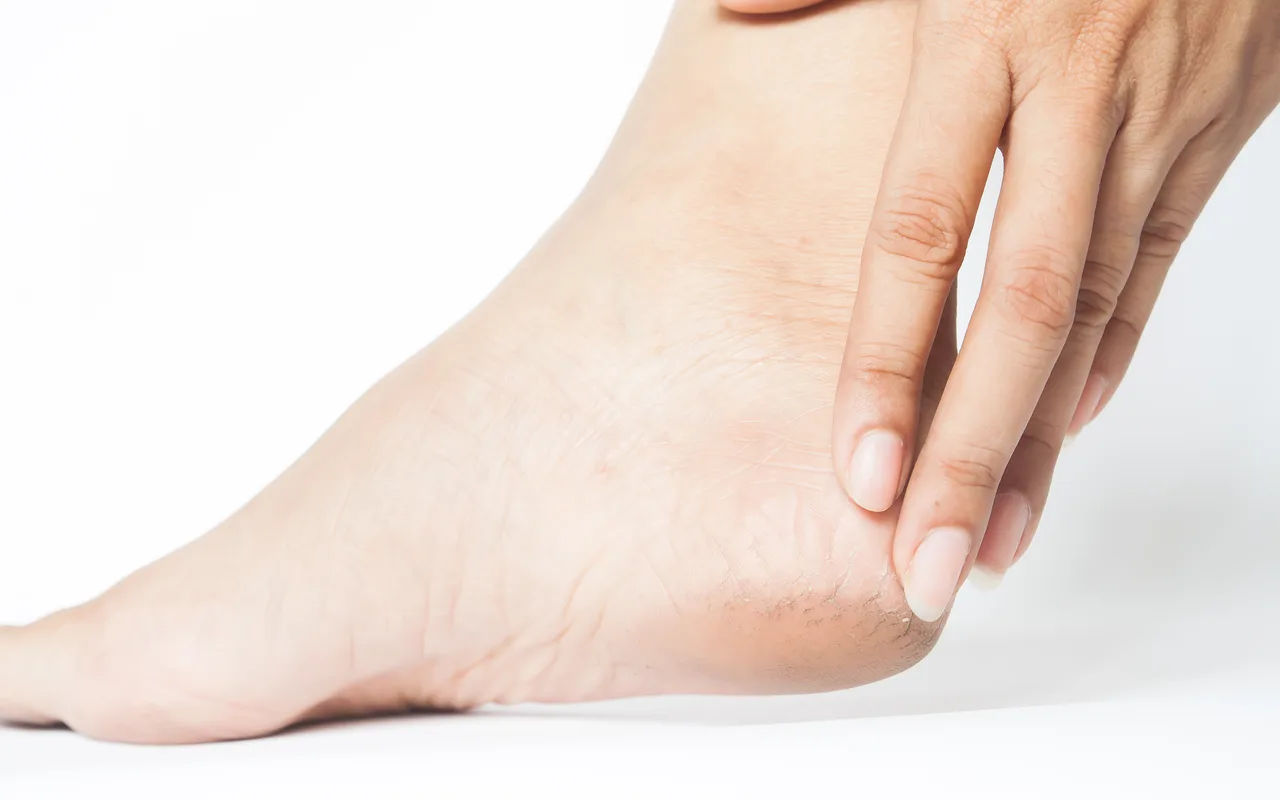
In an initial phase it may be necessary to reduce training volume, eliminate hills and avoid sprints. You can maintain lower-impact activities, such as cycling or swimming, if they do not cause significant pain. Offloading does not mean absolute rest, but adjusting the stimulus to what the tendon can tolerate.
The central part is usually strength work. Eccentric exercises, in which the muscle lengthens while controlling the movement, are a well-known option, but not the only one. Isometric contractions, loaded heel raises and slow, progressive exercises can also be used.
A typical programme may start with simple movements and light weight, progressing to standing exercises, heavier loads and finally running-specific actions. The number of repetitions, speed and range of motion must be adapted. If the affected area is the insertion into the heel, it may be necessary to initially limit deep heel drops.
A certain degree of discomfort during exercise may be acceptable in some cases, but it should not clearly increase over the following hours or the next day. This criterion is more useful than pursuing the immediate absence of any sensation.
Regenerative treatments, such as PRP, can be a complementary tool when tendinopathy persists or progress stalls. Treatment should be indicated after an assessment and combined with a loading programme. You can read about our regenerative treatments service.
In some cases other measures are also considered, such as temporary offloading, footwear modifications or custom insoles. Injections are not always suitable for tendons and must be considered very carefully. There is no single treatment that works for every runner.
To better understand problems related to sporting overload, you can read the article on runner’s foot injuries. If the pain is persistent or the diagnosis is unclear, a podiatric examination and, where appropriate, a gait study can provide useful information.
How to return to running without rushing?
The return must be progressive. First you should be able to walk normally, perform heel raises and complete strength exercises without a significant painful reaction. Then you can alternate short intervals of running and walking on flat ground.
Increase only one variable at a time: duration, frequency, speed or gradient. Avoid going from gentle running to intense workouts within a few days. Fast sessions and hills are especially demanding for the tendon and are best reintroduced once the strength base is solid.
Monitor how you feel during the activity and the next day. If morning stiffness or pain clearly increases, reduce the volume or temporarily return to the previous level. This response from your body is a practical guide for adjusting the load, but it does not replace an assessment when symptoms persist.
Footwear also deserves attention. There is no need to change it automatically or buy a specific model for everyone. Check whether it is very worn, whether the change from your previous footwear has been abrupt, or whether the training has been modified at the same time. Transitions should be made gradually.
Prevention: prepare the tendon for what you ask of it
The best prevention is a coherent progression. Avoid suddenly increasing mileage, intensity and gradient. Schedule recovery days, vary surfaces sensibly and do not try to make up for a lost week by cramming too much training into a few days.
Include strength work for the calves, foot, glutes and thigh muscles. There is no need for very long routines: consistency and proper technique matter more. Exercises should evolve as your capacity improves, because the tendon needs sufficient stimuli to adapt.
Warm up before demanding sessions with dynamic movements and start the run gently. Stretching can be part of your routine if you find it enjoyable, but it does not replace strength work or correct an overload on its own.
Finally, listen to the early signals: recurring morning stiffness, pain that appears earlier each time or discomfort that lasts beyond the training session. Acting early allows you to adjust the load before the problem becomes chronic.
At Serven Clinics we study each case taking into account sporting activity, the tendon’s condition, gait and the runner’s goals. If you have pain at the back of your ankle or want individualised guidance to get back to running, you can contact us. For general information on foot health, you can also consult this foot health guide and the information about reflexes and the function of the Achilles tendon.