Pain under the big toe may seem like a minor nuisance, but when it persists it can make it difficult to walk, run or even wear certain shoes. One possible cause is sesamoiditis, an irritation of the small sesamoid bones located under the first toe joint.
This injury is common in people who place heavy loads on the forefoot, such as runners, dancers, athletes or professionals who spend many hours standing. It can also appear due to a gait disorder, unsuitable footwear or a sudden increase in activity.
In this article I explain what sesamoiditis is, what symptoms it can cause and what treatment options can be considered. If the pain does not go away or interferes with your activity, a podiatric examination can help confirm its origin.
What are the sesamoids and why can they become inflamed?
The sesamoids are two small bones, similar to seeds, located under the big toe joint. They are embedded in the tendons and help transmit force when you walk, run or push off. They also protect the joint and facilitate movement of the first toe.
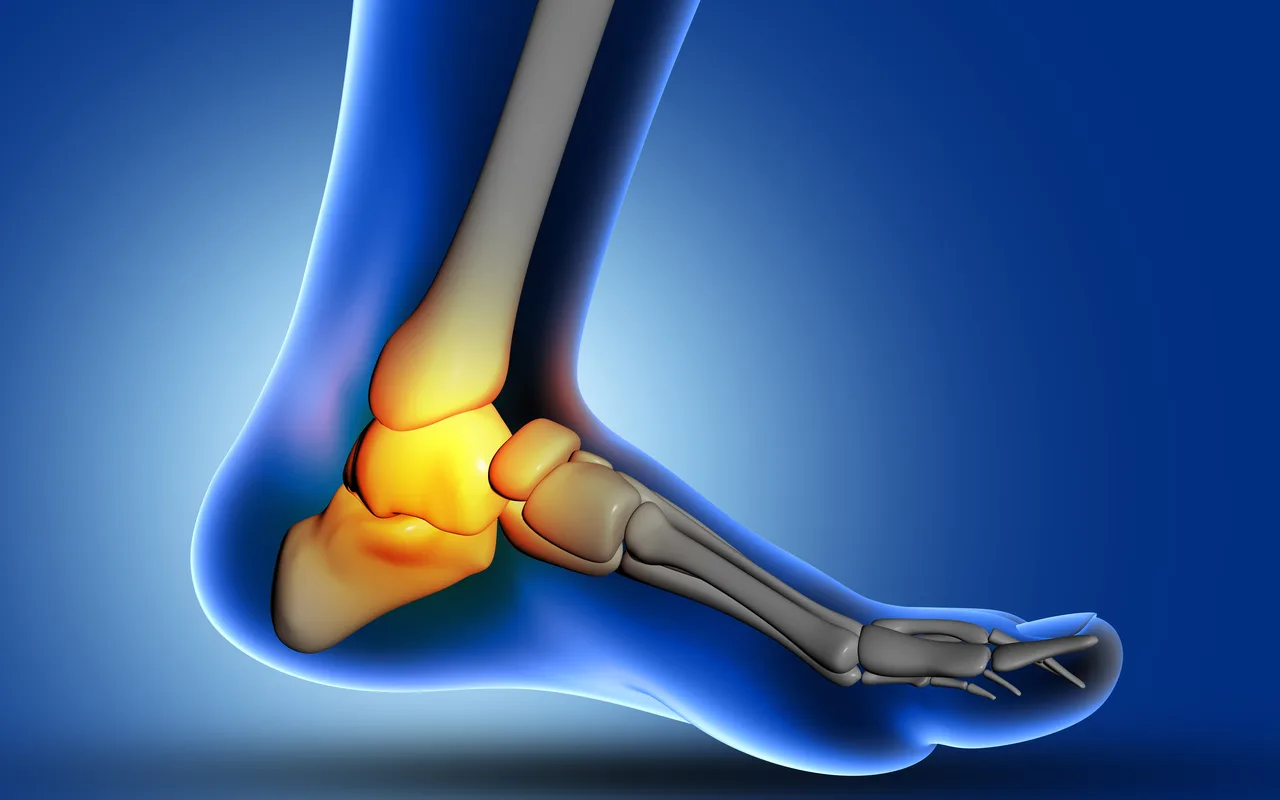
Because they take part in every step, they bear a considerable load. If this pressure increases or is repeated without enough time to adapt, the sesamoids and the surrounding tissues can become irritated. This inflammation is called sesamoiditis.
It is not always an isolated inflammation. The pain may be related to forefoot overload, restricted movement of the big toe, a deformity, an impact injury or, in some cases, a fissure or fracture of a sesamoid. That is why it is important not to assume a diagnosis based only on where it hurts.
Sesamoiditis is part of the group of problems that can cause pain in the front of the foot. To better understand this area, you can also read the article about metatarsalgia and why the forefoot hurts and the information about metatarsalgia.
Sesamoiditis in the foot: symptoms you may notice
The most common symptom is well-localised pain under the big toe, right in the weight-bearing area of the forefoot. Some people describe it as a stabbing sensation, a burning feeling or a deep discomfort that appears mainly when bearing weight.
At first, the pain may only appear during activity. Running, jumping, dancing, walking barefoot on hard surfaces or standing on tiptoe can be especially uncomfortable. If the irritation continues, the pain may also appear when walking normally or after activity.
Other possible symptoms include:
- Tenderness when you press on the sesamoid area.
- Mild swelling or a feeling of local warmth.
- Discomfort with thin-soled or heeled shoes.
- Difficulty bending or extending the big toe.
- Limping or a tendency to shift weight towards the outside of the foot.
- Pain after a training session, rehearsal or a long day on your feet.
The intensity does not always indicate severity. A significant injury can begin with subtle symptoms, while a superficial irritation can be very painful. If there is bruising, sudden swelling, inability to bear weight or pain after trauma, it is advisable to seek an assessment without delay.
It is also important to differentiate sesamoiditis from other causes of pain in the area, such as a corn, a joint capsule injury, big toe osteoarthritis or a stress fracture. A clinical examination and, if necessary, imaging tests can help guide the diagnosis.
Why is it common in runners and dancers?
Running and dancing involve repeated impacts and intensive use of the forefoot. In many dance disciplines, moreover, the body is held on the tips of the toes for extended periods. This concentrates a significant part of the load under the first toe.

In runners, the cause may be a rapid increase in mileage, changes in training, hills, intervals, different surfaces or too short a recovery period. Footwear, running technique, ankle mobility and the way pressures are distributed can also play a role.
You do not need to play sports to develop sesamoiditis. A very rigid foot, a high arch, a disorder of the first toe or a particular way of placing the foot can overload the sesamoids. Heeled shoes shift weight towards the forefoot and can contribute to discomfort if worn for many hours.
That is why simply changing running shoes is not enough without understanding what is causing the pressure. The goal is to identify what load the area is receiving and how it can be reduced without losing function. In athletes, sports podiatry can be useful to link the symptoms with the activity and equipment used.
Treatment of sesamoiditis: offload before pushing through
Treatment depends on the origin and the degree of irritation. In many cases, the first step is to temporarily reduce the activities that cause pain. It is not always necessary to stop all movement, but it is important to avoid running, jumping or dancing if these actions keep the discomfort going.
Offloading may include modifying training, using more stable footwear with a sole that protects the forefoot, or incorporating an element that prevents direct pressure on the sesamoids. Local cold, applied cautiously and for short periods, can relieve symptoms in some people. It should never be applied directly to the skin.
Custom insoles can play an important role when pressures are unevenly distributed. They can incorporate an offloading zone or a correction adapted to your anatomy, activity and footwear. You can consult the custom insoles service, which should always be understood as part of an overall plan and not as an automatic solution.
Before prescribing an insole, it is advisable to assess how you place your feet, how you walk and how you move your foot. The gait study can provide information about pressures and compensations during walking or during certain sports activities.
Anti-inflammatory medicines are not suitable for everyone and can have contraindications or interactions. If you are considering taking them, consult a healthcare professional, especially if you have other conditions or are undergoing treatment. In some selected cases, other options such as ultrasound-guided injections may be considered, but they are not necessary or appropriate for every patient.
Surgery is not usually the first step. It is only considered when there is a structural injury, a fracture that is not healing properly, a disorder that maintains the overload or persistent pain despite a well-planned conservative treatment. If necessary, a minimally invasive surgery option can be studied, always following an individualised indication.
For further general information on foot injuries and problems, you can consult this guide to foot injuries and disorders and these general foot health tips. These are informational resources and do not replace a clinical examination.
When does sesamoid pain need to be assessed?
Ask for an assessment if the pain lasts more than a few days, recurs every time you train or forces you to change the way you walk. It is also advisable to consult after a direct blow, a badly landed jump or a recent increase in physical activity.
A check-up is especially important if there is marked swelling, bruising, night pain, loss of mobility, tingling or inability to put weight on the foot. In these cases, problems other than simple irritation, such as a fracture, a joint injury or soft tissue involvement, need to be ruled out.
If you have diabetes, altered sensation or circulation problems, do not wait until the pain is severe to seek advice. Foot injuries can evolve differently and require more careful attention. You can find more information about diabetic foot care.
A complete assessment includes discussing your symptoms, examining the foot and, when indicated, additional tests. It can also be useful to review footwear, training load, big toe mobility and the way you place your foot.
Recovery usually requires patience. Returning too soon to the activity that triggered the pain can keep the irritation going. The return should be progressive, with a tolerable load and without ignoring the body’s signals. If you have pain under your big toe and want to find out its origin, you can contact Serven Clinics through the contact page to have your case assessed.