Morton’s neuroma is a frequent cause of forefoot pain. It can appear when you walk, run, or wear tight shoes, and is often described as an intense burning sensation or the feeling of having a stone inside your shoe. Although the name may sound concerning, it is not a malignant tumor, but rather a thickening of the tissue surrounding a nerve in the foot.
At Serven Clinics, Dr. Marc Serven evaluates each case individually. The goal is to understand what causes the irritation, relieve the pain, and choose the most reasonable treatment for you, without rushing directly into surgery. In this article, you will find information about the symptoms, diagnosis, and available options.
What exactly is Morton’s neuroma?
Morton’s neuroma is a thickening of the interdigital nerve, meaning the nerve that passes between the metatarsals and provides sensation to the toes. It usually affects the space between the third and fourth toes, although it can also appear in other spaces. Repeated pressure on this area can irritate the nerve and cause the surrounding tissue to thicken.
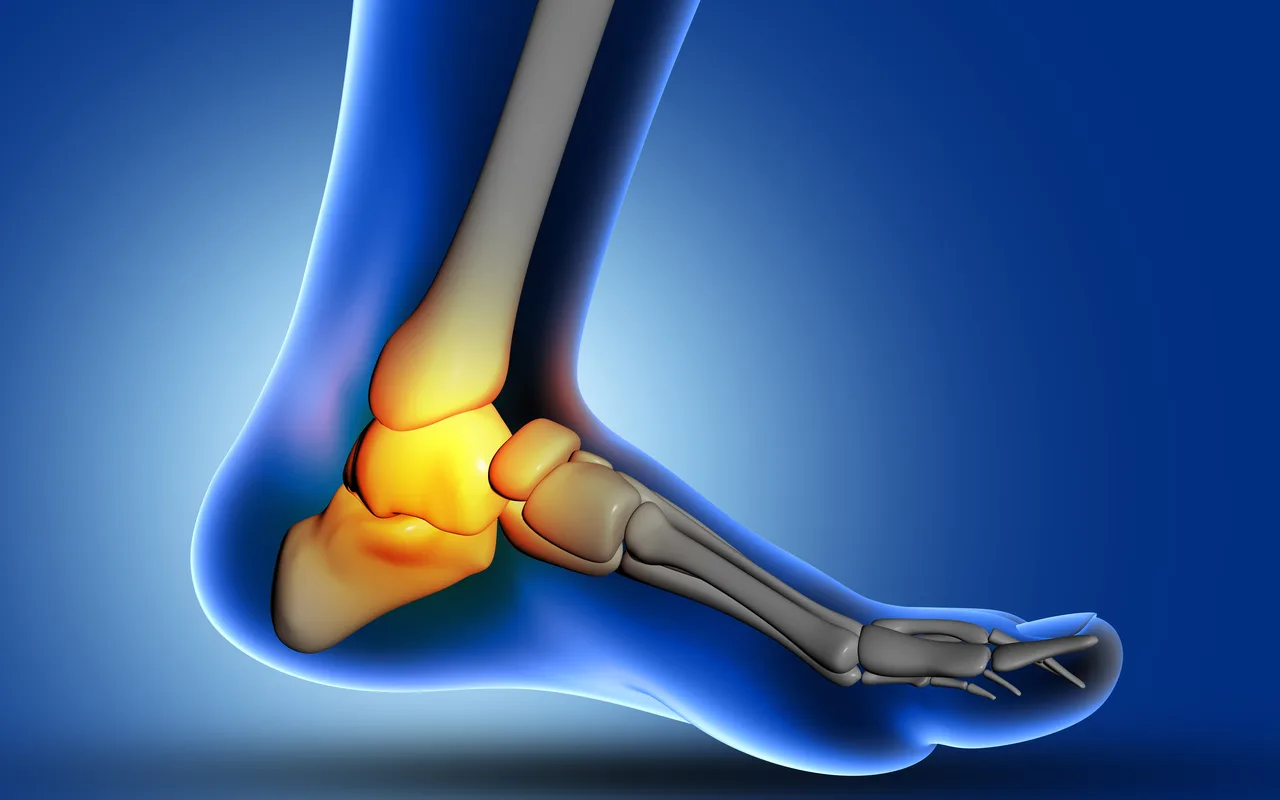
There is not always a single cause. Shoes with narrow tips or high heels can compress the forefoot. A specific way of walking, sports overload, toe deformities, or an unbalanced distribution of weight can also contribute. In some cases, the pain is related to metatarsalgia, but they are not exactly the same problem.
Metatarsalgia is a generalized or localized pain in the area of the metatarsal heads. A neuroma, on the other hand, specifically involves the irritation of an interdigital nerve. Because the symptoms can be similar, a proper examination is important before deciding on any treatment.
For more information on foot problems and their causes, you can consult this informative guide on foot injuries and disorders and the resource for information on foot conditions.
Symptoms of Morton’s neuroma: how can you recognize it?
The most typical symptom is a burning or sharp pain in the forefoot. It can be concentrated between two toes and radiate toward them. Some people describe it as an electric shock, a deep stabbing sensation, or a feeling of pressure that arises when putting weight on the foot.
It is also common to feel like you have a stone, a fold, or an object inside your shoe, even when there is nothing there. This sensation may improve when you take off your shoes, stop the activity, or massage the area. In other cases, the pain persists for a while after walking.
You may experience tingling, numbness, or strange sensitivity in the adjacent toes. Some people notice a click or a sensation of movement in the forefoot when it is compressed. Not all of these symptoms need to be present, and the intensity can vary greatly from day to day.
The discomfort often worsens with tight shoes, high heels, or soles that are too stiff. Running, jumping, and walking for long periods can also trigger it. If the pain is new, intense, accompanied by significant swelling, or appears after trauma, it should not be automatically assumed to be a neuroma.
For example, a stress fracture, joint inflammation, a tendon injury, or the compression of another nerve can produce similar pain. If you want to learn about other causes of pain in this area, you can read the article on why the forefoot hurts.
Ultrasound diagnosis guides the treatment
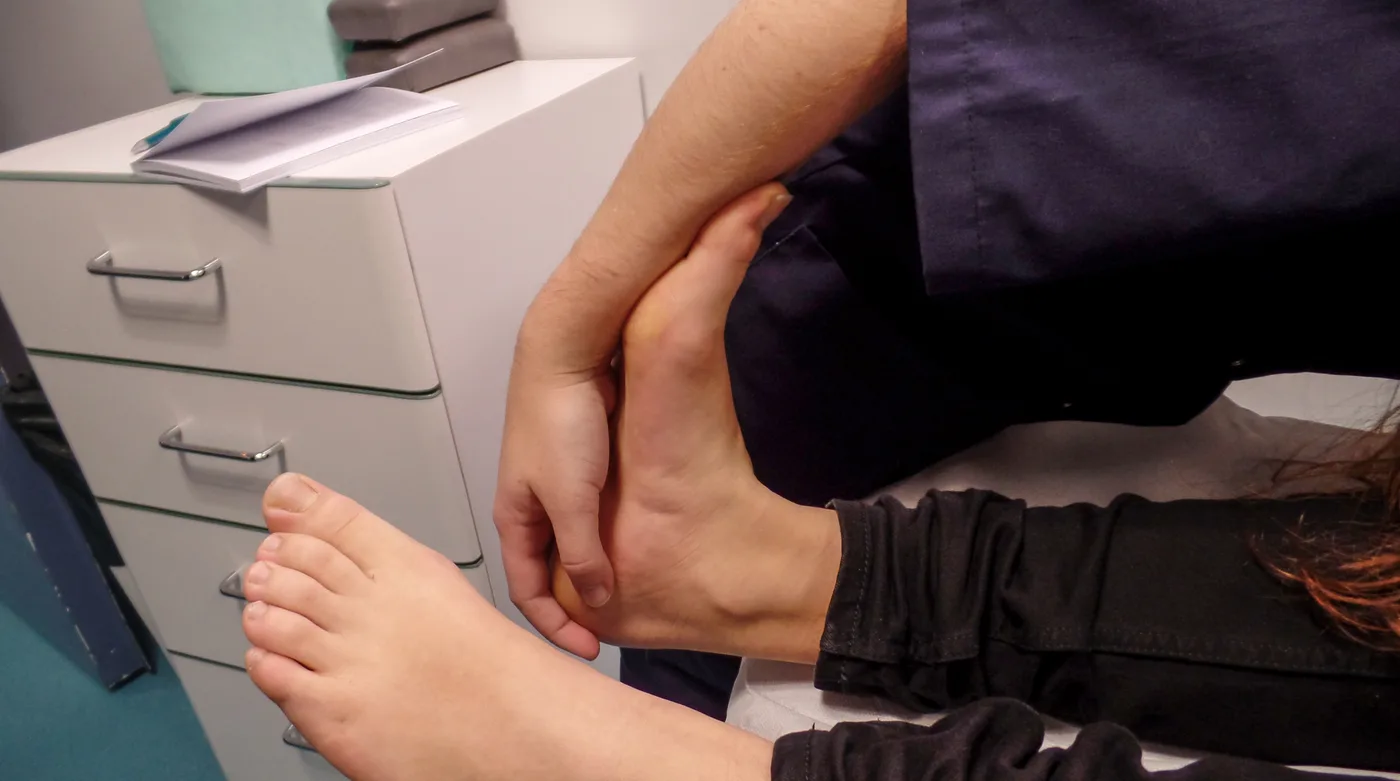
The diagnosis begins with a detailed clinical interview. We will ask you when the pain appears, which shoes trigger it, whether you play sports, and if you have a history of injuries or deformities. During the examination, the sensitivity, toe mobility, the shape of the forefoot, and the response to different maneuvers are evaluated.

Ultrasound is a very useful tool because it allows us to observe the interdigital nerve, identify its thickening, and check if the image matches the area of the symptoms. It also helps rule out other soft tissue abnormalities and can precisely guide an injection, if this option is appropriate.
However, an ultrasound image should not be interpreted in isolation. There are people with nerve thickening who have little discomfort or no pain at all. Therefore, the diagnosis must correlate the physical examination, the symptoms, and complementary tests.
In specific situations, X-rays or other imaging tests may be requested. These tests can be useful to rule out a fracture, osteoarthritis, a deformity, or another cause of pain. The goal is not to order tests routinely, but to obtain the necessary information to make a safe decision.
Conservative treatment: relieving pressure first
The initial treatment is usually conservative, especially if the symptoms are not very severe or have only recently started. The first step is often to wear wide footwear, with enough room for the toes and a sole that does not compress the forefoot. Temporarily reducing activities that cause pain can also help.
Orthotic insoles can modify the distribution of weight and decrease pressure on the neuroma area. Not all insoles serve the same purpose: they must be adapted to the shape of the foot, the way you walk, and your usual activities. You can consult the custom orthotics service if you need to evaluate this option.
In some cases, it is useful to conduct a gait analysis. This assessment can provide information on how you place your feet, how the foot moves, and which areas bear the most load. It does not replace a medical examination, but it can contribute to better treatment planning.
When the pain does not improve sufficiently, an injection may be considered. This involves administering medication to the affected area with the aim of reducing local inflammation and irritation. The product, the indication, and the number of injections must be decided individually, always weighing any potential adverse effects.
Ultrasound-guided injections allow for better control of the needle’s placement and administration of the treatment at the selected point. However, they do not guarantee a permanent resolution of the problem. If you are concerned about whether an injection might hurt, you can read what to expect from a foot injection.
When should Morton’s neuroma surgery be considered?
Surgery is usually reserved for cases where pain continues to limit daily life despite having tried a well-indicated conservative treatment. Before operating, it is necessary to confirm that the neuroma is the main cause of the symptoms and to evaluate whether there are other forefoot issues that also need to be addressed.
The surgery may involve releasing the compressed area or removing the thickened segment of the nerve, depending on the characteristics of the case and the surgeon’s criteria. The technique, the approach, and the type of anesthesia are explained prior to the procedure. As with any surgery, there are potential risks, such as infection, bleeding, altered sensitivity, persistent pain, or recurrence of symptoms.
After surgery, recovery varies depending on the technique used, the treated foot, and the person’s activity level. It is usually necessary to follow instructions regarding footwear, weight-bearing, wound care, and the gradual return to normal life. It is not prudent to establish universal timelines or promise a specific outcome.
In some patients, minimally invasive surgery may be considered, but not all procedures and not all neuromas are candidates for this approach. The decision depends on the anatomy, the diagnosis, and the experience of the surgical team.
A personalized assessment is the first step
Morton’s neuroma can be bothersome and limit your walking, sports, or the use of certain shoes. However, the symptoms do not always indicate the same problem, and an ultrasound only makes sense when interpreted alongside the clinical examination.
If you experience burning pain, tingling, or the sensation of a stone in your shoe, avoid self-medicating or continuing an activity that worsens the discomfort. A visit will allow you to confirm the origin of the pain and calmly discuss the alternatives, ranging from footwear and insoles to injections or surgery when indicated.
If you would like Dr. Marc Serven to evaluate your case, you can contact Serven Clinics through the contact page.