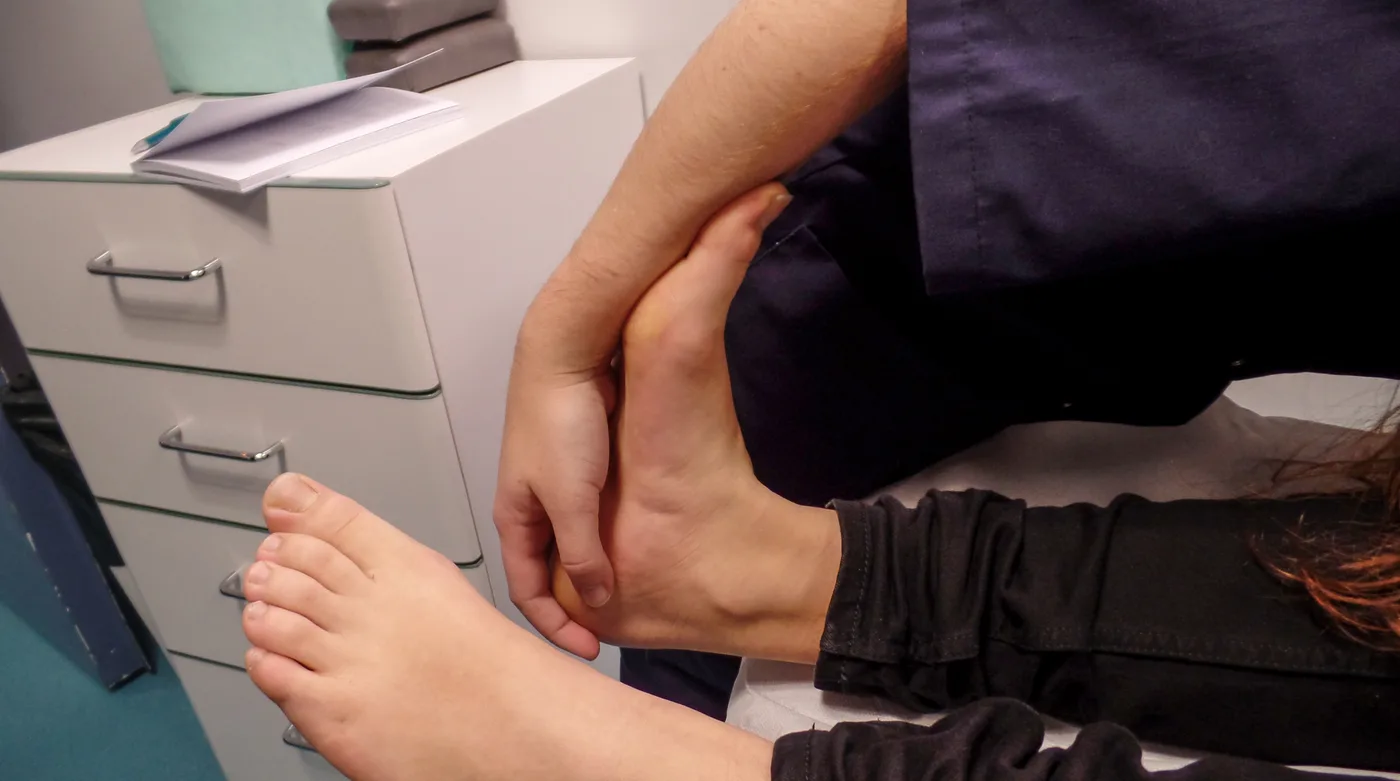
Metatarsalgia is a localized pain in the anterior part of the sole of the foot, right in the area that bears weight just before the toes. It is often described as a sensation of burning, pressure, or stabbing in the forefoot pad. It can appear gradually or after a change in activity, footwear, or load.
Although the term describes a symptom and not a single disease, identifying its origin is important. Overload, a bunion, a cavus foot, a toe deformity, or nerve irritation can cause similar discomfort. In this article, we explain what metatarsalgia is, what the most common causes are, and what options are considered for treating it.
What is metatarsalgia and where does it hurt?
The metatarsals are the long bones that connect the central part of the foot to the toes. When you walk, the load is distributed between the heel, the outer area, and the forefoot. If this distribution is altered, one or more metatarsal heads may receive more pressure than they should bear.
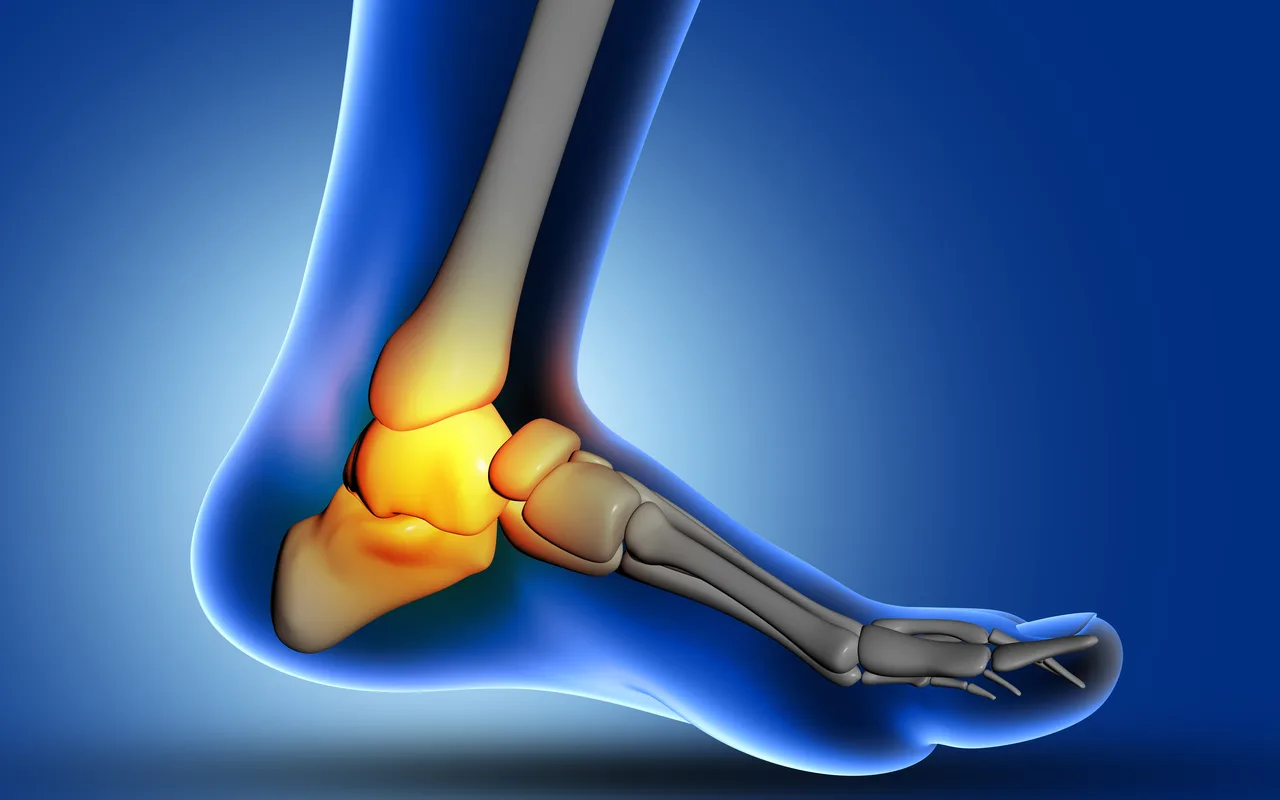
The pain is usually located under one or more metatarsals, although it can also radiate toward the toes. Some people feel like they are walking on a stone or have a callus that keeps coming back. In other cases, there is tingling or a burning sensation, symptoms that may suggest nerve irritation, such as Morton’s neuroma.
The diagnosis should not be based solely on the location of the pain. During the visit, the shape of the foot, joint mobility, gait, footwear, and skin condition are evaluated. If necessary, imaging tests can be ordered to rule out a stress fracture or other abnormalities.
For more general information on foot problems, you can consult this informative resource on foot injuries and disorders and the resource on common foot and ankle conditions.
The most common causes are related to load
Footwear is a frequent factor. Narrow shoes, with a compressed toe box, or with high heels can concentrate pressure on the forefoot and limit toe movement. Wearing a sole that is too thin or not flexible enough when walking for long periods on hard surfaces can also have an impact.
Overload is another major cause. Suddenly increasing running mileage, starting an intense activity, or standing for many hours can exceed the adaptation capacity of the tissues. Sports involving jumping and changes of direction can also increase pressure on the metatarsals.
The shape of the foot and certain deformities modify weight distribution. A cavus foot, a poorly functional first ray, a bunion, or claw toes can shift the load to other metatarsals. Stiffness in the big toe, such as hallux rigidus, can also force you to compensate during your stride.
Age, a previous injury, excess body weight, and certain joint alterations can contribute to the problem, but they do not explain all cases. If there is a painful callus, keep in mind that thickened skin is often a consequence of pressure, not necessarily the main cause.
What can help reduce the pain?
The first step is usually to temporarily reduce the activities that cause pain, without immobilizing the foot more than necessary. You can alternate activity with periods of rest and resume it progressively when symptoms allow. If the pain is severe or persistent, it is advisable to get an assessment before continuing training.

Footwear should have a wide toe box, a stable sole, and sufficient cushioning. Avoid shoes that squeeze the toes or concentrate weight on the front part. A very soft shoe is not always better: the most important thing is that it adapts to your foot and the activity you do.
Insoles can help redistribute pressure and offload the painful area. Not everyone needs the same design, and a standard insole does not always correct the root of the problem. At custom insoles, we study which supports may be suitable for your anatomy and activity.
A gait analysis can provide information on how you place your foot, how you step forward, and where the load is concentrated. This examination must be interpreted together with the clinical exam; on its own, it does not determine the diagnosis or guarantee that an insole is necessary.
Local offloading measures, such as protectors or well-placed pads, can also be useful. However, if used without assessing the cause, they can shift the pressure to another area. Therefore, it is preferable for a professional to indicate where and how to use them.
Metatarsalgia: which exercises can be done?
Exercises should be gentle and should not clearly increase the pain. Toe mobility, calf stretching, and progressive strengthening of the foot muscles can help improve stride control in some cases. Balance and ankle mobility can also be worked on if there is stiffness.
A common option is to mobilize the toes without forcing them, gently separating them and holding the position for a few seconds. You can also do calf stretches with the foot well supported and practice gentle contraction of the plantar arch, without excessively curling the toes.
It is not advisable to walk barefoot on hard surfaces, run, or jump if every impact reproduces the pain. It is also not wise to insist on an exercise just because it is common for metatarsalgia. If you have a deformity, nerve injury, or suspected fracture, the exercise must be adapted to the situation.
To better understand how to structure a foot recovery, you may be interested in this article about how long insoles last, especially if you already use them and feel they have stopped being comfortable or effective.
When is surgery considered?
Most cases are initially treated with conservative measures. Surgery is not indicated simply because the foot hurts, but rather when a specific structural cause is confirmed, the pain significantly limits you, and non-surgical options have not been sufficient after a reasonable time.
It may be considered, for example, in the face of a deformity that severely alters load distribution, a bone injury, or persistent nerve compression. The technique will depend on the problem: correcting a deformity is not the same as treating a joint or releasing a nerve.
In some selected cases, minimally invasive surgery may be considered, but the fact that it is a less invasive technique does not mean it is suitable for everyone or that recovery is immediate. It is necessary to discuss the alternatives, risks, limitations, and recovery time before making a decision.
Seek immediate consultation especially if the pain appears after trauma, if you cannot put weight on your foot, if there is a wound, loss of sensation, or significant swelling. If you have a diabetic foot, any wound or pressure area deserves an early check-up.
Metatarsalgia has diverse causes, and therefore, the most useful treatment is the one adapted to your foot, your footwear, and your activities. If the pain persists or limits you, you can request an assessment at Serven Clinics to study its origin and discuss the most appropriate options.