Just before having custom-made orthotics fitted, almost everyone asks the same practical question: “how long will they last?”. It is a logical question —they represent an investment— and the answer will help you get the most out of them. The short answer: they are not forever, but they are not single-use either. They usually last between one and three years, and where you fall within this range depends largely on you.
This guidance is general. Not all orthotics have the same design, nor does everyone use them in the same way. An orthotic for intense sporting activity may experience different wear compared to one designed for walking or for standing for many hours at work. Therefore, rather than looking for an exact expiry date, it is advisable to monitor their condition and periodically check that they still fulfil the purpose for which they were made.
What their lifespan depends on
Two people with the same orthotics may need to replace them at very different times. These are the most significant factors.

Usage is the first: wearing them every day, from morning to night, is not the same as only wearing them for weekend runs. The more hours and kilometres, the faster they wear out. The type of activity also has an influence: walking on even terrain does not demand the same as running, playing sports with sudden changes of direction, or working many hours on your feet.
Weight and activity also play a part: a person who engages in a lot of high-impact activity subjects the material to greater demands. And footwear: an orthotic that is constantly swapped from shoe to shoe, or squeezed into footwear that is not suitable, suffers more.
Your gait pattern can also concentrate more load on specific areas. If the same point is constantly compressed, the material may deform prematurely, even if the rest of the orthotic appears to be in good condition. This can happen, for example, when there is a marked difference between the two feet or when an orthotic provides a specific correction.
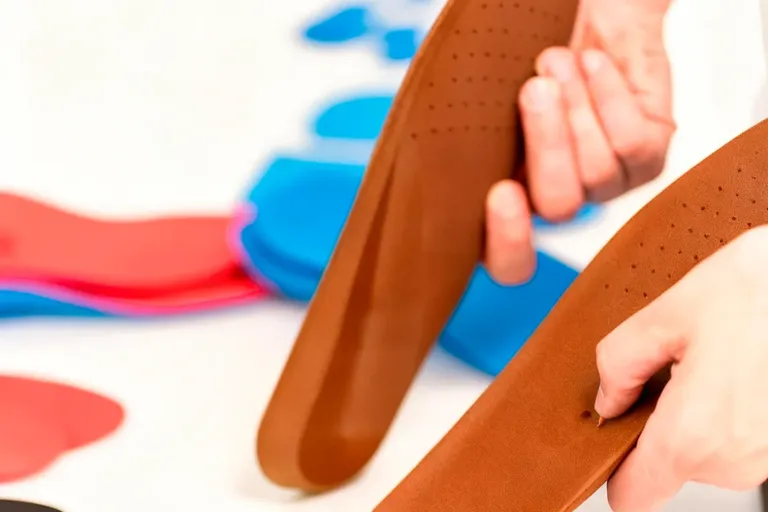
Finally, the material. Custom-made orthotics are manufactured with materials chosen for your specific pathology; some are firmer and longer-lasting, whilst others are more cushioned and naturally have a shorter lifespan. The choice is made based on what your foot needs, not on what lasts the longest.
The top cover that is in contact with the foot also wears out. Sweat, humidity, and friction can deteriorate it, causing it to lose grip or develop creases. Sometimes this covering can be replaced without needing to change the entire orthotic; this depends on its condition and the original design.
The key is not the date, but the review
Focusing only on “how many years they last” makes you lose sight of what truly matters: your foot changes. Your gait, your weight, and even the shape of your foot alter over time, and an orthotic that was perfect two years ago may have stopped doing its job even if it appears intact.
These changes are not always sudden. You may notice that you tolerate standing less well, that you tire sooner when walking, or that shoes that used to be comfortable are now pressing on your feet. Your routine may also change: taking up running, increasing your walking, changing jobs, or spending more hours in a different type of footwear.
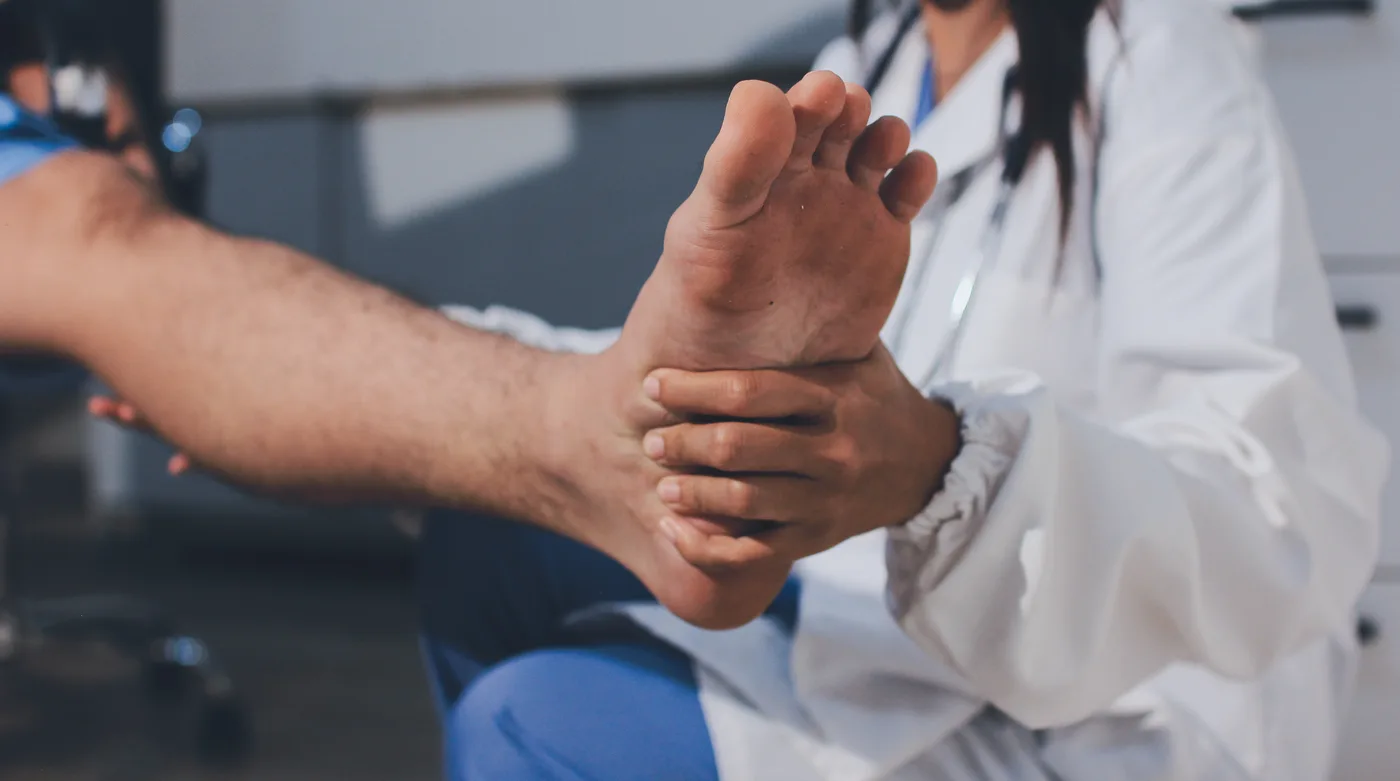
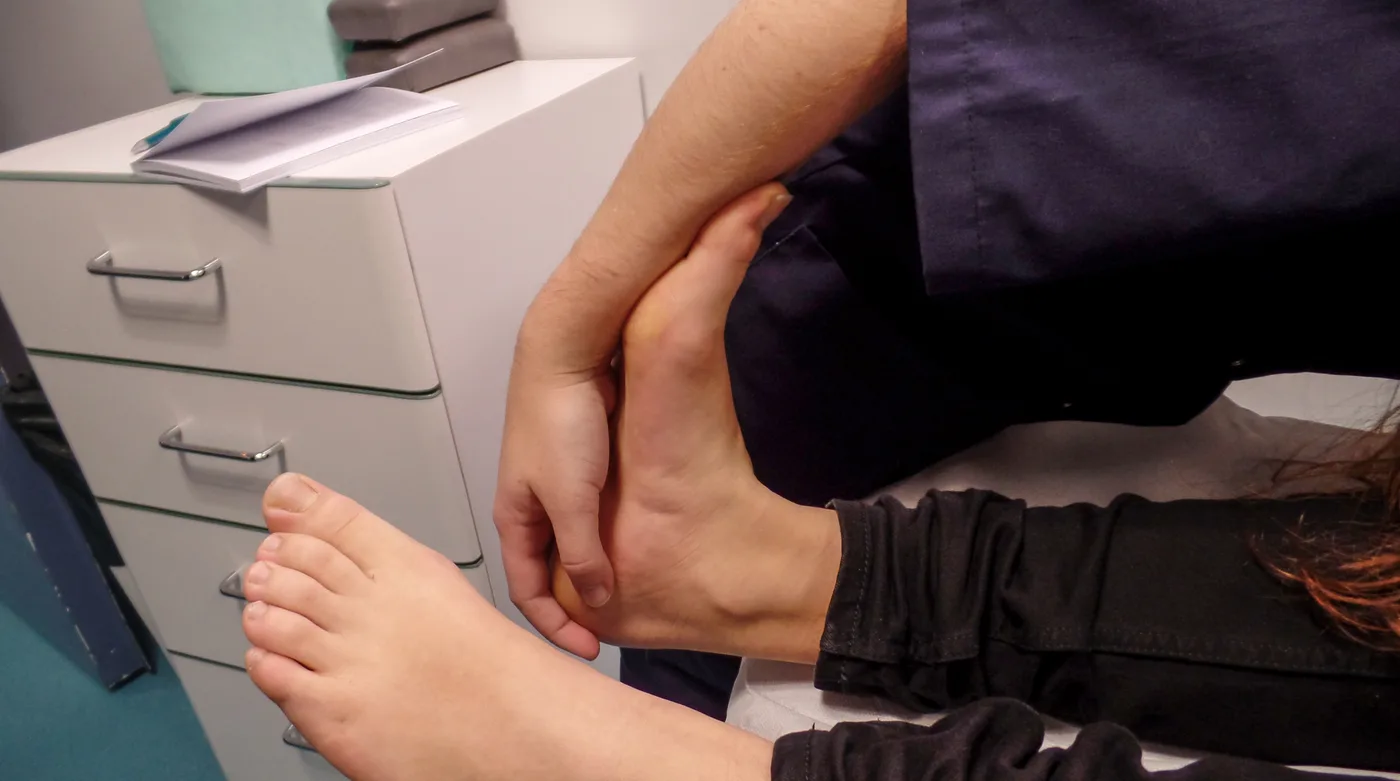
This is why a useful rule of thumb is an annual review, even when they feel fine. During this visit, we check the condition of the material, whether the support is still where it should be, and if it is still correcting the issue that prompted their use. Often, a small adjustment is all that is needed; other times, they need replacing. And if your case originated from a gait analysis, we take the opportunity to compare it with the baseline.
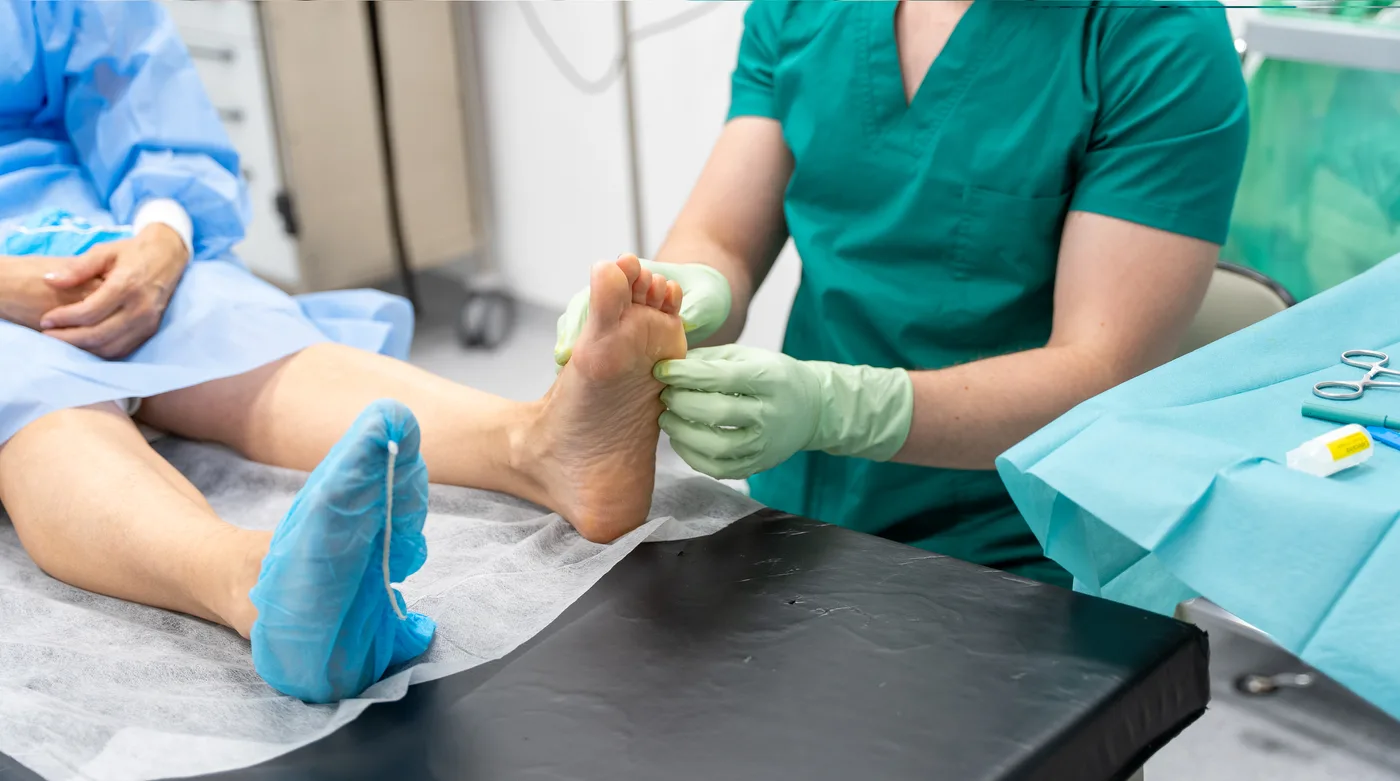
A review does not necessarily mean having new ones manufactured. We first assess whether the orthotic can be adapted, repaired, or simply continue to be used as normal. This check is particularly useful in children and adolescents, as the foot and the rest of the lower limb are still developing, or after an injury, surgery, or a significant change in activity.
If you have diabetes, reduced sensation in your feet, or circulation problems, do not wait for pain to appear before seeking advice. In these cases, it is more important to regularly check the condition of the skin, pressure points, and the fit of your footwear.
Signs it is time to replace them
You do not need to be an expert to realise that orthotics have had their day. Look out for these signs: the arch support has flattened or become deformed, the material is compressed or cracked, previous symptoms have returned, or there has been a significant change in your weight, activity, or footwear.

It is also advisable to have them checked if they slip inside the shoe, if they move from their usual position, or if you notice you have to alter the way you walk to find a comfortable posture. Deep marks, upturned edges, and very uneven areas of wear are clues that warrant attention.
Any of these signs warrant a look. Continuing with a worn orthotic is not harmless: it stops protecting you and, at times, can end up causing more discomfort than relief.
Do not attempt to adjust it yourself by sticking on parts, cutting it, or adding materials. A small change in the height or support can alter the distribution of loads and affect comfort. If the problem is new, severe, or accompanied by swelling, numbness, a wound, or pain at rest, request a professional assessment rather than waiting for it to go away.
How to extend their lifespan
There are simple steps that make a difference. Wear them in footwear that accommodates them well (neither too tight nor lacking support), air them out if you sweat heavily, and avoid leaving them in the sun or inside a car in summer, as extreme heat degrades the materials. And do not share them between very different shoes if you can avoid it: each shoe distributes load differently.
When changing your shoes, check that the orthotic lies flat, without creasing and without pressing on your toes. In some models, it is advisable to remove the shoe’s original insole; in others, it is not. There is no universal rule: what matters is that the internal volume is sufficient and that the heel is well secured.
To clean them, follow the manufacturer’s or the clinic’s instructions. Generally, it is best to remove dirt with a slightly damp cloth and let them air dry at room temperature. The washing machine, tumble dryer, radiators, and harsh chemicals can deform them or deteriorate the covering.
If you have more than one pair of shoes for regular use, it may be practical to have an adapted orthotic for each, especially if they have different shapes or heel heights. This prevents forcing them out of place every time you swap them and maintains a more stable position. When buying new footwear, take your orthotics to the shop to check they fit correctly.
Remember also that the orthotic is one part of the treatment, not the whole. For many conditions, combining it with prescribed exercises and good footwear is what maintains long-term results. The exercises must be appropriate for your case and progressive; doing more of them or at a higher intensity is not always better. Rest, recovery, and adapting your activity can also be important.
If you want to learn more about how foot mechanics are assessed, the American Podiatric Medical Association maintains informative content on orthotic devices, and the American College of Foot and Ankle Surgeons also explains them.
In short: expect a lifespan of one to three years, have them checked once a year, and replace them when either your foot or the material demands it. If yours are already old or your symptoms have returned, bring them in for a check-up and we will see if they are still doing their job.
The best orthotic is not necessarily the newest, but the one that continues to adapt to your foot, your footwear, and your activity. A review serves precisely to make this decision based on sound criteria: keeping it, adjusting it, or replacing it only when it is genuinely necessary.