Diabetes can affect the nerves and circulation in the feet. When this happens, a small wound, a callus, or a blister can progress without you noticing in time. Diabetic foot does not always appear suddenly: it often develops from repetitive pressure or a seemingly insignificant injury.
The good news is that many complications can be prevented with observation, simple habits, and podiatric check-ups. In this article, I explain how it starts, which signs you should watch for, and how to care for your feet at home. This information is for guidance and does not replace an individual medical or podiatric assessment.
How does diabetic foot begin?
Diabetic foot can be related to two main alterations. On one hand, diabetic neuropathy can reduce sensitivity to pain, heat, or pressure. On the other hand, poor circulation can make it difficult for tissues to recover when there is a wound.

This means that a rubbing shoe, a sock seam, an improperly cut nail, or an area of overload can injure the skin. If you do not feel the discomfort, you may continue walking with the same pressure, and the injury may worsen.
Calluses are also important. They are not just an aesthetic problem: they often indicate sustained pressure or friction. Over time, the skin can harden, crack, or become injured beneath the surface. You can find more information about calluses and corns, especially if they appear repeatedly.
Other factors that can increase risk include toe deformities, poor foot alignment, wearing inappropriate footwear, a history of ulcers, and insufficient glucose control. Therefore, there is no single cause or the same progression for everyone.
For broader general information on this complication, you can also consult the MedlinePlus guide on diabetic foot. However, if you have questions about a specific injury, an in-person assessment is the best way to decide what needs to be done.
Early signs you should not ignore
Check both feet every day, including the sole and the spaces between the toes. If you have trouble seeing, use a mirror or ask a trusted person for help. Look for any changes compared to the previous day.
Early signs can be subtle:
- tingling, burning, or a feeling of numbness;
- loss of sensation or difficulty feeling heat and pressure;
- very dry skin, cracks, or peeling;
- redness, change in color, swelling, or increased temperature in an area;
- blisters, scrapes, cuts, bruises, or wounds;
- calluses, fissures, or areas that bear more pressure;
- thickened, broken, or ingrown nails;
- discharge, bad odor, or a wound that does not close.
Do not wait until you have pain to seek advice. The decrease in sensation can make a significant injury practically painless. You should also seek care if the foot becomes very red, hot, or swollen, if dark coloring appears, if there is pus, or if you have a fever and malaise.
An open wound in a person with diabetes requires professional assessment, even if it is small. Do not simply cover it and continue walking as if nothing happened. Time, pressure, and moisture can influence its progression.
To learn about other frequent foot injuries and disorders, you can consult the MedlinePlus information on foot injuries and disorders.
Diabetic foot care at home, step by step
The daily routine should be simple and consistent. Wash your feet with warm water and a mild soap. Avoid very hot water, because if you have reduced sensation, you could burn yourself without realizing. Before getting into the bathtub, check the temperature with your hand or with an area of your body that has normal sensation.
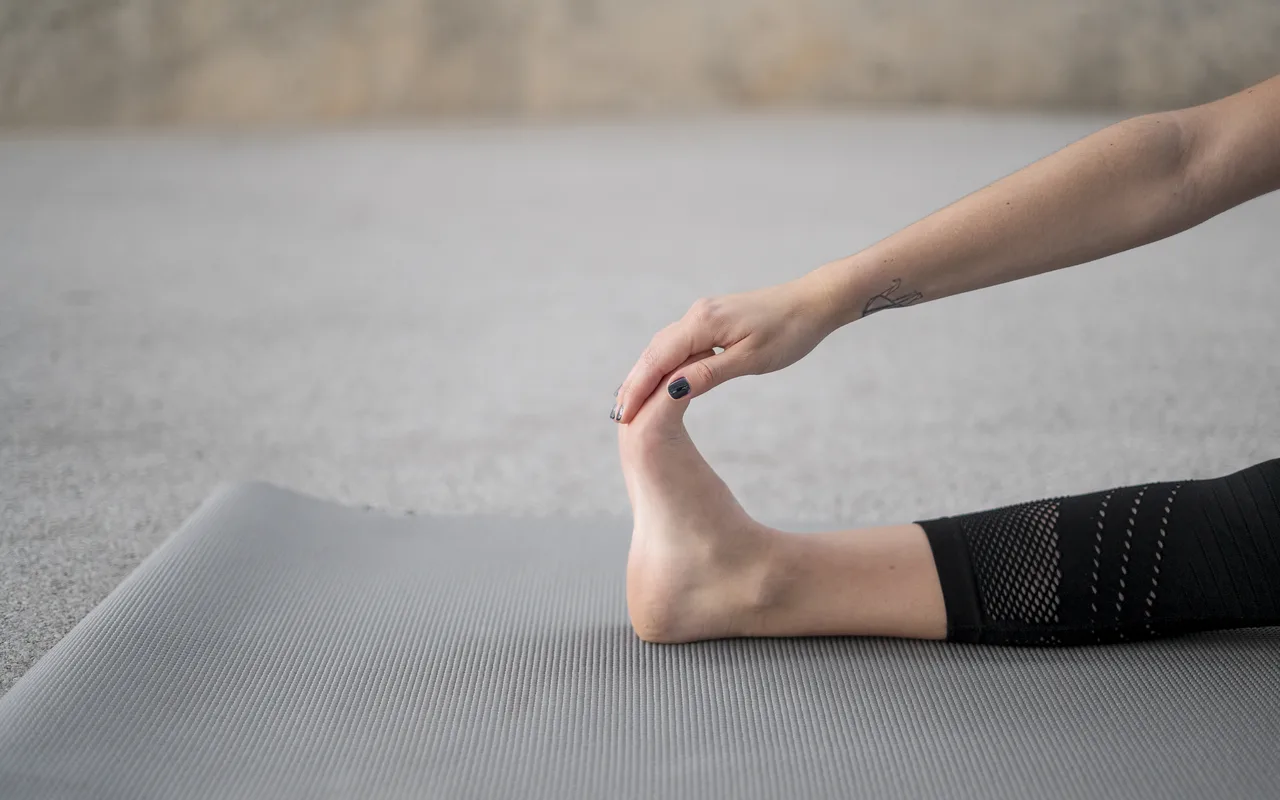
After washing, dry your feet carefully, especially between the toes. Retained moisture can promote irritations and skin problems. If you have dryness, apply a moisturizing cream to the sole and the top of the foot, but not between the toes, unless instructed by a professional.
Observe the skin and nails every day. Cut your nails straight across, without digging into the corners, and filing them gently can help avoid rubbing edges. If you have poor vision, reduced sensation, very thick nails, or have injured yourself previously, it is safer to have a professional take care of them.
Do not walk barefoot, neither at home nor at the beach or pool. Wear comfortable, closed footwear with enough room for your toes. Before putting on your shoes, check that there are no stones, creases, objects, or seams that could press on your foot. Socks should be breathable and should not be tight.
Change your footwear if you notice an area of rubbing or pressure. Do not try to adapt to shoes that hurt in the hope that they will “eventually give.” If you have deformities or overloads, a gait analysis can help understand how pressures are distributed and guide the most appropriate measures.
Also avoid aggressive remedies: callus removers, acidic products, pumice stones, very hot foot baths, and cutting instruments. In particular, a home scalpel is dangerous for people with diabetes. It can cause a deep wound, infection, or a complication that is not detected immediately.
Why does a podiatric check-up help prevent ulcers?
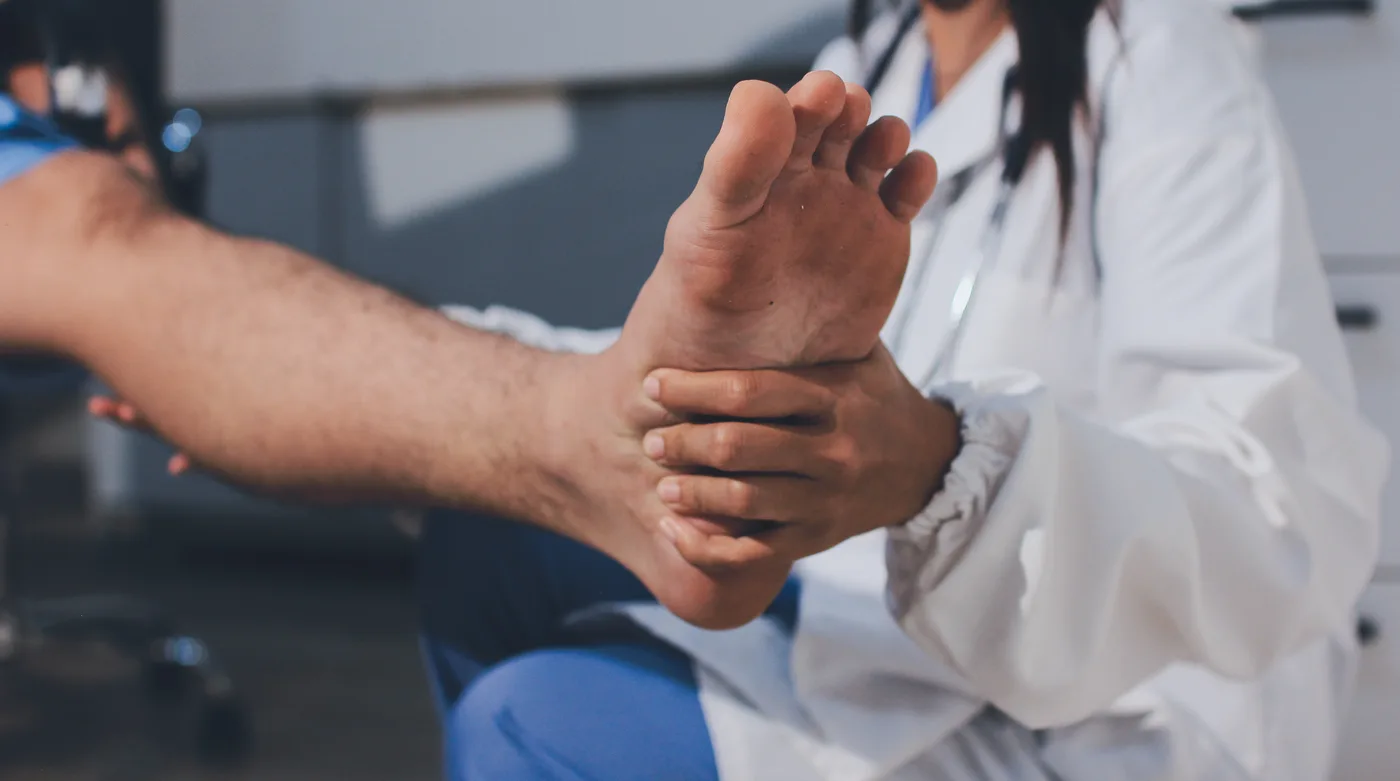
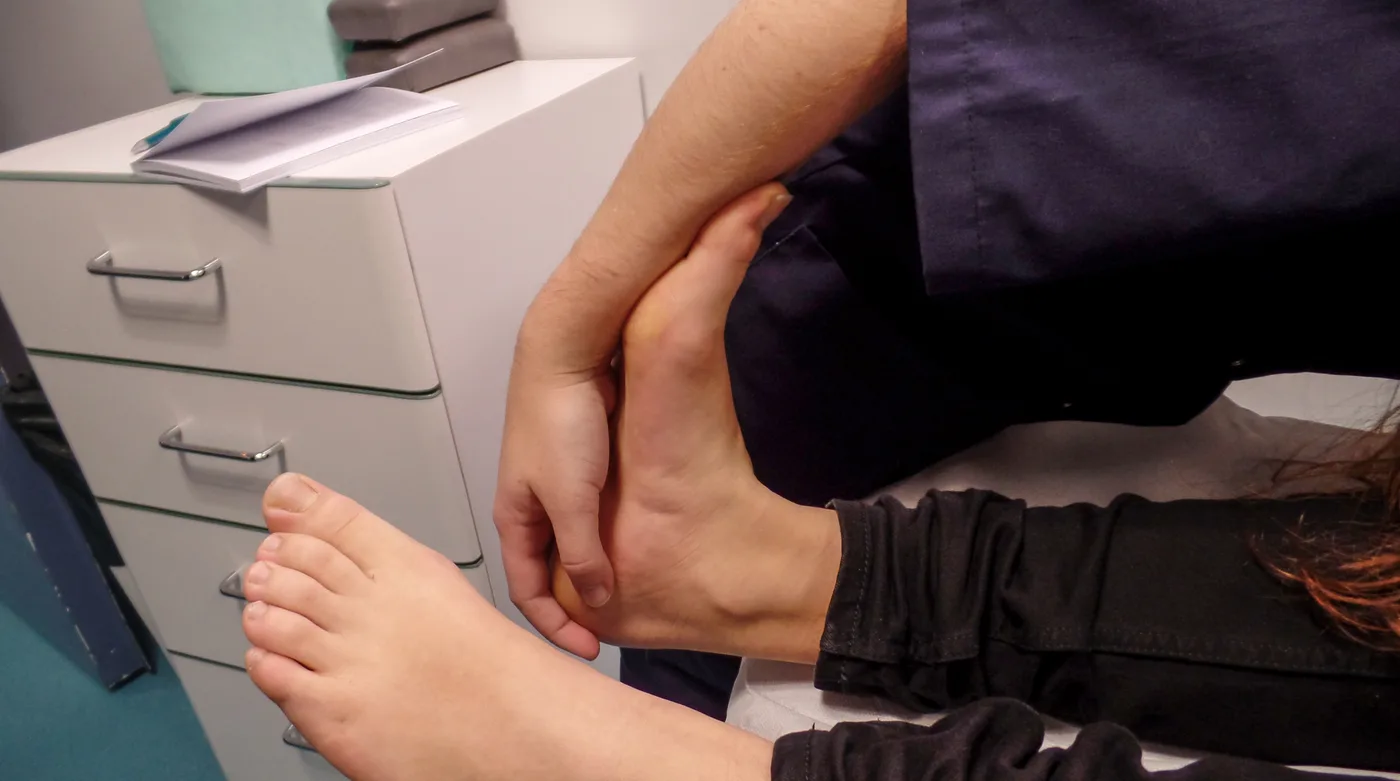
Periodic check-ups are not just for treating discomfort once it has appeared. They allow for the assessment of sensation, skin, nails, deformities, footwear, and pressure points. They can also detect changes that you may not notice yet.
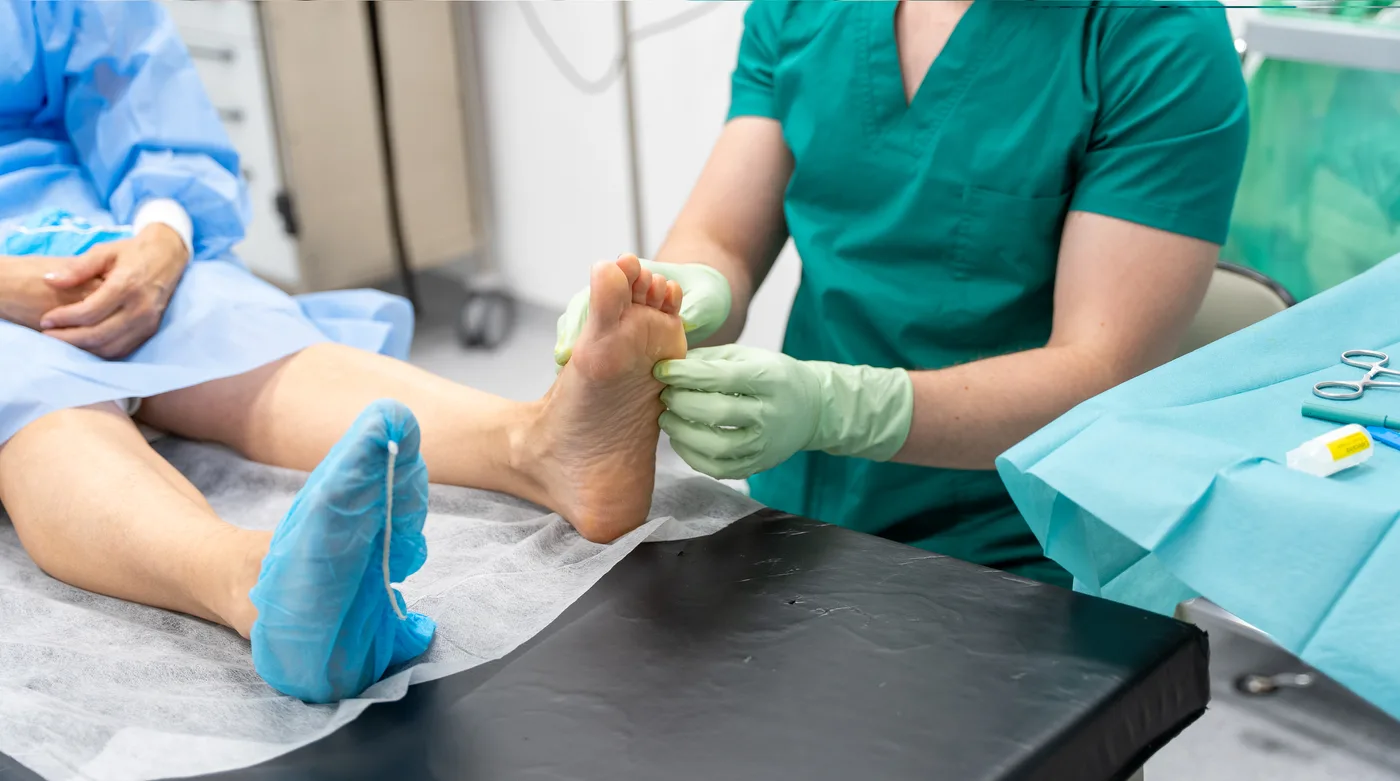
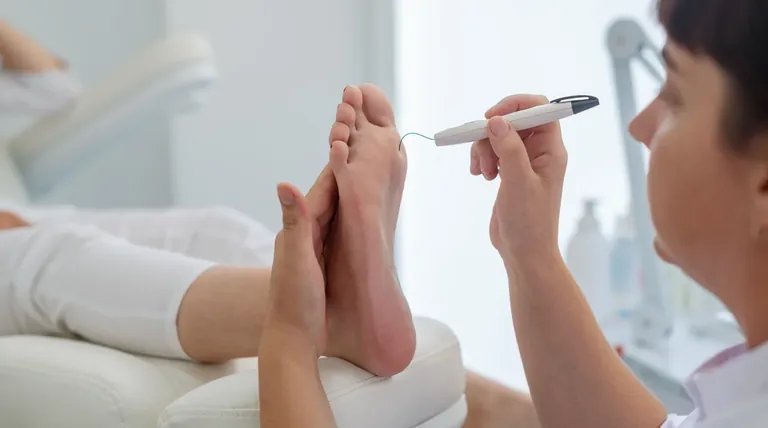
The podiatrist can remove a callus in a controlled manner, examine a problematic nail, and give you guidelines tailored to your risk level. If necessary, they can recommend custom orthotics, footwear modifications, or other measures to reduce pressure on a specific area.
This prevention is especially important if you have already had an ulcer, an amputation, an infection, loss of sensation, or circulatory problems. Also, if you have a deformity that causes your foot to always bear weight on the same spot.
A check-up does not replace the follow-up provided by your doctor or nursing team. Controlling diabetes, blood pressure, cholesterol, and other general factors is part of foot protection. Podiatry, in this context, complements medical care and helps address local pressures and injuries.
Not all cases require the same treatment. Some people may benefit from monitoring calluses and footwear; others need to assess a deformity, an infection, or a wound more urgently. Avoid making decisions based solely on general internet information.
When should you request a check-up?
Request an appointment if you detect a wound, a blister, a painful callus, or an area that changes color. Also, if you notice numbness, burning, loss of sensation, or difficulty walking in your usual footwear.
If you have an injury with progressive redness, swelling, heat, discharge, bad odor, black coloring, or fever, seek urgent medical attention. Do not wait for it to disappear on its own or try to treat it with home remedies.
Prevention starts with a daily check, but it is maintained with a personalized plan. If you want to check the condition of your feet or assess a callus, a deformity, or pressure points, you can contact Serven Clinics to schedule an appointment.