You put your shoes on as usual and your big toe reminds you it is there: the bunion area has become red, swollen, and hurts with any pressure. It is a flare-up, and although it is bothersome, in most cases it settles down with a few simple things done properly at home. Let us look at them — and learn when a flare-up requires something more.
Why it suddenly becomes inflamed
A bunion (hallux valgus) is a deviation of the big toe that causes the bone to protrude inwards. This prominence rubs against the shoe, and when friction or pressure builds up — a day in tight footwear, many hours standing, a long walk — the area becomes irritated and inflamed. It does not mean the bunion has “suddenly worsened”: it means you have overworked it.
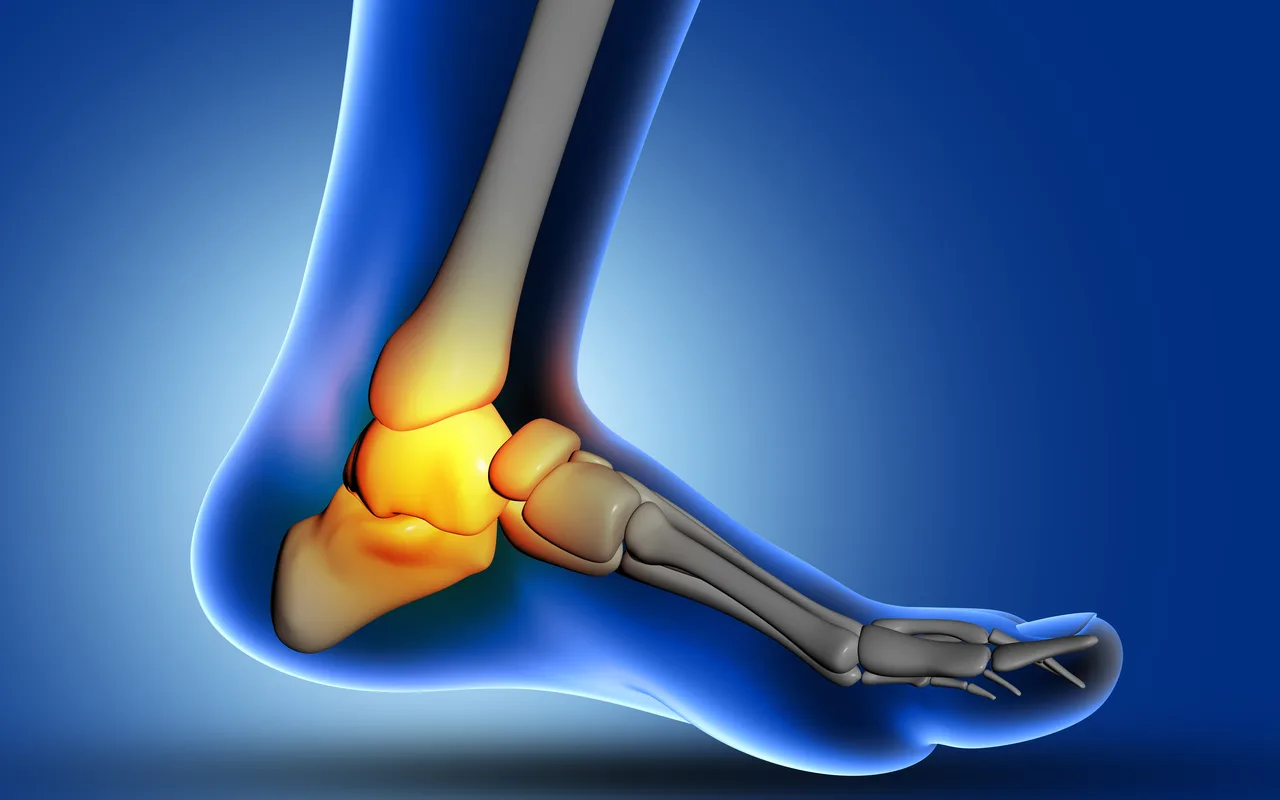
As well as the skin, the bursa can also become irritated; this is a small structure that helps reduce friction over the bony prominence. When it becomes inflamed, the area may appear larger than usual and can cause discomfort even with a sock or the bedsheet. The pain does not always come solely from the bone: the skin, the bursa, the joint, and the surrounding tissues may also be sensitised.
Understanding this is half the battle, because the answer is as simple as relieving the pressure and letting the inflammation subside. During these days, try to identify what has triggered the flare-up. It might be a specific shoe, but also a change in activity, a trip out, a particularly long day, or having walked on a different surface from usual.
What to do during these days (and what not to do)
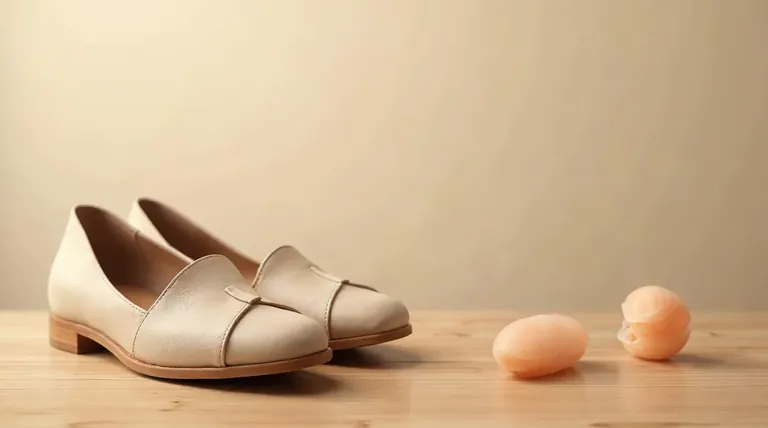
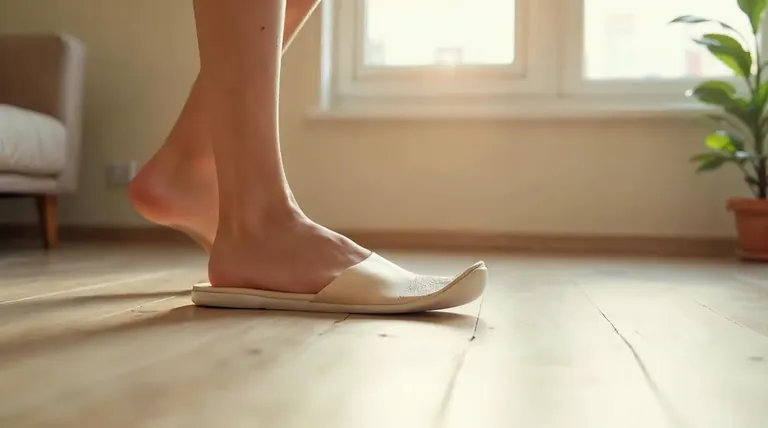
Three measures resolve most mild flare-ups. Offload the area: wide, soft, seamless footwear that does not press on the bunion; forget about high heels and tight shoes for a few days. The front of the shoe must allow you to move your toes without them being compressed. If you only have wide but hard shoes, or a pair with a seam right over the prominence, they may also maintain the irritation.
Local cold: 10-15 minutes several times a day calms the pain and reduces inflammation. Wrap the ice pack or ice in a cloth; do not apply it directly to the skin or fall asleep on it. If you have reduced sensation in your feet, circulatory problems, or any skin lesion, it is best to consult a professional before using local cold.
And a pause from the activity that triggered it, with no need to stay completely still: walking normally is fine. Absolute rest is not necessary, but you should temporarily avoid running, jumping, long uphill walks, or any activity that increases the pain. Once you can walk comfortably and the area is less sensitive, resume your activity progressively.
A protective pad or silicone device can reduce contact with the shoe, provided it does not make the foot feel even more cramped. If you notice more pressure, heat, tingling, or pain when you put it on, remove it. Elevating your foot slightly when resting can also help, especially if you notice swelling at the end of the day.
An occasional anti-inflammatory can help you get over the worst of it, but it is not a long-term solution; if you have to take medication frequently, that sends a different message. Before taking any, check that it is suitable for you: some are not recommended if you have stomach, kidney, or heart problems, take anticoagulants, or are pregnant. Do not combine medications on your own and, if in doubt, ask a healthcare professional.
And avoid the classic mistake of “squeezing into the shoe to grin and bear it”: pressure is exactly what triggered the flare-up. Do not try to force the big toe with your hands or manipulate the prominence intensely. Gentle stretches may be comforting once the acute pain has subsided, but during a flare-up there is no need to fight the deviation.
Remedies sold as a solution
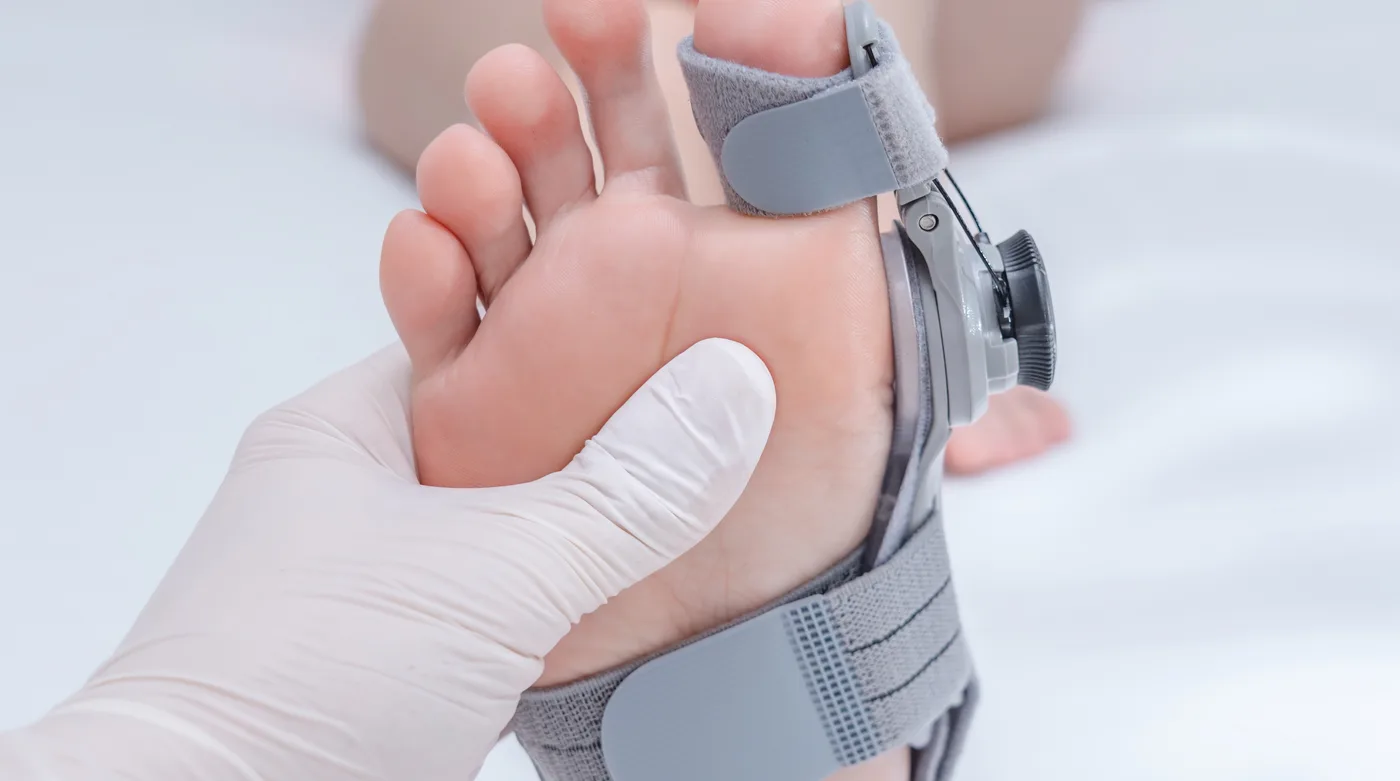
Silicone toe separators, night splints, “corrective” bands… they can provide relief during a flare-up by distributing pressure, and as such they are fine. What they do not do is correct the deviation: a bunion does not “go back into place” with a bandage, no matter what the advert promises. If they help you feel more comfortable, go ahead; but keep your expectations clear.
The same applies to orthotics. In some feet, they can help distribute loads better or control certain movements, especially if there are other associated problems. But there is no universal orthotic that will make a bunion disappear. It must make sense for your gait and for the symptoms you present with, not just for the shape of the prominence.
During a flare-up, try any device for a short period and check the skin afterwards. If blisters appear, an area becomes redder, numb, or more painful, stop using it. A product that separates the toes but increases volume inside the shoe can end up worsening the friction.
Footwear is often the most useful long-term measure. Look for a toe box that is wide and high enough, a flexible material, and a sole that allows you to walk with stability. Do not be guided solely by the size: two shoes of the same size can have a very different shape. Try them on at the end of the day, when the foot is usually more swollen, and walk around for a few minutes before deciding.
If you want to delve deeper into what does and does not work without going through surgery, it is all explained in treure un galindó sense cirurgia.
When a flare-up calls for assessment
A bunion is not an emergency, but there are signs that warrant putting a plan in place rather than just putting out fires. If the flare-ups keep recurring, if the pain limits your daily life, if the area is very red and hot, or if you are finding it increasingly difficult to find shoes that do not hurt, an assessment is worthwhile.
It is also advisable to consult a professional if the pain appears without a clear trigger, if it does not improve despite removing the pressure, or if the inflammation markedly affects the entire joint. A gout attack, a skin or bursa infection, a hidden wound, or an injury after a knock can initially look like a bunion flare-up, but they are not treated in exactly the same way.
Seek more urgent attention if you have a fever, general malaise, a wound that is oozing, red lines spreading across the foot, a significant change in colour, or if you cannot bear weight on your foot. If you have diabetes, circulatory problems, neuropathy, or a weakened immune system, do not wait for the problem to resolve on its own: a small friction lesion may need a review.
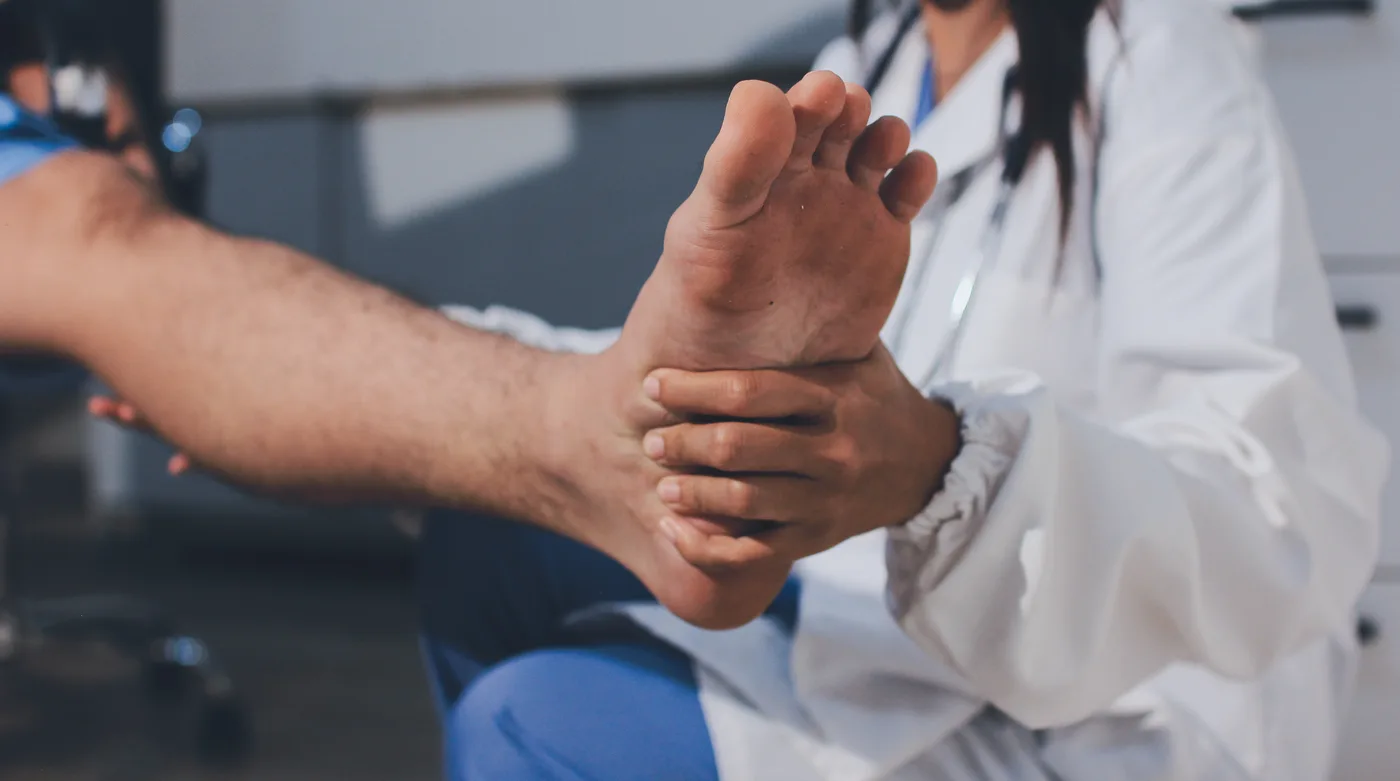
At the clinic, we look at what your deviation is like, whether other toes are involved, and what options you have — from orthotics and footwear changes to minimally invasive surgery when indicated. We also assess the joint’s mobility, the way you bear weight, the condition of your skin, and whether there is any associated metatarsalgia, claw toes, or osteoarthritis. Surgery is not decided upon just because the bunion is visible: the main criterion is its impact on your life and your response to conservative measures.
Surgery can be an option when the pain persists, limits your activities, or prevents you from wearing shoes despite having tried suitable alternatives. The aim is to correct the mechanical cause of the deformity, not just to remove the prominence. It entails an individual assessment, a recovery period, and post-operative instructions that you need to be aware of before making a decision.
The galindons (hallux valgus) fact sheet explains when each pathway is considered, and if you are asking yourself about the cost, we discuss it in quant costa operar-se un galindó. To cross-reference with independent sources, you can find informational content at the American College of Foot and Ankle Surgeons and at lesions i trastorns del peu (MedlinePlus).
The short version: in the event of an inflamed bunion, relieve the pressure, apply cold, and give it a rest for a few days; the flare-up usually subsides. Do not try to force the deviation and make sure that any protector does not further reduce the space inside your shoe. And if it keeps recurring or is affecting your daily life, tell us about your case and we will put a plan in place so that it does not get any worse.