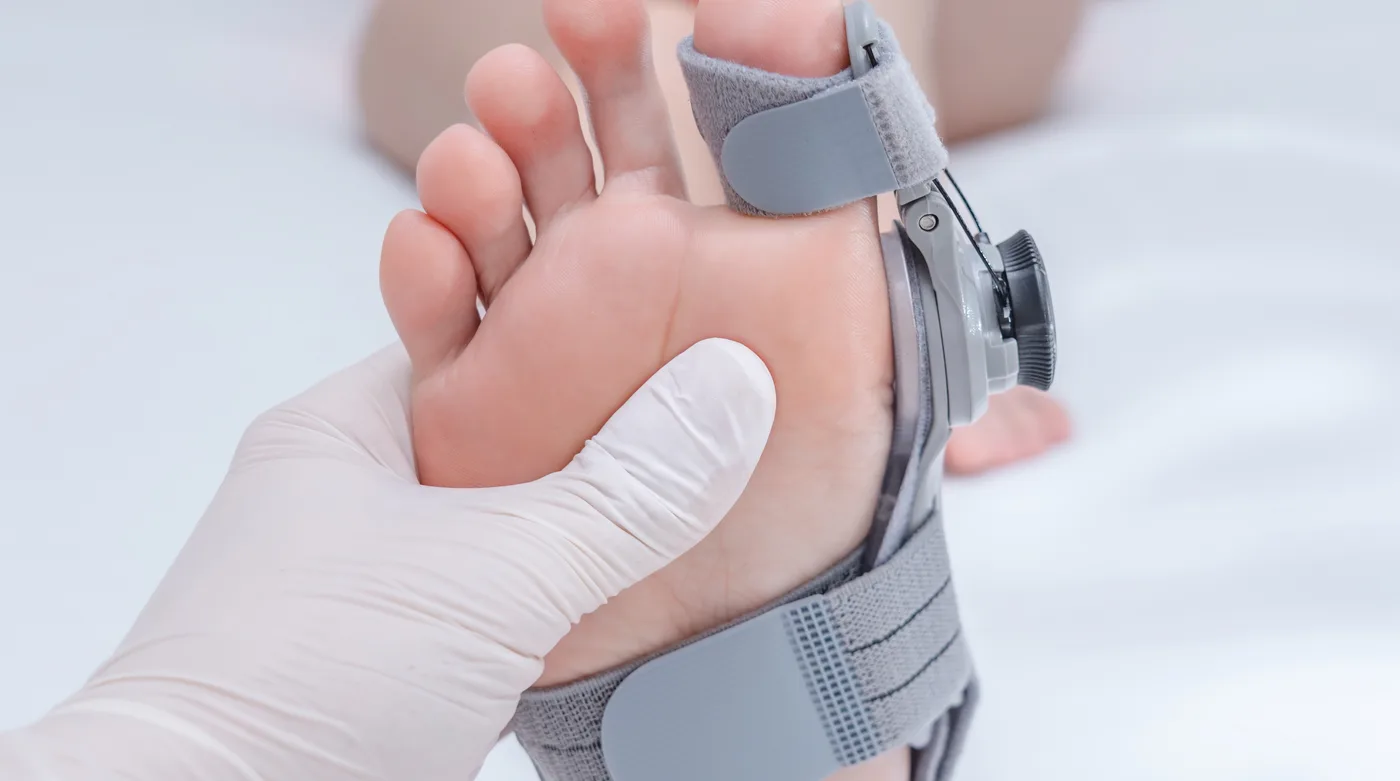
Recovery from bunion surgery today follows quite different timelines from what most people have in mind: with minimally invasive surgery, weight-bearing on the foot is usually allowed on the same day using a post-operative shoe, desk-based work can be resumed in 2-3 weeks, and a return to sports footwear occurs at around 4-6 weeks. High-impact sports come later, between 3 and 4 months.
These are guidelines, not promises: the surgical technique, the degree of deformity, and how well you look after your foot will move these timelines up or down. And if you are still at the “do I really need surgery?” stage, you will be interested first in what can be done without surgery. Let’s go step by step and dispel the myths.
What your recovery depends on
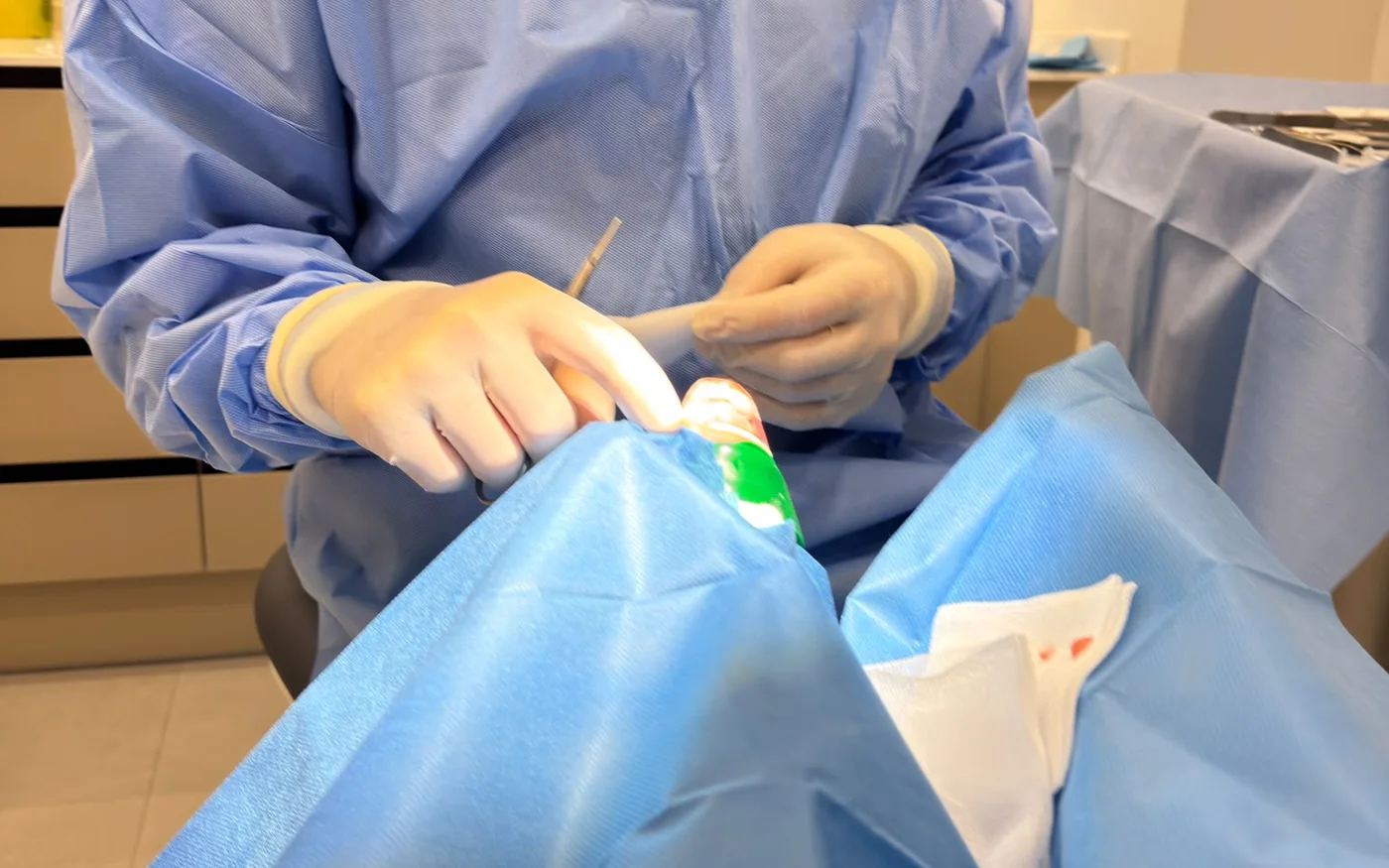
Not all bunion surgeries are the same. Percutaneous or minimally invasive techniques use millimetre-sized incisions and tend to cause less pain and reduce swelling earlier; open surgery remains the indicated approach for severe deformities and entails slightly longer recovery times.
In addition to the technique, three factors come into play: the severity of the bunion before operating, your age and bone health, and your discipline regarding the post-operative shoe. The latter is the one aspect that truly depends on you.
The condition of your skin, your circulation, smoking, certain conditions such as diabetes, and the medications you take also have an influence. This does not mean you cannot undergo surgery, but rather that it needs to be assessed and, if appropriate, prepared for beforehand. Always tell your surgeon about your medical history and treatments, including those that do not require a prescription.
The initial goal is not to walk many kilometres, but to protect the correction whilst the bone heals. Walking a little, when properly advised, is very different from spending hours standing, running errands, or constantly going up and down stairs.
Week by week: what to expect
The timelines below describe a typical progression following minimally invasive surgery. Your surgeon will adjust yours.
First few days (0-72 hours)
You will leave the operating theatre walking in the post-operative shoe, and that first time putting weight on the foot surprises almost everyone: it is less uncomfortable than expected. The keys are keeping your foot elevated for most of the day, applying cold over the bandage, and following the prescribed analgesia regimen.
The bandage is part of the surgery: it holds the toe in the correct position. It must not be touched or wetted until the first dressing change.
During these days, it is common to need help with showering, preparing food, or carrying objects. The shoe protects the foot, but it is not designed for running or walking on uneven surfaces. Move with short steps and watch where you tread, especially if you are still feeling the effects of the anaesthetic or taking medication that may make you drowsy.
Weeks 1-2: wound care and relative rest
First follow-up appointment and bandage change. You should walk only as much as strictly necessary around the house and for short trips, always wearing the rigid shoe. By the end of this period, many people with desk jobs can already resume working, especially if it is remote.
Swelling here is not a warning sign: it is the norm. The operated foot swells when standing and goes down when elevated.
There is no need to be completely immobile all day. Doing short, prescribed walks helps maintain a routine, but they must be alternated with long periods of elevation. If you have to work sitting down, try not to leave your foot hanging for many hours; a footstool or a cushion can relieve the congestion.
Showering, wound care, and bandaging must follow the instructions you have been given. Do not apply creams, antiseptics, or home remedies to the incision without consulting your surgeon first. The wound may look small, but the deeper tissues are still healing.
Weeks 3-6: saying goodbye to the post-operative shoe
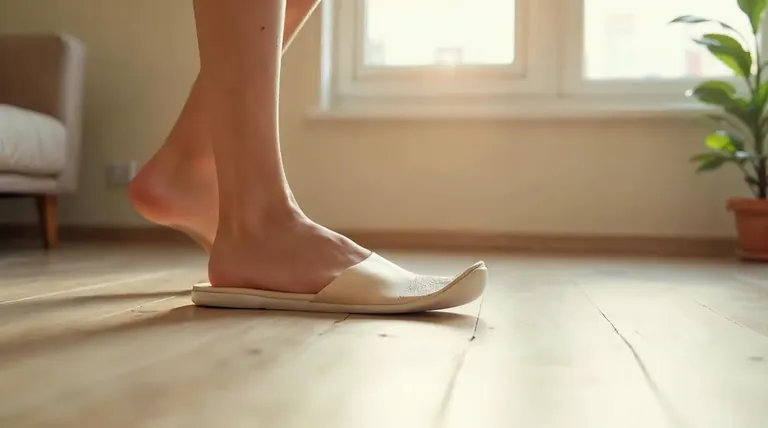
If the follow-up X-ray looks good, between the fourth and sixth week the rigid shoe is abandoned and you move on to a wide, comfortable slipper or shoe. Walking distances increase, toe mobility exercises begin, and, towards the end, driving resumes.
This is also the phase to return to jobs that require standing, although common sense is needed: progressive shifts are better than eight hours straight on the first day.
Footwear must leave room for the toes, not put pressure on the operated area, and hold the foot securely. This is not the time to try on tight shoes just because “you will only wear them for a short while”. If a particular pair leaves marks, causes tingling, or clearly increases swelling, it is not suitable yet.
Driving depends on which foot was operated on, the vehicle, your control of the pedals, and whether you are taking any medication that reduces your alertness. It is not just about being able to get into the car: you must be able to brake safely in an unforeseen situation. Start when your surgeon authorises it and do a short test drive.
Months 2 to 4: the full return
The bone consolidates and any residual swelling subsides, especially in the mornings. Non-impact sports are reintroduced first, followed by running, usually between the third and fourth month.
A detail that is reassuring to know in advance: some mild swelling towards the evening may accompany you for a few more months. This is the normal tail-end of recovery, not a problem.
The return to sport must be gradual. You can start with activities that do not involve jumping or sudden changes of direction, and observe how the foot responds the next day. If an increase in pain or swelling persists, you have progressed too quickly. Physiotherapy or prescribed exercises can help regain mobility, strength, and confidence, but they do not replace medical check-ups.
The week before your operation: little things that help a lot
Recovery begins before the operating theatre. Have the logistics for the first two weeks organised: do the grocery shopping, have the house reasonably tidy, and, if you live in a house with stairs, think about what you will need upstairs and downstairs so you do not have to make ten trips a day.
Prepare your “sofa kit”: cushions to elevate the foot, cold packs (ice packs are best bought in pairs, one in use and another in the freezer), your prescribed medication already purchased, and some entertainment close to hand. It sounds basic, but it makes the difference between a quiet first week and a week of improvising on the hop.
And two tasks that are always forgotten: the paperwork for your sick leave, discussed with your company before the date, and your transport back on the day of surgery sorted out — you will not be driving.
It is also a good idea to prepare easy-to-wear clothing, with wide trousers or a sufficient opening to accommodate the post-operative shoe. If you have pets or small children, plan who will take care of them during the first few days: bending down, carrying heavy weights, or having to react quickly can be difficult.
Sick leave, depending on your job
The real question is not “how much sick leave is given for bunion surgery”, but how much your job requires. Desk work and teleworking: 2-3 weeks. Standing without heavy lifting (retail, teaching): 4-6 weeks. Heavy lifting, stairs, or uneven surfaces (hospitality, construction, bedside healthcare): 6-8 weeks, sometimes more.
Mention this during your consultation before the operation. Scheduling the date of your surgery with your work calendar —and your family calendar— in mind is part of making your recovery portable.
If you work from home, check beforehand that your desk and chair allow you to keep your foot elevated. If you have to return on-site, discuss possible temporary adjustments: fewer commutes, breaks to sit down, or a phased return. Tolerating a full working day is not the same as having to get there and back on foot or via public transport.
Signs it is time to call
Normal recovery is uncomfortable; there are signs that are not normal. Pain that increases day after day instead of decreasing, fever, a bad smell or staining of the bandage, or a toe that turns white or bluish warrant a phone call that very same day, rather than waiting for your follow-up appointment.
On MedlinePlus you will find a general guide on bunion repair that reviews these post-operative care steps. When in doubt, it is always best to seek advice: checking a bandage once too often has never complicated a surgery. To expand on this with an independent source, consult foot injuries and disorders (MedlinePlus).
You should also get in touch if the wound opens, if unusual discharge appears, or if you experience sudden swelling associated with severe pain. Do not wait to see if “it will be better tomorrow” when the change is clear compared to the previous day. A photograph can help explain the progression, but it does not replace a clinical assessment.
Three things that speed it up (and one that doesn’t)
Things that speed it up: wearing the post-operative shoe until you are told to stop using it, keeping your foot elevated during the first few weeks, and doing the toe mobility exercises when they are prescribed. They are tedious, but they are what make the difference.
The one that doesn’t speed it up? Taking the shoe off early “because it no longer hurts”. Pain disappears weeks before the bone is fully healed; the timeline is dictated by the X-ray, not by how you feel.
It is also important not to compare yourself with other people who have undergone surgery. The fact that someone walks well sooner or returns to the gym earlier does not mean your progress is slow. Swelling, your line of work, the foot operated on, and the type of activity vary greatly from one case to another.
If you are considering surgery, or already have a date and want realistic timelines tailored to your case and your job, on the bunion surgery page you can see how we work, and during the consultation we will provide you with a realistic timeline based on your X-ray and ultrasound scan.