A short and honest answer: removing a bunion without surgery is not possible, because a bunion is a bone deformity, not a soft lump that can be dissolved. What is possible —and worthwhile— is relieving the pain, halting the progression of the deformity, and delaying or avoiding the operating theatre for years.
This distinction matters, because half the internet claims otherwise. Let’s separate what works from what merely empties your pockets.
Why a bunion doesn’t just “disappear”
A bunion or hallux valgus is a progressive deviation of the first metatarsal: the bone shifts outwards and the big toe leans inwards towards the others. The lump you see is not a callus or inflammation that will go down: it is the head of the bone in a position where it doesn’t belong.
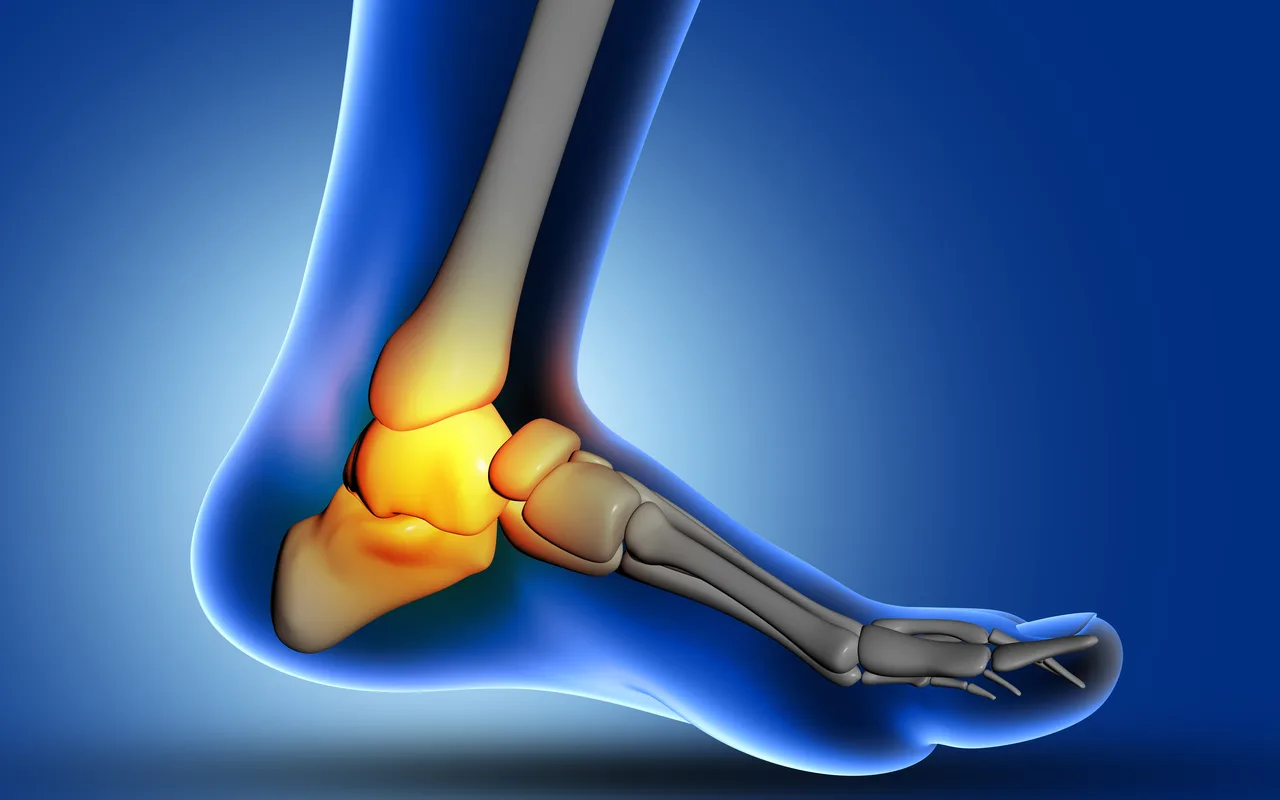
This is why no night-time corrector, cream, or gadget can “remove it”. Repositioning a bone requires surgery. Everything else works around the edges: less pain, less friction, less progression.
Furthermore, not all bunions behave in the same way. Some remain stable for a long time, whilst others progress more quickly, especially when there is unfavourable foot mechanics or everyday footwear squashes the toes. Just looking at the size of the bunion doesn’t tell you how it will evolve.
What actually works (and exactly what for)
Wide-fitting footwear
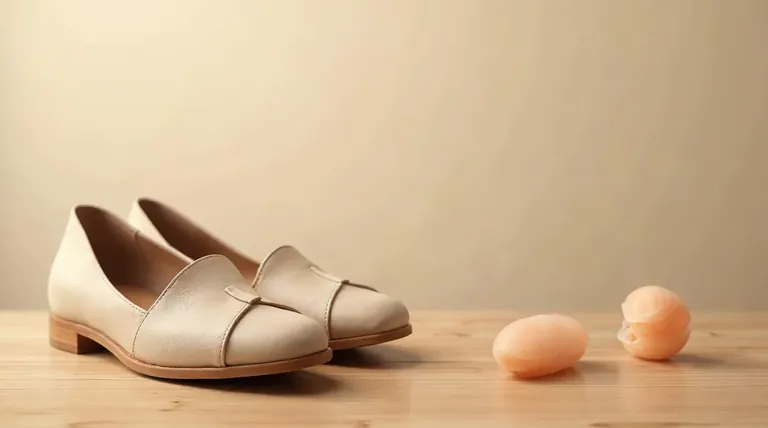
This is the measure with the greatest immediate impact. A shoe with a wide toe box and flexible material stops putting pressure on the bunion, and most of the daily pain caused by a bunion is exactly that: pressure and friction.
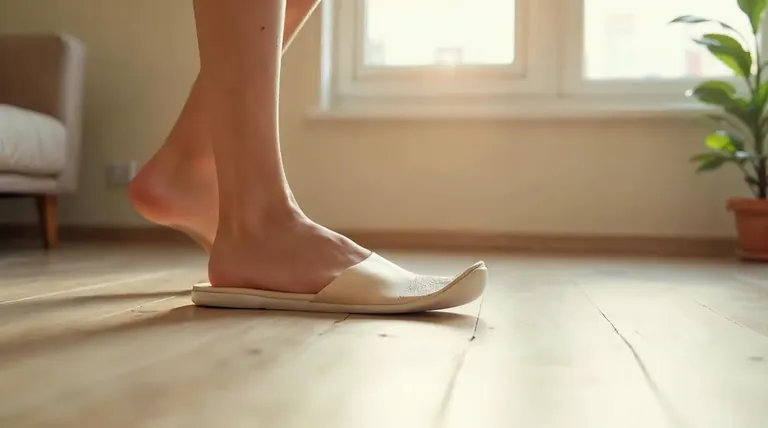
There is no need for old-catalogue “orthopaedic” shoes: there are modern slippers and shoes with a wide fit. The rule is simple: if, when you take your foot out of the shoe, the bunion is red, you can do without that shoe.
When trying on footwear, do so at the end of the day, when the foot is usually more swollen. The toes must be able to move and should not be squashed against the toe box. It is also advisable to check that the length is sufficient; buying a longer shoe that is just as narrow does not solve the problem.
If you spend many hours standing or walk a lot, alternating two comfortable pairs can reduce repeated pressure on the same area. And keep narrow footwear for specific occasions, provided it does not cause you pain; there’s no need to turn a recommendation into an impossible ban.
Foot exercises
Exercises keep the toe mobile and wake up the musculature that stabilises the first ray. Two basic ones to start with: actively separating the big toe from the others (even if it barely moves at first) and dragging a towel with your toes, two sets of fifteen repetitions a day.
Think of them as maintenance: they do not straighten the bone, but a strong foot distributes load better and usually hurts less.
Do them without forcing the movement or causing sharp pain. If the toe is very stiff, it may be more useful to start with gentle movements of the first toe and work on mobility progressively. Consistency makes more sense than doing an intensive session one day and giving up afterwards.
Separators and splints: fair expectations
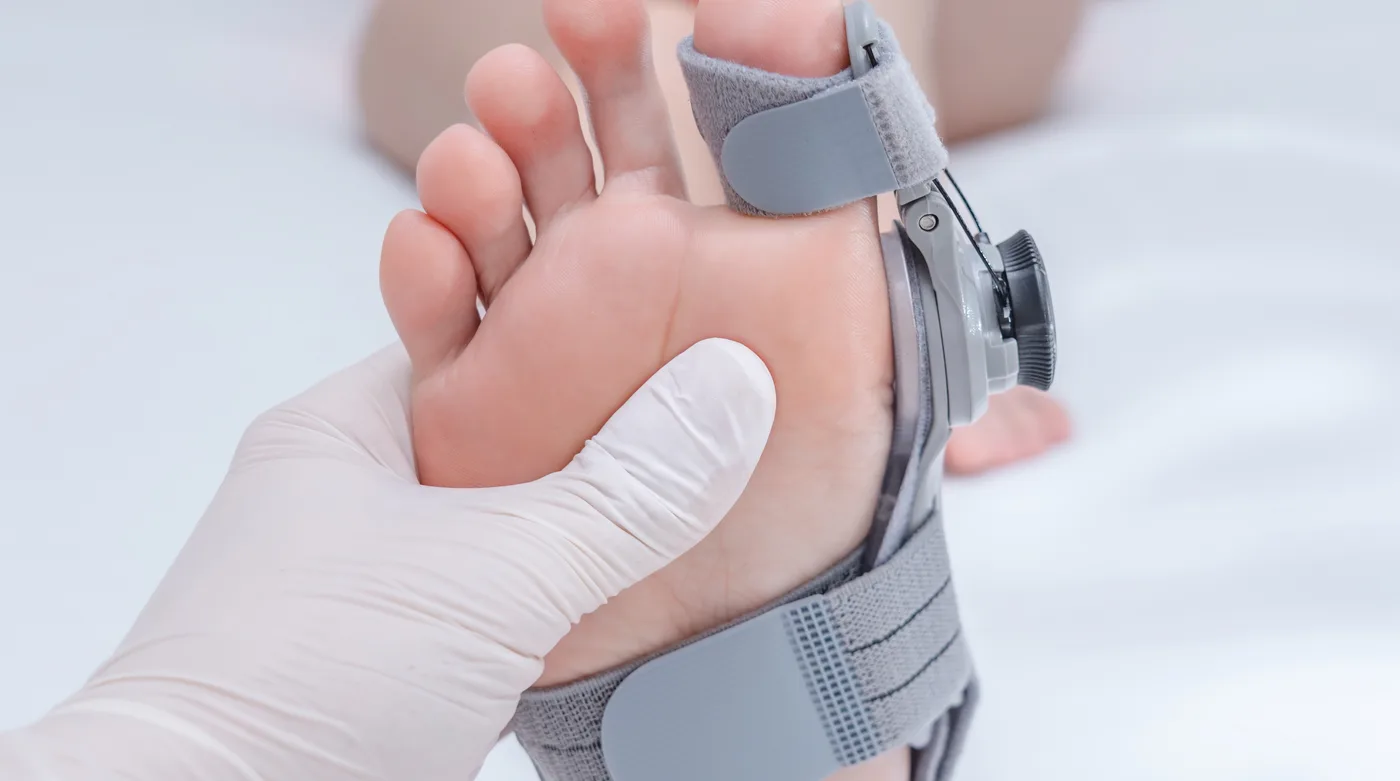
Silicone separators relieve friction between the first and second toe. Night splints stretch soft tissues and, for some people, unload the area. Neither of the two corrects the deviation, and anyone promising otherwise is selling you snake oil.
Use them for what they are: cheap comfort. If they relieve your symptoms, go ahead; if not, don’t persist.
Also check that they don’t leave your skin sore, numb, or redder. A separator that is too rigid or a poorly adjusted splint can create pressure on a different spot and worsen tolerance inside the shoe. If you have reduced sensation, diabetes, or circulatory problems, seek advice before using them regularly.
Insoles when there is a mechanical cause
Here lies the real leverage against progression. Many bunions progress driven by specific mechanics: excessive pronation, flat feet, a first ray that isn’t doing its job. A gait analysis detects this pattern, and custom insoles correct it with every step.
In the MedlinePlus factsheet on bunions you will find the same idea in other words: conservative treatment is aimed at the symptoms and the aggravating factors. To expand on this with an independent source, consult foot injuries and disorders (MedlinePlus).
An insole shouldn’t be an automatic purchase just because you have a bunion. It makes sense when the examination shows that the way you bear weight on your foot contributes to the pain or overload. It also requires an adaptation period and a shoe with enough room to fit it without squashing the toes even more.
What does not work
“Miracle” correctors that promise to straighten the toe in weeks, magnetic devices, slimming creams, and stretching protocols that claim to reverse the bone deformity. A bunion is a structural problem: be wary of any product that promises surgical results without surgery.
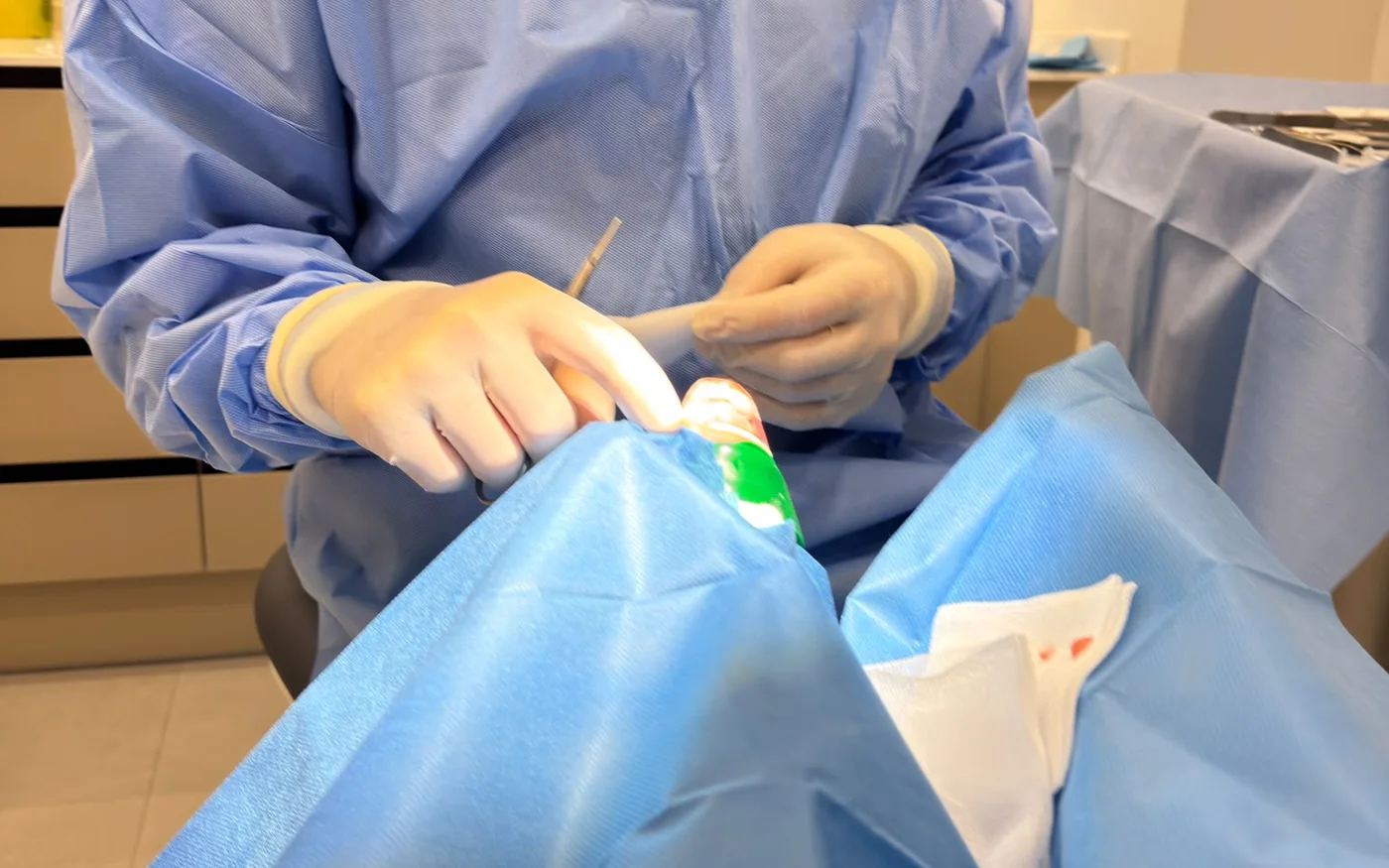
The risk isn’t just financial: it’s losing two years whilst the bunion progresses as you try out gadgets, eventually reaching the operating theatre with a larger deformity and a more complex surgery.
It is also unrealistic to expect an anti-inflammatory cream to change the alignment. It may temporarily soothe the skin or discomfort, but it does not alter the bone or the relationship between the toes. Before buying a treatment, ask yourself what specific problem it solves: friction, inflammation, mobility, or mechanics. If there is no clear answer, it is probably not a good investment.
Pain is also treated (whilst you decide)
Even if the bone doesn’t move, day-to-day pain has room for improvement. Silicone protectors over the bunion reduce friction inside the shoe. Applying local cold for ten minutes at the end of a long day brings down the inflammation in the area. And occasional pain relief, agreed with your doctor or pharmacist, is perfectly legitimate on bad days.
There is an important nuance here: treating pain is not “masking” it. It is about gaining quality of life whilst the background plan —footwear, exercises, insoles if appropriate— does its job. What is not advisable is living on painkillers without a background plan, because time plays in favour of the deformity.
And watch out for the domino effect: a painful bunion changes the way you walk without you even realising. You shift your weight towards the outer edge of the foot or towards the other toes, leading to metatarsalgia, new calluses, or pain in the second toe. If you notice this shift in pain, it’s another sign that an assessment is due.
However, do not expect every discomfort around the bunion to stem from the deformity. Bursitis, osteoarthritis, a skin lesion, or another type of overload can cause similar symptoms. If there is intense heat, an open wound, discharge, sudden inflammation, or pain that prevents you from bearing weight, you should seek medical advice rather than automatically attributing it to the bunion.
Quick myths, short answers
“Bunions are for older people.” No: there are juvenile bunions, and inherited ones start early. The earlier the mechanical pattern is detected, the more room there is to halt it.
“If it doesn’t hurt, it isn’t progressing.” False: progression doesn’t always give a warning. A painless bunion can continue to widen; taking an annual photo of the foot (literally: take a top-down picture) is a homemade way to compare.
“Heels caused my bunion.” Partly true: narrow footwear and heels don’t create the predisposition, but they do press the accelerator. Genetics loads the gun; footwear pulls the trigger.
“Surgery is awful and the bunion always comes back.” That was in the past: with current techniques, recovery is far more manageable, and recurrences, with good indication and technique, are the exception. This is explained without any smoke and mirrors in our recovery guide.
How to tell if your bunion is progressing
Three practical signs. One: fewer and fewer shoes fit you comfortably, and you choose your footwear based on the bunion. Two: the pain shifts from “at the end of the day” to “since mid-morning”. Three: the big toe begins to overlap or push the second toe out of place.
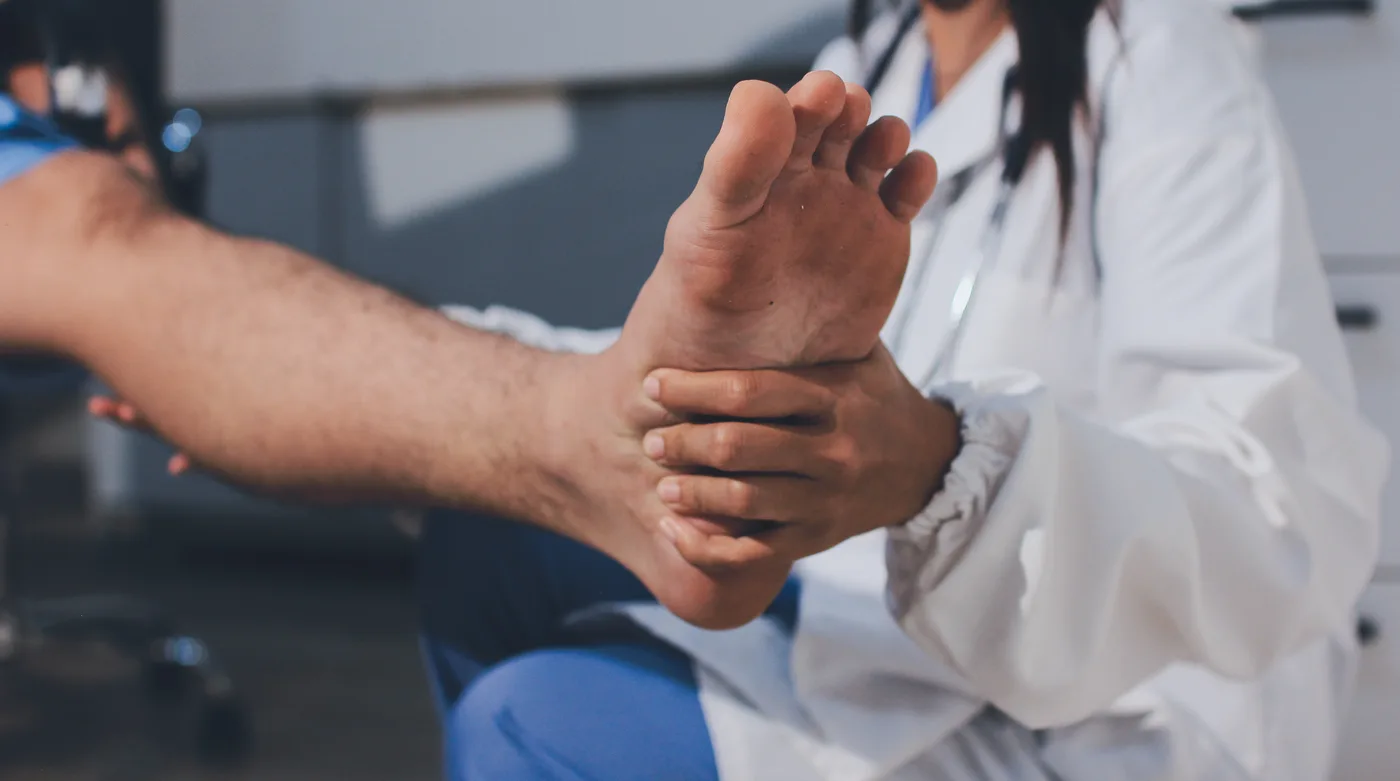
If you recognise yourself in these, it’s time for an assessment. Not to have surgery tomorrow, but to measure the deformity with an X-ray, understand your mechanics, and make a data-driven decision on whether conservative treatment is sufficient or if planning for surgery is advisable.
An assessment is also useful if the bunion is not yet very visible but is already limiting your activities: walking, running, standing for work, or wearing the shoes you need. The decision does not depend solely on the angle of the toe, but on the combination of symptoms, examination, mobility, X-rays, and personal goals.
If surgery is eventually required
The good news is that bunion surgery has changed significantly: using minimally invasive techniques, the procedure is performed through incisions of just a few millimetres, and you can bear weight on the foot on the same day. We have a complete guide on the week-by-week recovery after bunion surgery, so you know exactly what to expect.
There is no single universally valid operation. The technique depends on the deformity, the state of the joints, the flexibility of the toe, and how the first ray functions. This is why a weight-bearing X-ray and a full examination are more useful than choosing a technique by its name or from an internet photograph.
Furthermore, having surgery doesn’t mean going back to wearing any type of shoe without limits. Afterwards, you must respect weight-bearing guidelines, control inflammation, regain mobility when appropriate, and gradually return to activity. Good preparation and realistic expectations are part of the treatment.
Unsure about what stage yours is at? Bring your foot to us and we’ll tell you with the X-ray in front of us: what can be halted, what cannot, and how much room you have before considering the operating theatre.