Flat feet in adults are not exactly the same as childhood flat feet. In many adults, the arch of the foot gradually flattens after years of weight-bearing, an injury, weight gain, or changes in the tendon that supports the inner arch. It can also be present from birth without causing any discomfort.
Therefore, having a low arch does not necessarily mean being ill. What guides us is whether there is pain, fatigue, swelling, loss of strength, or a progressing deformity. As a podiatrist and foot surgeon in Barcelona, at Serven Clinics we primarily assess how the foot functions, not just its appearance.
What is acquired flat foot in adults?
Acquired flat foot in adults is a condition in which the inner longitudinal arch progressively decreases or disappears. Often, the heel tends to tilt outward and the forefoot may splay. In some cases, patients notice their shoes wearing out more on one side, or that they can no longer walk the same number of steps without discomfort.

A common cause is dysfunction or tendinopathy of the posterior tibial tendon. This tendon runs along the inner side of the ankle and helps support the arch and control foot movement. If it becomes irritated, weakened, or injured, the foot can lose some of this support.
Arthritis in certain joints, old injuries, fractures, inflammatory diseases, obesity, or age-related factors can also play a role. Not all cases have a single cause. Sometimes, flat feet are part of a combination of changes that need to be carefully analyzed.
This is different from pediatric flat feet, which often evolve during growth. In adults, a recent onset or clear worsening warrants an examination, especially if the change affects only one foot.
When does a flat foot become a problem?
A flat foot can be an anatomical variant without consequences. However, it is advisable to consult a professional if you experience pain on the inner side of the ankle or arch, swelling, a feeling of instability, or fatigue when walking or standing. It is also important to seek advice if you find it difficult to stand on your tiptoes on one leg.
Other signs include progressive heel deviation, loss of the arch, the foot appearing longer or wider, and difficulty fitting into shoes as you used to. Pain may appear in the sole, ankle, calf, or even the knee, because the body compensates for the altered gait.
It is not advisable to wait indefinitely if the deformity is progressing. A posterior tibial tendon that is functioning poorly can overload other structures and cause the foot to lose flexibility. When the problem is diagnosed early, there are often more non-surgical treatment options available.
Other causes of pain must also be considered, such as midfoot arthritis, a tendon injury, or plantar overload. The diagnosis should not be based solely on observing a low arch.
How is it diagnosed and what can help?
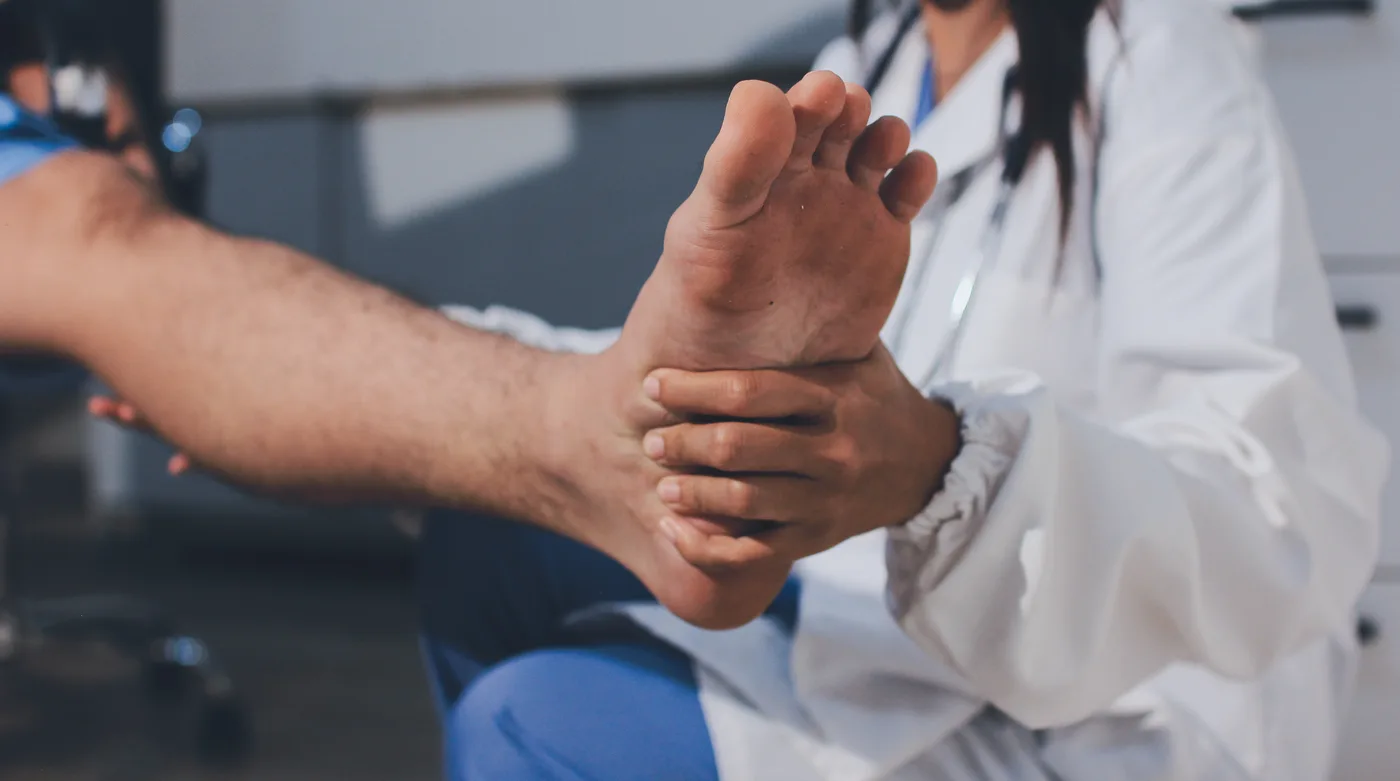
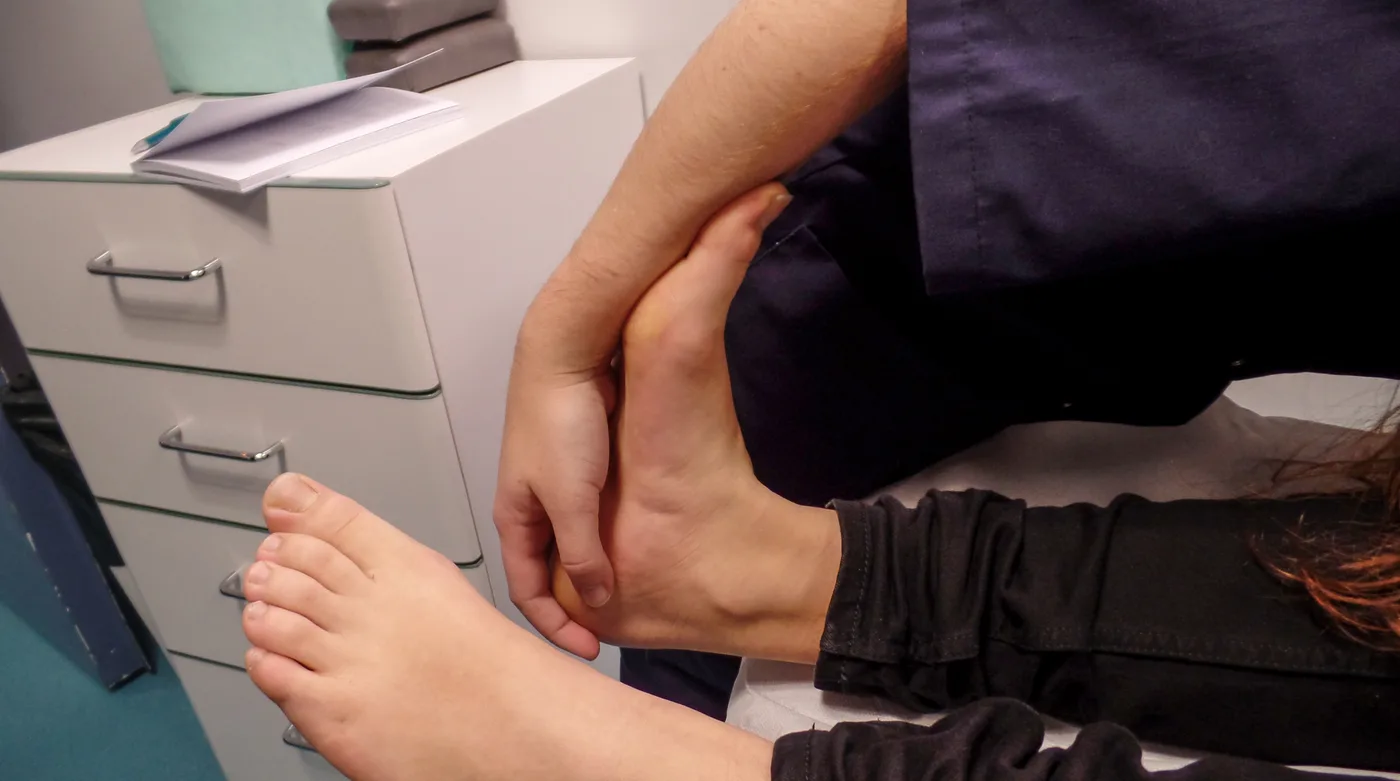
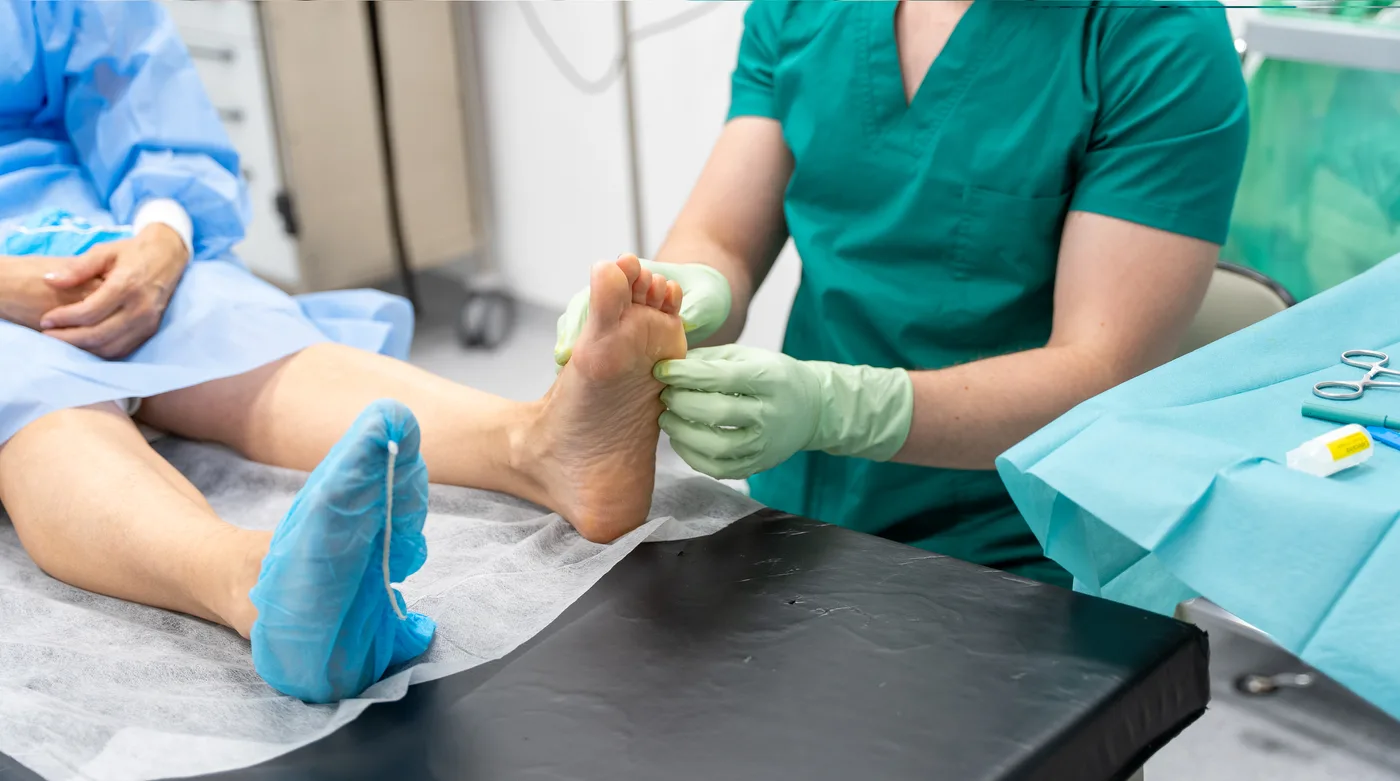
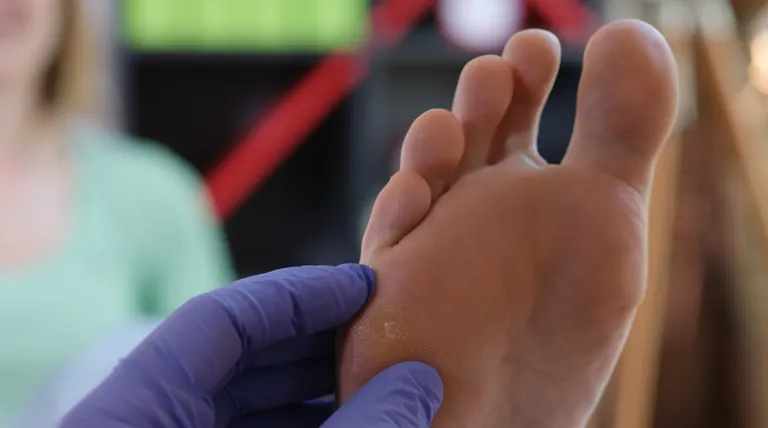
The assessment begins with an interview and a weight-bearing and non-weight-bearing examination. We observe the alignment of the foot and ankle, mobility, the strength of the posterior tibial tendon, the ability to stand on tiptoes, and the way you walk. We also review your footwear and the activities you practice.
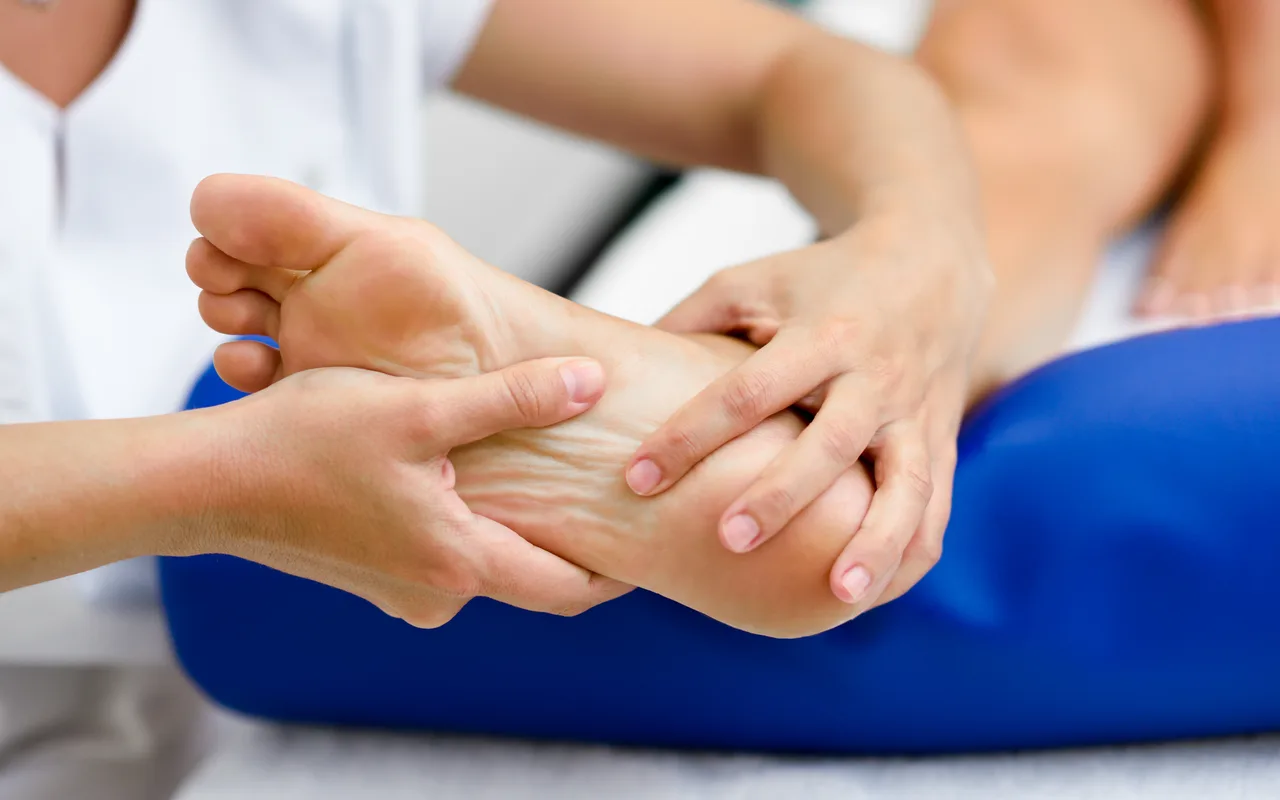
A gait analysis can provide information about pressure distribution and foot behavior during walking. Depending on the symptoms, weight-bearing X-rays or other tests may be necessary to assess the bones, joints, and tendons.
Treatment for adult flat feet depends on the cause and the stage of the problem. When there is recent pain or swelling, it may be helpful to temporarily reduce activities that cause discomfort, adjust footwear, and apply the measures indicated by the specialist. Absolute rest is rarely the best long-term response.
Custom orthotic insoles can help support the arch, control part of the movement, and better distribute loads. They are not a universal solution, nor are they intended to “build” a new arch. Their design must take into account the foot’s flexibility, pain, footwear, and each person’s activity level.
Physiotherapy and exercises can build strength in the posterior tibial tendon, the intrinsic muscles of the foot, and the calf, as well as improving balance and leg control. The progression must be gradual. If an exercise clearly increases pain or swelling, it needs to be revised.
In specific situations, the practitioner may consider other options, such as temporary immobilization or ultrasound-guided injections. These are not suitable for all cases and must be prescribed after precisely identifying the structure responsible for the symptoms.
To better understand how to choose the right support, you may also be interested in the article on how long orthotic insoles last. Their actual lifespan depends on the material, usage, weight, activity level, and the changes the foot undergoes.
When should surgery be considered?
Surgery is not the first step for most adult flat feet with mild or moderate symptoms. It is usually considered when pain or limitation persists after appropriate conservative treatment, or when there is a progressive deformity that compromises foot function.
It may also be an option if the posterior tibial tendon is severely injured, if there is a rigid deformity, or if a joint shows significant deterioration. Before making a decision, it is necessary to determine if the foot is still flexible, which joints are involved in the problem, and what the condition of the bone, tendons, and ligaments is.
There is no single operation for adult flat feet. In some cases, tendon repair or transfer is combined with a correction of the heel or forefoot alignment. When arthritis or stiffness is present, the approach may differ. Therefore, talking about “flat foot surgery” without studying the specific case can create unrealistic expectations.
Recovery also depends on the technique, the quality of the tissues, general health, and rehabilitation. The goal is to improve pain and function, not to guarantee a perfect shape or to eliminate all discomfort. If surgery is ultimately necessary, individual planning is essential; in some cases, minimally invasive surgery techniques can be used, but they are not applicable to all deformities.
A second opinion can be useful when there are doubts about the diagnosis, or when an intervention has been proposed and you want to better understand the alternatives. The most important thing is to make the decision with a clear explanation of the expected benefits, limitations, risks, and recovery time.
A timely assessment can prevent the problem from progressing
Flat feet in adults are treated when they cause symptoms, loss of function, or a progressive deformity; not simply because the arch is low. Insoles, appropriate footwear, exercises, and temporary modification of activity can be sufficient in many cases, provided they are prescribed based on a physical examination.
If you notice that your arch has changed, that an ankle swells frequently, or that you can no longer walk as you used to, request an assessment. At Serven Clinics, we can evaluate your case and guide you on the available options. You can get in touch to schedule an appointment.
More information: medlineplus.gov · foothealthfacts.org.