A calcaneal spur is a bony formation that appears on the underside or back of the calcaneus, the heel bone. It is often detected on an X-ray when a person consults for pain, but finding it does not necessarily mean it is responsible for the discomfort. In fact, many people have a spur and experience no symptoms at all.
When the heel hurts, it is important to examine the foot as a whole. The cause may be related to the plantar fascia, the tendons, an overload, trauma, or other conditions. In this article, I explain what a calcaneal spur is, its relationship with plantar fasciitis, and the treatment options we typically consider.
A calcaneal spur and plantar fasciitis are not the same
Plantar fasciitis is an irritation or degeneration due to overuse of the plantar fascia, a band of tissue that runs along the sole of the foot from the heel to the toes. When it bears more tension than it can tolerate, pain can appear on the underside of the heel, especially near its insertion point.
A calcaneal spur, on the other hand, is a bony overgrowth. It can form as a response to repeated traction from the tissues attached to the calcaneus, but it is not necessarily a spike that digs into the foot or a lesion that must always be removed.
Therefore, it is possible to have plantar fasciitis without a calcaneal spur, and also to have a spur without fasciitis or pain. In many cases, both findings coincide because they share overload factors, but they should not be considered synonymous.
The diagnosis is mainly based on the medical history and physical examination. An X-ray can show the spur, but it does not explain the intensity of the pain on its own. Depending on the case, the tendons, fascia, and the walking pattern may also be evaluated.
For more general information on foot injuries and problems, you can consult this informative guide on foot disorders and the information from the American Orthopaedic Foot & Ankle Society on foot conditions.
Why does your heel hurt when you get up?
One of the most characteristic symptoms of plantar fasciitis is intense pain during the first steps in the morning or after sitting for a while. During rest, the tissues on the sole of the foot can become stiffer and shortened. When you stand up, they have to lengthen and bear your body weight suddenly.
This combination of stretching and loading can cause pain in the inner area of the underside of the heel. It often decreases a bit after walking, but it can return at the end of the day, after playing sports, or if you have been standing for a long time.
However, not all heel pain upon waking is plantar fasciitis. There could also be nerve compression, an injury to the plantar fat pad, a tendinopathy, or a stress fracture, among other causes. If the pain is very severe, appears after trauma, involves significant inflammation, or does not improve, it is advisable to consult a professional.
You can read more about this symptom pattern in the article on heel pain upon waking up. A proper assessment prevents attributing all discomfort to the spur that appears on an imaging test.
What factors can contribute to the spur and the pain?
A calcaneal spur does not usually appear for a single reason. It is related to repeated loads on the heel and sustained tension in the structures of the sole. Running, jumping, or walking for many hours can contribute to it, especially if there has been a sudden increase in activity.
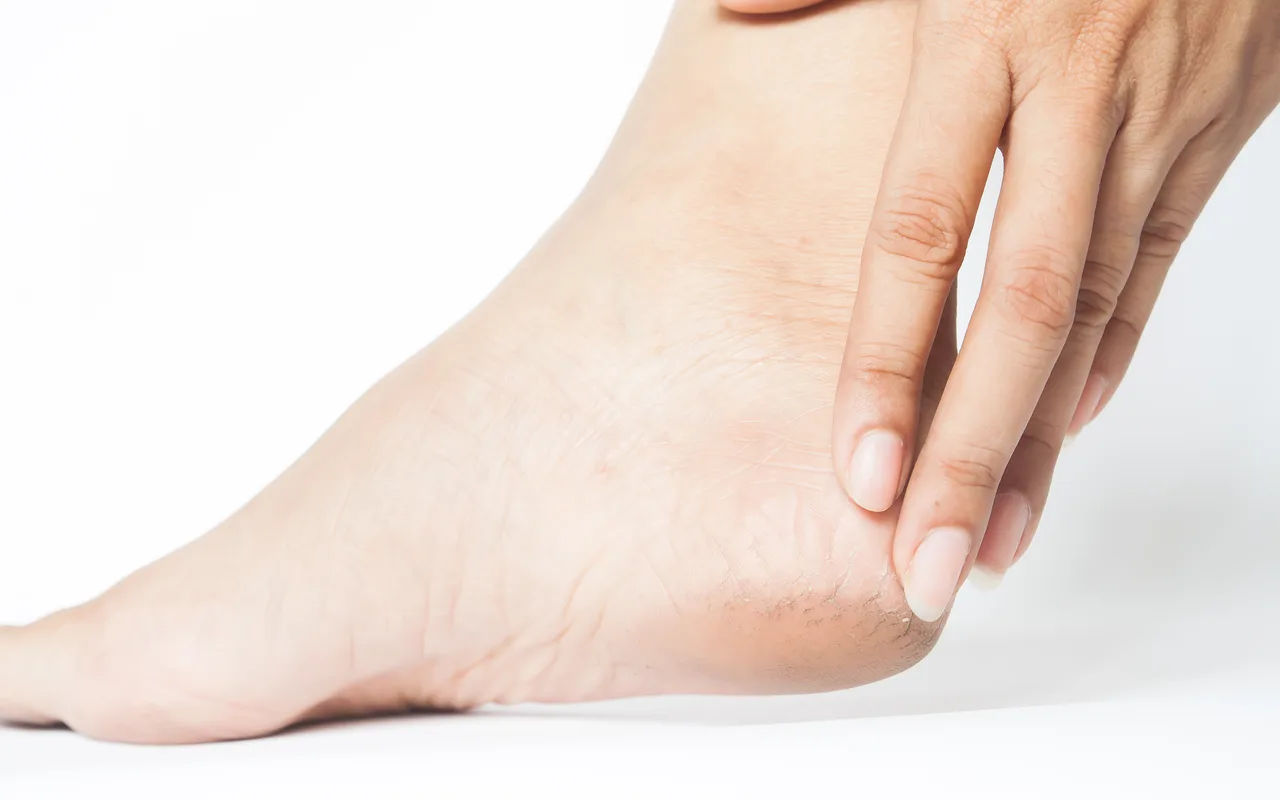
Being overweight, wearing inappropriate footwear, stiffness in the calf and Achilles tendon, flat feet, or high arches can also play a role. Gait abnormalities can change how forces are distributed and increase tension on the plantar fascia.
Age also plays a part, as tissues can lose elasticity over time. This does not mean that pain is inevitable or that a spur is a normal consequence that cannot be treated. It is necessary to analyze habits, activity levels, and the characteristics of each foot.
If we suspect that the way you walk or your foot support is contributing, a gait analysis can provide useful information. The goal is not to correct an image, but to understand what loads might be perpetuating the pain.
Calcaneal spur treatment: non-surgical options
When you wonder how to cure a calcaneal spur, the answer depends on the diagnosis and its progression. In most cases, there is no need to remove the bone. The first objective is to reduce tissue irritation and progressively regain its ability to bear weight.
Reviewing your footwear can be helpful. Look for a comfortable, stable shoe with a cushioning sole and enough room for your toes. Avoid walking barefoot on hard surfaces during the most painful phases and temporarily reduce activities that trigger the discomfort, without immobilizing the foot more than necessary.
Custom orthotic insoles can help distribute pressures, support the plantar arch, or reduce tension on the fascia. They are not a universal solution: they must be prescribed based on your anatomy, gait, and activity level. A standard insole may relieve some people, but it does not always solve the problem.
Exercises are an important part of the treatment. Typically, this involves progressive stretching of the plantar fascia, calf, and Achilles tendon, along with strengthening the muscles of the foot and leg. These should be done at a tolerable intensity and increased gradually.
You can check some exercises for plantar fasciitis, but if the pain is persistent or you have other injuries, it is better to adapt them after a professional assessment. An exercise that works well for one person may be inadequate for another.
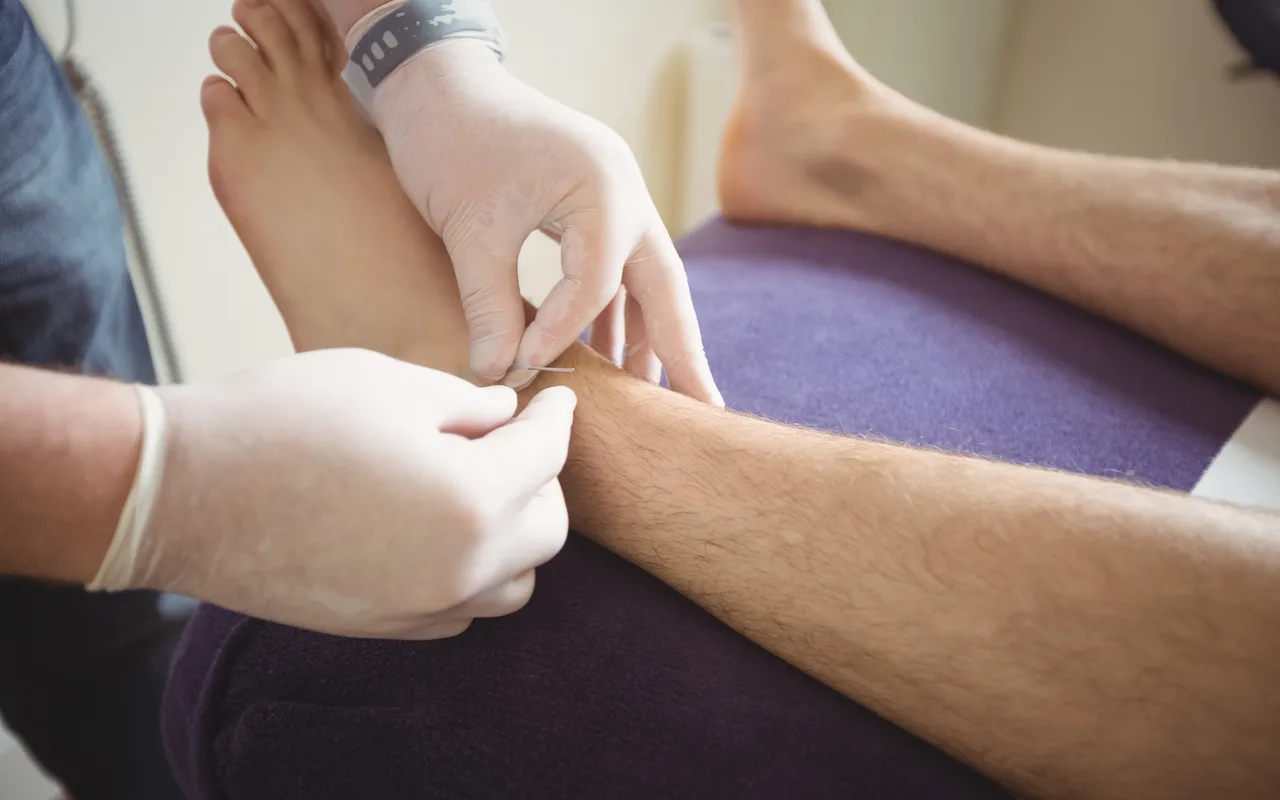
Shock wave therapy is another option when pain persists despite initial measures. Mechanical impulses are applied to the affected area with the aim of stimulating a tissue response and modulating pain. They do not act as a tool to “break” the spur, nor do they guarantee an identical response in all cases.
You can learn more about this treatment on the regenerative treatments page. The number of applications and the suitability of the treatment depend on the examination, the duration of the symptoms, and the response obtained.
In selected situations, ultrasound-guided injections may also be considered. They require a precise indication and a clear explanation of the benefits and risks. They are not always the first option, nor do they replace the correction of overload factors.
Surgery is an exceptional option
Surgery for a calcaneal spur is reserved for very specific cases. Before considering it, the diagnosis must be confirmed, a well-guided conservative treatment must have been attempted, and it must be verified that the pain significantly limits daily life or activity.
Furthermore, operating on the spur does not always resolve the problem, because the pain may primarily originate from the plantar fascia or another structure. Surgery may involve partial release of the fascia or resection of the excess bone, but each technique carries potential complications and requires a recovery period.
Therefore, surgery should not be decided solely because an X-ray shows a prominence. In some cases, a second opinion on foot surgery may be useful. If surgery is ultimately indicated, the most appropriate technique will be chosen after a thorough study of the foot.
When should you consult a professional?
Request an assessment if the pain lasts more than a few weeks, worsens, causes you to change the way you walk, or interferes with your work and sports activities. It is also advisable to consult earlier if you have diabetes, sensation problems, poor circulation, or a history of foot injuries.
Treatment for a calcaneal spur does not consist of chasing a radiological image, but rather identifying what is causing the pain and restoring function with proportionate measures. If you would like to have your case evaluated, you can contact Serven Clinics and we will guide you on the next step.