Hallux rigidus is a disorder of the joint that connects the big toe to the foot. When this joint wears down, the toe loses mobility and can become painful, especially when walking, running, or climbing stairs. The name may sound complex, but it describes a very specific condition: a big toe that becomes rigid.
It is important to differentiate it from bunions. In a bunion, the big toe deviates towards the other toes and a prominence appears on the inner side of the foot. In contrast, in hallux rigidus, the main problem is osteoarthritis of the joint and the difficulty in lifting the toe. However, it is possible for the same person to have both conditions.
As a podiatrist and foot surgeon in Barcelona, I will explain what can cause this problem, how it manifests, its different grades, and the available treatment options. This information is for guidance only: diagnosis and therapeutic decisions require an individual assessment.
Hallux rigidus is osteoarthritis of the big toe
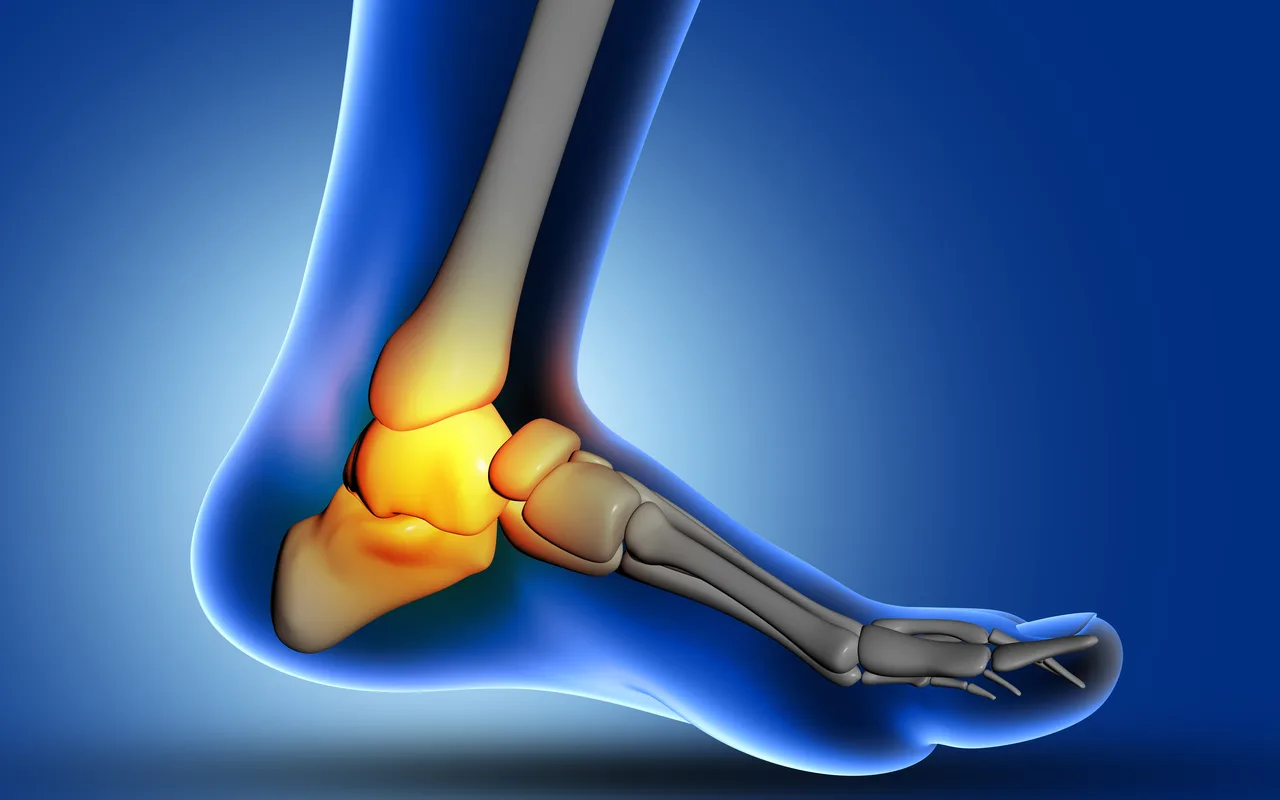
The metatarsophalangeal joint of the big toe plays a role in moving the body forward during gait. Every time you take a step, the toe must elevate and bear a significant portion of the load. If the cartilage deteriorates, the bones may rub against each other excessively, and the joint loses its elasticity.
This wear and tear can occur for several reasons. There may be an anatomical predisposition, a previous injury, repetitive overloading, abnormalities in the way you walk, or age-related osteoarthritis. In some cases, a single cause cannot be identified. A gait analysis can be useful when we want to understand how loads are distributed during walking.
Initially, the pain may only appear during specific activities or when wearing tight shoes. Over time, the stiffness may become more noticeable, and a prominence may appear on the top of the joint. This bump is not necessarily a bunion: it often corresponds to bony changes related to osteoarthritis.
For more information on foot and musculoskeletal problems, you can consult this informative guide on foot injuries and disorders in Spanish and the information from the American College of Foot and Ankle Orthopedics and Medicine on foot conditions.
Symptoms that may suggest a rigid big toe
The most common symptom is pain at the base of the big toe, especially when the joint needs to be lifted. Some people notice it during brisk walking, running, or when wearing shoes with little space in the front. Others describe discomfort even during everyday activities.
Stiffness is also frequent. It may be difficult to move the toe up or down, and in some cases, the joint may become almost locked. This reduced mobility forces the body to compensate and place more weight on other areas of the foot, which can lead to discomfort in the forefoot or neighboring toes.
Other possible signs include swelling, tenderness to the touch, redness after walking, and the appearance of a dorsal prominence. If the shoe rubs against this area, calluses or irritation may develop. However, these symptoms are not exclusive to hallux rigidus and may also correspond to other issues.
Consult a specialist if the pain persists, if you have reduced activities you previously did normally, or if the stiffness increases. It is also advisable to seek an assessment if you have suffered an injury, if the joint is very swollen, or if the pain appears suddenly.
Grades are a guide, but symptoms also matter
Hallux rigidus can be classified into different grades based on mobility, pain, and the changes observed on imaging tests. In the early stages, there may be mild limitation, pain only during certain movements, and incipient signs of wear and tear.

In an intermediate grade, mobility is usually more restricted, and bone spurs (osteophytes)—that is, bony growths associated with osteoarthritis—may appear. Pain may be more frequent, and footwear may become uncomfortable. In advanced stages, the joint can be very stiff, with a significant loss of joint space and pain during everyday activities.
An X-ray helps assess the alignment and the degree of wear and tear, but it does not explain on its own how you feel. Some people have significant radiographic changes with few symptoms, while others experience notable pain with more subtle alterations. This is why clinical history, physical examination, and, when appropriate, other tests must be combined.
The consultation also allows us to differentiate hallux rigidus from a bunion, a traumatic injury, joint inflammation, or other causes of forefoot pain. An accurate diagnosis is the first step in avoiding unnecessary treatments.
Treatment begins by adapting the loads
Treatment for hallux rigidus is not the same for everyone. In the early stages or when symptoms are tolerable, we usually begin with conservative measures. The goal is to reduce pressure and painful movement while maintaining as much function as possible.
Footwear plays a major role. A shoe with a wide front that does not compress the toe, and a rigid sole or one with a certain rolling capacity, can often be beneficial. This type of sole can decrease the need for the joint to bend upwards during a step. Highly flexible, narrow, or high-heeled shoes can increase the load and irritation.
Insoles can also help in selected cases. A custom-made insole can modify the distribution of pressure and make walking easier, but it should not be identical for everyone. You can consult our custom insoles service and, if necessary, complement it with a gait analysis.
In some cases, the practitioner may recommend temporarily limiting activities that cause pain and replacing them with lower-impact options. Applying local cold for short periods can relieve swelling, always ensuring the skin is protected. Medication should only be used if appropriate for you and following a healthcare professional’s instructions.
Ultrasound-guided injections may be considered in specific situations to temporarily reduce pain and inflammation. They do not repair the cartilage or eliminate the cause of the osteoarthritis, and they have specific indications and limitations. This is why it is important to fully understand the diagnosis before deciding on them; you can find more information about ultrasound-guided injections here.
What if surgery is needed?
Surgery is considered when the pain is persistent, limits your activity, and conservative measures fail to provide sufficient relief. It may also be considered when there is a significant deformity or severe joint locking. The decision should not be based solely on correcting an X-ray image, but rather on the relationship between the symptoms and the physical examination.
The surgical technique depends on the degree of osteoarthritis, the mobility still preserved in the toe, the shape of the foot, and your specific needs. In early or intermediate cases, procedures aimed at removing bony prominences and improving joint space or mobility may be considered. In advanced cases, a procedure that eliminates painful movement or replaces the joint may be necessary, depending on the situation.
There is no universally superior operation. A technique suitable for one person may not be suitable for another, especially if they play sports, need to walk long distances, or have other deformities. During the consultation, it is important to discuss expectations, recovery time, post-operative footwear, and any potential limitations.
When indicated, the procedure can be performed using conventional techniques or minimally invasive surgery. The fact that a surgery is minimally invasive does not mean it is suitable for all cases or that recovery is immediate. The indication depends on the anatomy, the degree of osteoarthritis, and the surgical team’s experience.
After the procedure, it is standard to follow protection guidelines, control inflammation, and gradually resume weight-bearing. The duration and phases of recovery vary depending on the technique. Physical therapy or prescribed exercises may also be necessary to regain mobility and strength, always respecting the healing process.
Exercises and prevention: what you can do without overdoing it
Exercises cannot reverse established osteoarthritis, but they can help preserve the available mobility and improve foot control. They should be gentle, progressive, and should not cause severe pain or lingering inflammation after the activity.
In the early stages, a professional may recommend gentle joint mobilizations of the toe, exercises to control the plantar arch, or work on the intrinsic muscles of the foot. They may also recommend general ankle and calf exercises to promote a more balanced gait. It is not advisable to insist on pushing the toe to its limit if the joint is highly irritated.
If you experience pain after walking, review your footwear and temporarily reduce high-impact activities. The goal is not to stop moving, but to find a level of exertion you can tolerate. The blog about exercises for plantar fasciitis covers a different condition, but it can help you understand why foot exercises must be specific and tailored to the diagnosis.
Hallux rigidus can progress slowly and variably. An early assessment helps identify which activities, shoes, or supports can reduce overloading and aids in deciding whether further tests are needed. If you have pain in your big toe or notice that you can move it less and less, you can book an appointment at Serven Clinics to have your case studied thoroughly.