Claw toes and hammer toes are common forefoot deformities. They can cause pain when walking, pressure inside the shoe, calluses, and irritation on the top or tip of the toes. Although they may look similar at first glance, they are not exactly the same problem, and therefore, they are not always corrected in the same way.
The good news is that there are different treatment options. In some cases, simply adjusting footwear and reducing pressure is enough. In others, especially when the toe is already rigid or the deformity interferes with daily life, surgery may be considered. The first step is to perform an individualized examination and understand what is causing the deformity.
Claw and Hammer Toes: Not the Same Deformity
A hammer toe typically presents a flexion in the proximal interphalangeal joint, which is the joint roughly in the middle of the toe. This joint remains bent upward, while the tip may point downward. Pressure against the shoe can cause a callus to form on the top of the toe.
On the other hand, in a claw toe, the joint connecting the toe to the foot tends to remain in extension, while the more distal joints flex. The toe takes on a more curved shape, resembling a claw, and may excessively bear weight on the tip or the plantar pad area. You can find more information about this deformity on the claw toes page.
The difference between a flexible and a rigid deformity is especially important. If you can gently straighten the toe with your hand, it still retains some mobility. If it cannot be straightened or causes joint pain, there are likely more structural changes. This distinction helps in choosing the most appropriate treatment.
Why Do Claw and Hammer Toes Appear?
Multiple factors are often involved simultaneously. Narrow footwear or shoes with a low toe box force the toes to remain flexed and increase pressure between them and against the top of the shoe. Over time, this position may cease to be just a temporary adaptation.
Bunions can also play a role. When the big toe deviates, it can reduce the space available for the other toes and alter the way weight is distributed. In this context, correcting the toes may require evaluating the entire forefoot, not just the painful toe. You can expand your knowledge about bunions and their treatment options.
Muscle and tendon imbalances, foot shape, certain neurological conditions, previous trauma, or an altered gait can also contribute. In people with a high arch (cavus foot), for example, the distribution of pressure can lead to toe overload.
If you have diabetes, a deformity can cause a wound without you noticing it immediately, especially if there is a loss of sensitivity. Therefore, if you notice a red area, a blister, or a lesion that does not improve, it is important to seek consultation early and take extra care of the diabetic foot.
Treatment Starts Without Surgery Whenever Possible
When the toe is still flexible and symptoms are moderate, we usually begin with conservative measures. The goal is to reduce pain, decrease pressure, and prevent the deformity from progressing. These measures do not always permanently straighten a structurally deformed toe, but they can be sufficient to restore comfort.
Footwear is an essential part of treatment. Look for shoes with a wide and sufficiently high toe box so that the toes do not hit the top. Avoid narrow, rigid models or high heels, especially if you notice pain after wearing them.
Silicone protectors, toe separators, and specific bandages can reduce friction. They should be used without over-compressing or causing changes in color, numbness, or increased pain. If you have a callus, do not cut it at home with blades or instruments; it is safer to seek professional podiatry care.
Depending on how your foot strikes the ground, custom orthotic insoles may also be recommended. These can help redistribute weight across the forefoot and offload pressure points. A gait analysis can provide useful information, but it does not replace a clinical examination or imaging tests when they are necessary.
Exercises can help maintain mobility if the toe is flexible. Gentle stretching movements, toe spreading, and foot muscle activation can be practiced, always without forcing the movement or increasing the pain. If you want to learn about other aspects related to forefoot overload, you can read the article on why metatarsalgia hurts.
When Should Toe Surgery Be Considered?
Surgery is not decided simply because a toe looks different. It is considered when the deformity causes limiting pain, recurring calluses, wounds, difficulty wearing shoes, or a clear loss of function. It may also be considered when the toe is rigid and conservative measures do not provide enough relief.
Before recommending surgery, it is necessary to determine which joints are affected and whether the deformity is flexible or fixed. The examination may be complemented with weight-bearing X-rays, which allow the relationship between the bones to be observed while you are standing. It is also important to evaluate your footwear, gait, the other toes, and the condition of your skin.
In a person with poor circulation, neuropathy, uncontrolled diabetes, or an active infection, the risks may be higher. These conditions do not always prevent surgery, but they require careful planning. An in-person assessment is essential before making a decision.
Minimally Invasive Surgery: What to Expect?
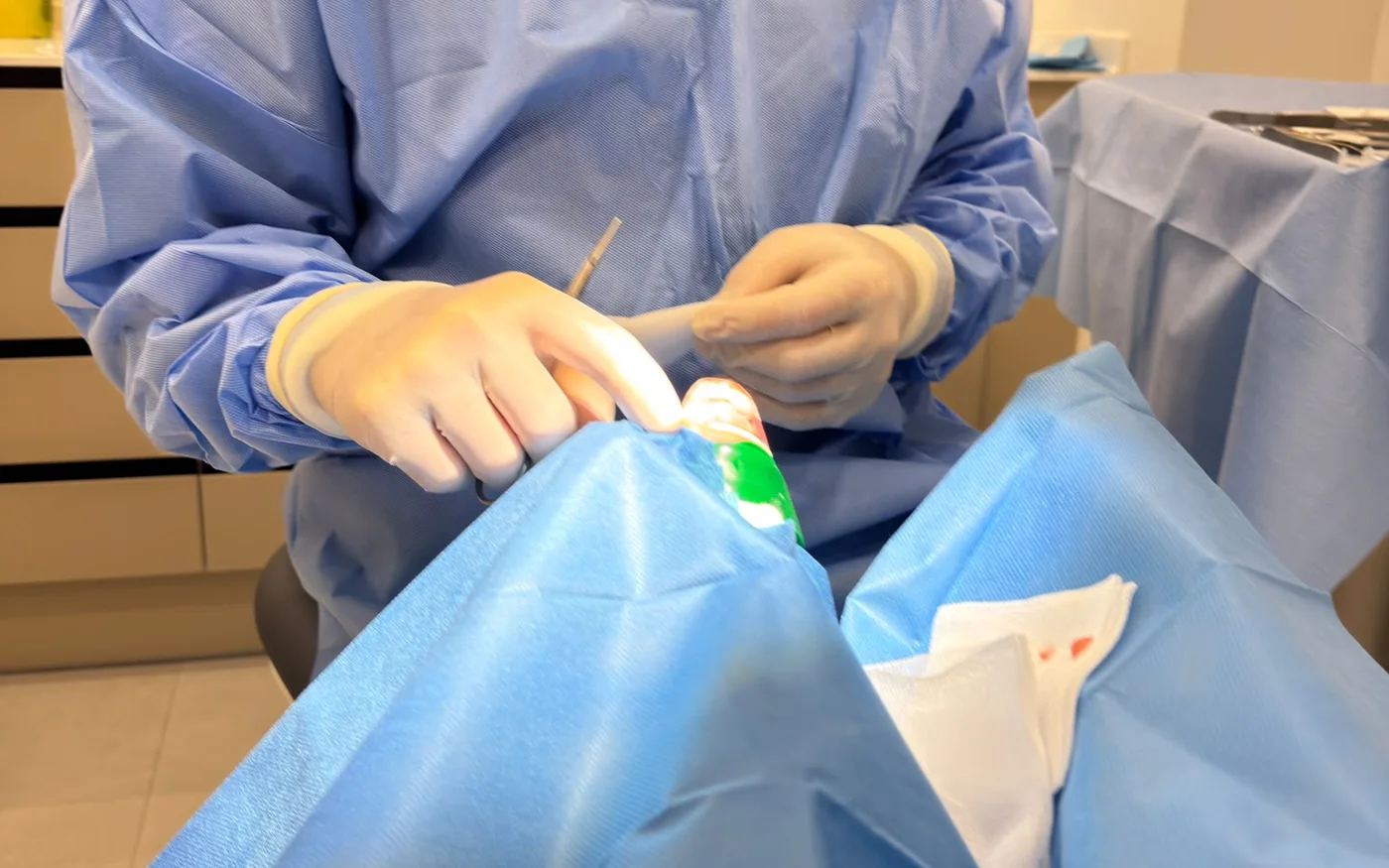
Minimally invasive foot surgery uses small incisions and specialized instruments to correct the root cause of the deformity. Depending on the case, tendons may be released or lengthened, the position of a bone may be modified, or different techniques may be combined to balance the toe.
There is no single universal surgery for all claw or hammer toes. A flexible deformity may require a different approach than a rigid toe with joint involvement. It is also necessary to assess whether there is a bunion, a toe dislocation, or forefoot overload. You can learn more about what minimally invasive surgery entails and its indications.
After the procedure, it is common to use a postoperative shoe or a special support device for a period of time. Weight-bearing, wound care, swelling, and the return to activity depend on the specific technique and the individual patient’s response. Even though the incisions are small, this does not mean that recovery is immediate or without risks.
Possible complications include infection, persistent swelling, stiffness, changes in sensitivity, recurrence of the deformity, or residual pain. The outcome also depends on factors such as smoking, bone quality, adherence to medical instructions, and the overall condition of the foot. Therefore, it is important to have realistic expectations and attend follow-up appointments.
For more general guidance on foot problems, you can consult this information from MedlinePlus on foot injuries and disorders and the FootCareMD resource on foot and ankle conditions. These are helpful educational resources, but they do not replace a medical visit.
In summary, correcting claw and hammer toes requires identifying the type of deformity, the degree of rigidity, and the underlying cause of the pain. Footwear, protectors, exercises, and orthotic insoles may be sufficient in some cases. When there is a rigid deformity or persistent symptoms, minimally invasive surgery can be an option, always following a personalized assessment.
If you experience pain, recurring calluses, or difficulty finding comfortable shoes, you can request an appointment and have your case evaluated at your own pace at contact.