Runner’s black toenail is almost a rite of passage: the long run, the trail race or the new running shoes arrive, and you wake up with a purple or black toenail. In the vast majority of cases, it is a subungual haematoma — blood trapped under the nail due to microtrauma — and it resolves on its own.
However: “almost always benign” does not mean “always ignorable”. Let’s look at the causes, the correct management and the signs that do require a consultation.
What exactly happens under the nail
With every stride, the foot shifts a few millimetres inside the shoe. If the toe box is too short, the lacing doesn’t secure the foot or the descent is long, the toe hits the shoe hundreds of times per kilometre. The small vessels under the nail eventually break, and the blood becomes trapped between the nail and its bed.

This pressurised blood explains the throbbing pain of the first few hours, and its colour explains the shock: dark red at first, then purple and black. The most affected toes are the first and second, depending on which is the longest on your foot.
There isn’t always a single, clear impact. Sometimes the haematoma appears the day after a run and you don’t recall any specific moment of pain. This is typical of repeated microtrauma: the toe has been impacting or rubbing for a long time, especially on uneven terrain.
It can also happen the other way around: a shoe that is too big allows the foot to slide forward, whilst one that is very rigid or has a narrow toe box concentrates pressure on a specific area. Socks with thick seams, nails that are too long and the normal swelling of the foot during exercise can all add to the problem.
What to do in the first few days
If it hurts little, little needs to be done: cold for the first few hours, wide shoes for a few days and patience. The stain will grow outwards with the nail over the course of months; this is the sign that everything is going well.
Apply the cold wrapped in a cloth, in short periods, and never directly onto the skin. Elevating the foot slightly when resting can be comfortable if there is a feeling of pressure. For walking, choose footwear that does not touch the top or the tip of the toe. Do not try to hide the area inside a tight shoe to resume training prematurely.
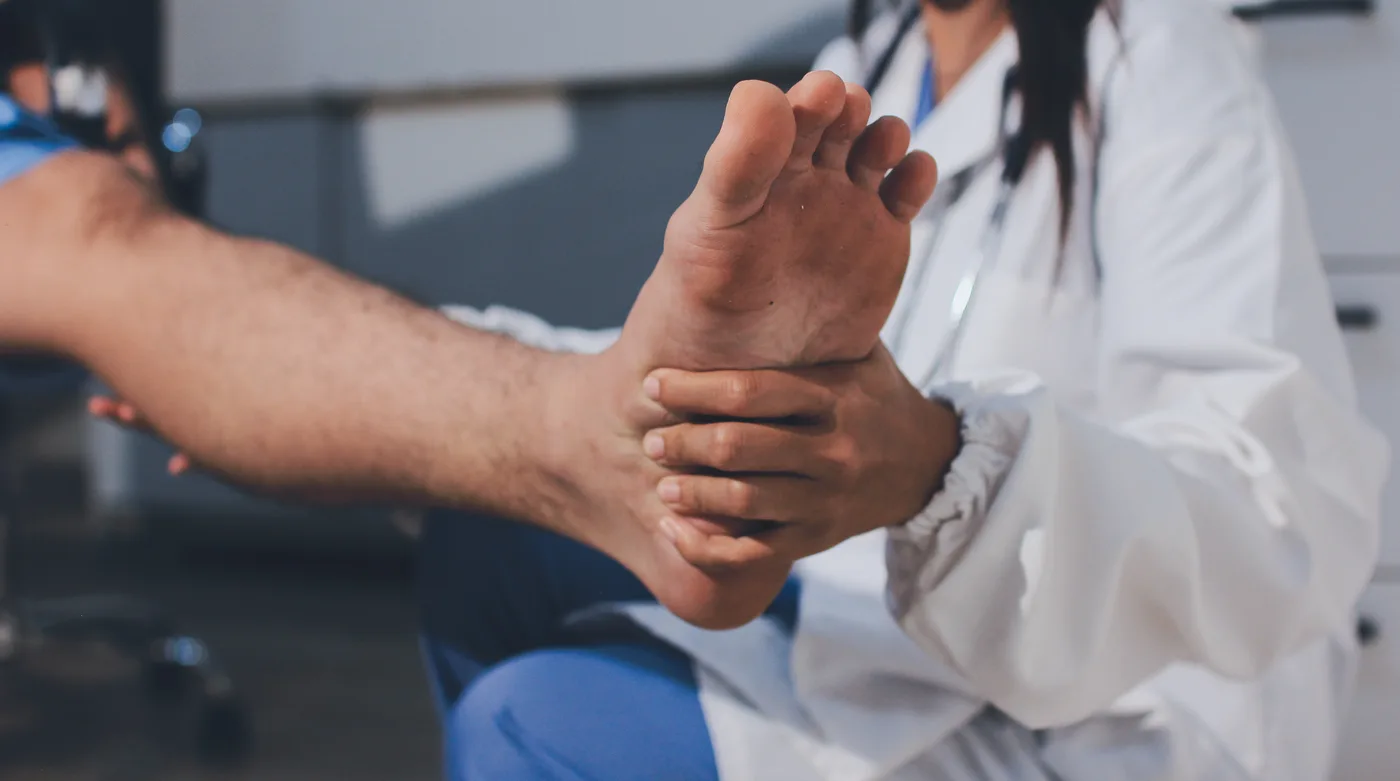
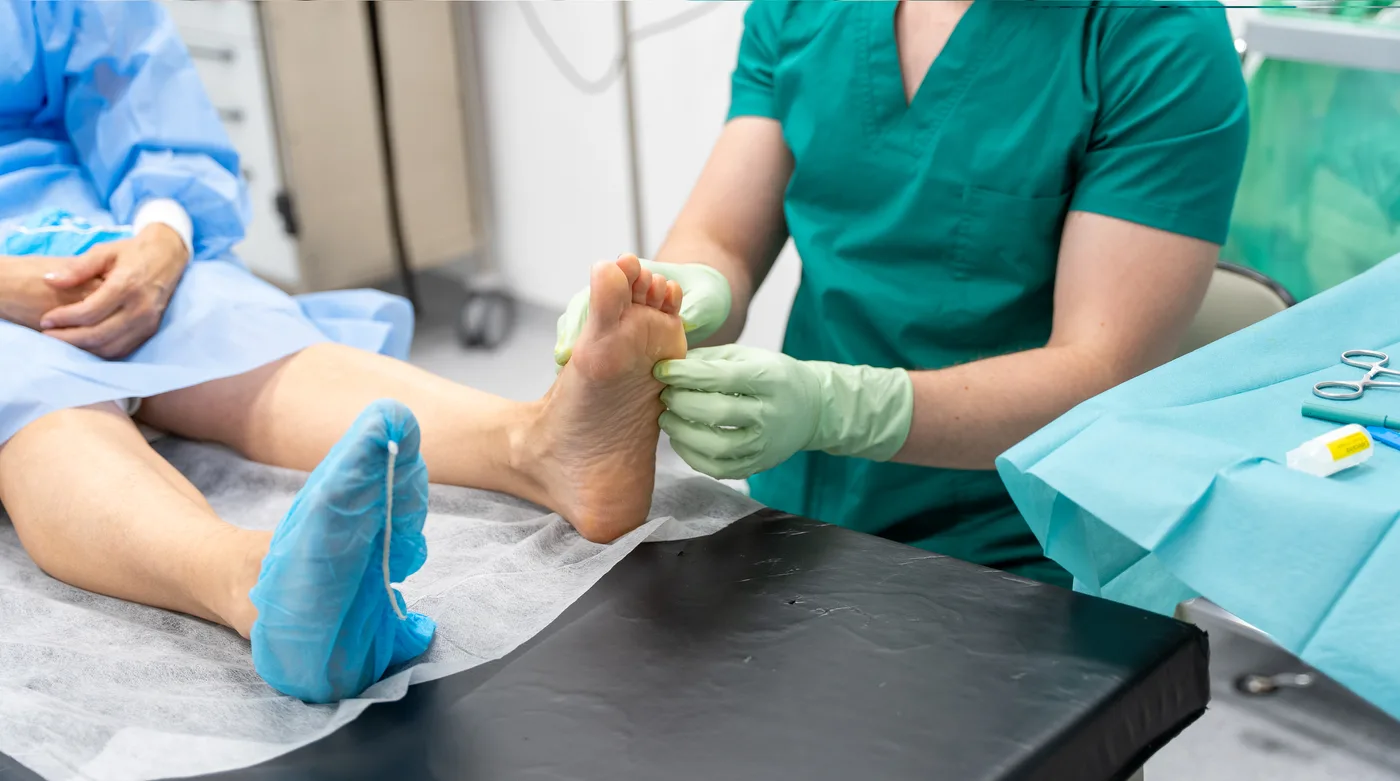
If the haematoma is recent, under tension and throbbing fiercely, drainage provides almost immediate relief — but this must be done in a clinic, with sterile equipment. The classic “pierce it at home with a heated needle” works in films; in real life, it is the fast track to an infection under the nail.
Drainage is not always necessary. It depends on the time elapsed, the size and pressure, the condition of the nail and whether there are other injuries. If the impact was severe, a surrounding wound or a possible bone injury must also be assessed. Do not force the nail or pierce it if you do not know exactly what is underneath.
And if the nail begins to lift: do not pull it. Trim it as it comes loose, keep the area clean and let the new nail push through from underneath. A complete replacement takes 6 to 12 months, just like any toenail.
During this time, it is normal for the nail to look irregular, lift slightly or grow very slowly. Protect it from new impacts with a dressing if the footwear rubs against it, but change it if it gets damp. Consult a professional if spreading redness, heat, discharge, a bad smell or worsening rather than improving pain appears.
When you can run again
There is no need to wait for the black colour to disappear before returning to activity. The main reference is how you feel: you should be able to walk, climb stairs and put on a running shoe without significant pain or a growing feeling of pressure.
Start with a shorter and flatter session than usual. Observe the toe during the following hours and the next day, because a tolerable session at the time can cause more sensitivity afterwards. If the throbbing pain returns, you notice the nail rubbing or a blister appears, reduce the load and check your footwear before continuing.
Do not wear new running shoes for a race or a particularly long run. Wear them first on short training runs and check that the foot does not slide forward, that the toes can move and that the toe box does not put pressure on the descent. Comfort in the first minute does not guarantee that the footwear will work after an hour.
Prevention is in the shoe (almost always)
Three checks prevent the majority of recurrences. The size: in a running shoe you need about a thumb’s width of space between the longest toe and the toe box, checked in the afternoon with a swollen foot and your running socks — the same logic we apply to footwear for plantar fasciitis.
Size is not the only criterion. Two models with the same number can have very different widths, toe box heights and shapes. If the toes are compressed laterally or cannot extend, the problem may be the last, even if the length seems correct.
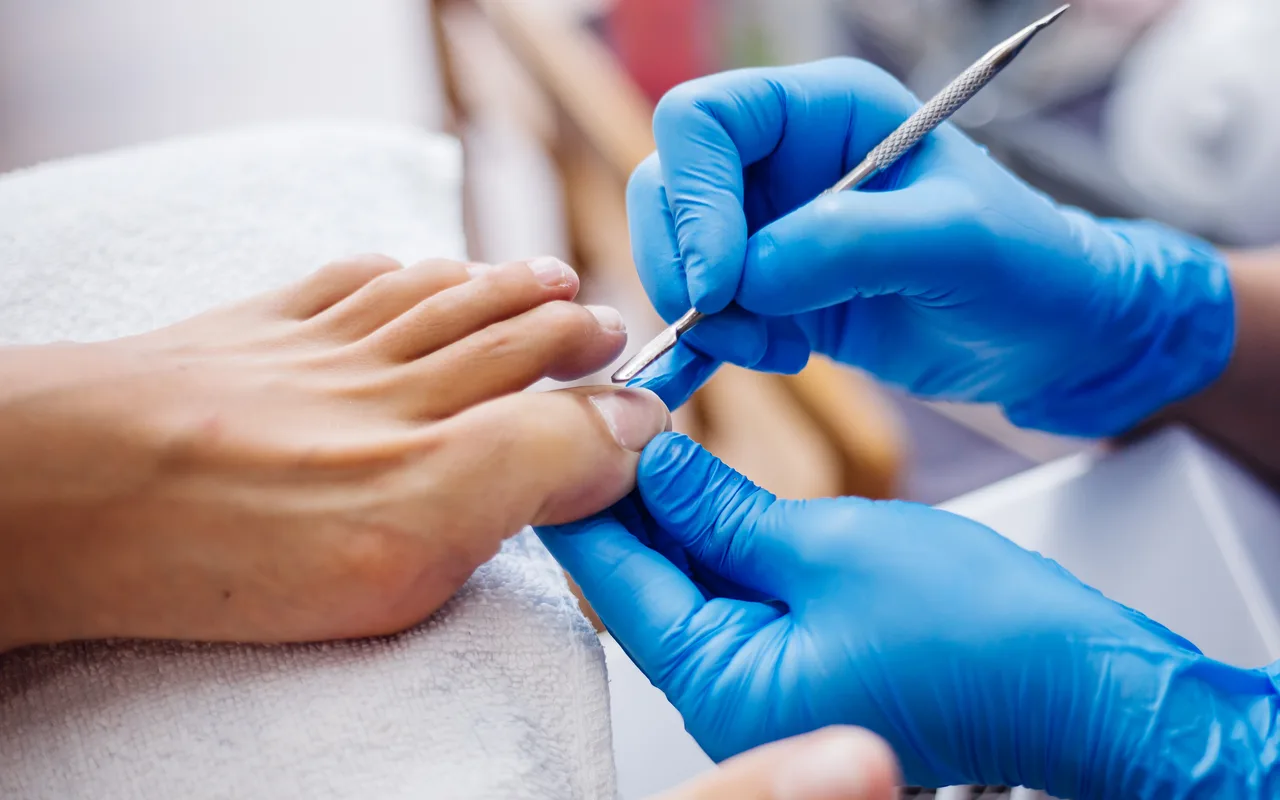
Nail cutting: straight and flush before long runs. A protruding nail acts as a lever against the toe box with every impact. Do not cut it excessively short or round the corners too much, as this can encourage them to dig into the sides. If you have a thick, deformed or difficult-to-cut nail, it is best for a professional to handle it.
And the lacing: on long descents, a heel-lock lacing (the classic extra eyelet) prevents the foot from slamming into the toe box. Lacing too tightly at the front, however, can increase pressure on the toes. The aim is to keep the heel stable without trapping the forefoot.
If everything is in order and black nails keep recurring on the same toe, the clue points to your mechanics: a toe that claws or a gait that overloads that area. This is where the runner’s gait analysis finds the cause that the shoe cannot explain.
When the black nail is not from sports
Here is the part we do not want you to skip. Runner’s black toenail has a history that explains it: kilometres, mountains, shoes. When this history does not exist, the dark stain warrants a different look.
Signs to consult without waiting: a stain that appears without known trauma; a new longitudinal dark band running from the base to the tip; a stain that does not move outwards as the nail grows (a haematoma migrates with the nail; other lesions do not); or pigment spreading to the surrounding skin. It will almost always turn out to be benign, but this is exactly the type of uncertainty that a professional needs to examine, as outlined in the MedlinePlus resources on nail diseases. To expand on this with an independent source, see foot injuries and disorders (MedlinePlus).
A photograph can help compare the evolution, but it does not replace an examination. The professional can observe whether the pigment is within the nail, whether it affects the surrounding skin, whether there is deformation or whether the colour corresponds rather to dried blood, infection or another alteration. Do not try to scrape off the stain to check: you can injure the nail plate and hinder the assessment.
And a special mention: if you have diabetes or circulatory problems, any nail that changes colour should be consulted early, without the “let’s see how it evolves” period.
Recurring black nail: do not normalise it
The veteran runner tends to collect black toenails like someone collects race bibs. Mistake: a nail that is traumatised season after season eventually becomes permanently thickened and deformed, and a damaged nail plate is also more welcoming to fungi — if that ship has already sailed, you will be interested in the guide on stubborn toenail fungus.
Furthermore, a deformed nail takes up more space inside the shoe and can generate a difficult cycle to break: more thickness, more contact, more pressure and new trauma. In some cases, the way the toe bears weight is also modified to avoid pain, and this compensation ends up overloading other areas of the foot.
The short version: an isolated black toenail with a clear cause is an anecdote; one that recurs is a message from your shoe, your technique or your gait. Listening to it in time is cheaper than ignoring it — and in a short visit we can clear up doubts, check your footwear with you and, if necessary, analyse your gait when running.
There is no need to wait until the problem is very painful or the nail falls off completely. An early review allows us to distinguish a simple haematoma from an injury that needs more attention, protect the nail while it grows and adjust the habits that caused the trauma. The goal is not only to save this nail, but to prevent the next race from leaving you with the same reminder.