Plantar wart or corn? This is one of the most common mix-ups we see in the clinic, and it is not harmless: they require completely opposite treatments. A corn is dead skin caused by pressure and is resolved by removing it and addressing the cause; a wart is a viral infection that, if scratched, burnt or filed down, can spread.
The good news: with five clues, you can tell them apart quite well. And there is a golden rule: when in doubt, no corn plasters.
It is also important to know that not all lesions on the sole of the foot are necessarily one of these two. There are highly localized corns, blisters, splinters, eczema and other skin alterations that can look similar. This is why these clues provide guidance, but they do not replace an examination when the lesion is persistent, atypical or painful.
Why they look so similar
Both appear on the sole of the foot as an area of thickened skin, and that is where the real similarity ends. A papilloma is a plantar wart: an infection caused by the human papillomavirus which, being in a weight-bearing area, cannot grow outwards and sinks under the skin. The body covers it with hard skin… and this hardness is what deceives the eye.

This is why many people file down or cut off “a corn” for months whilst the wart remains underneath, quite happily. If this sounds familiar, keep reading.
Pressure can also modify the appearance of a wart. When walking, the lesion becomes compressed and may look flat, especially under the toes or in the metatarsal area. Conversely, a corn can become inflamed and painful if the shoe rubs or if the skin is very dry. Context is just as important as appearance.
Furthermore, a wart does not always appear as a single, round lesion. There may be several nearby warts that eventually form a plaque, or small lesions surrounding the main one. This clustering is yet another reason not to tamper with them at home: cutting one can irritate the surrounding skin and hinder subsequent assessment.
The five differences that give it away
1. The squeeze test. Pinch the lesion between two fingers and squeeze it from the sides: the wart hurts with this pinch; the corn hardly at all. Reverse the test — direct pressure, as if walking — and the result is reversed: the corn protests, the wart less so.
Perform this test gently and do not persist if it causes severe pain. There is no need to squeeze hard or try to lift the skin. In a highly inflamed lesion, the response may be less clear, and the result should not be interpreted in isolation.
2. The skin lines. Look closely (a torch helps): with a corn, the skin lines run straight across the lesion without disruption. With a wart, the lines stop and surround it, like a clearing in a forest.
If the skin is very thickened, it may be difficult to see these lines with the naked eye. In the clinic, removing only the superficial layer of hard skin allows for a better view of the actual texture, without the need to create a deep wound.
3. The black dots. A wart usually shows tiny dark spots on its surface: these are thrombosed capillaries, blood vessels typical of the lesion. A corn is uniform, yellowish, and without spots.
Do not confuse these spots with dirt. Washing the foot will not make them disappear, whereas a superficial stain might. There is also no need to scratch to check this: bleeding or irritation can alter the appearance and make the lesion more uncomfortable.
4. The location. A corn appears where there is pressure: under the metatarsals, on the heel, over a bony prominence. A wart can appear where there is no load at all — and a “corn” in a non-pressure area is suspicious by definition.
Footwear, the shape of the foot and the way you walk explain many corns. If the thickened skin coincides with a seam, an inadequate insole or a rubbing toe, this cause must also be assessed. Removing the hard skin without addressing the friction usually only provides temporary relief.
5. The history. A corn grows slowly and always returns to the same spot. A wart can appear relatively quickly, sometimes after time spent at a swimming pool or changing room, and multiply into satellite lesions around it.
This does not mean you can know exactly when the infection occurred. The virus can show signs after a variable amount of time, and there is not always a clear memory of having been in a swimming pool. Nor is it useful to look for a culprit: the most important thing is to prevent its spread and treat the lesion appropriately.
The classic mistake: the corn plaster “just in case”
Corn plasters and liquids burn the skin without asking what lies underneath. On a wart, the usual result is inflammation, pain and a lesion that is more difficult to treat afterwards; in the worst case, tampering helps to spread the virus.
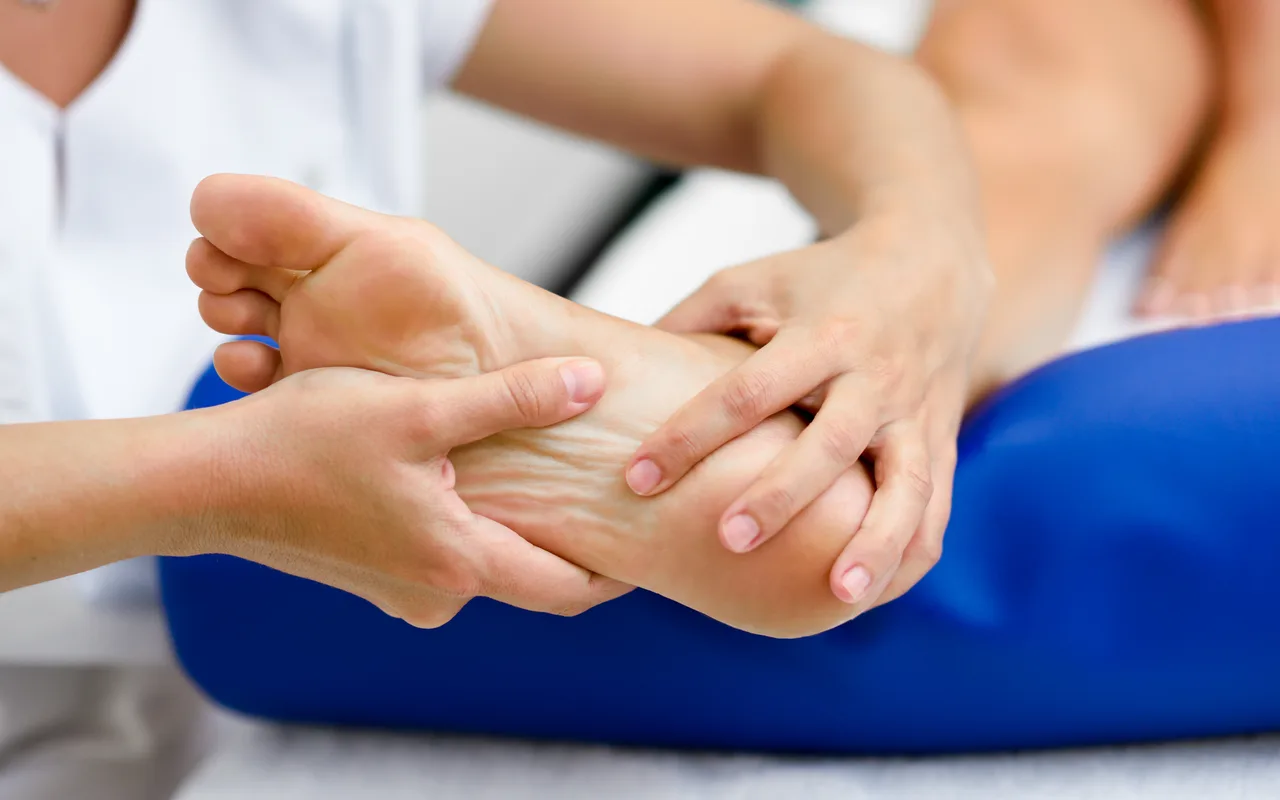
And a warning we always repeat: with diabetes or poor circulation, corn plasters are discouraged regardless of the lesion. A chemical burn on a high-risk foot is a serious problem, as noted by the MedlinePlus information on warts. To expand on this with an independent source, consult foot injuries and disorders (MedlinePlus).
It is also not a good idea to cut it with scissors, needles or blades, or to share files or pumice stones. Aside from the risk of injury, these tools can irritate the skin and transmit the problem to other areas. If you have already done so and there is bleeding, spreading redness, discharge or increasing pain, seek medical advice.
At home, whilst waiting for an assessment, keep your foot clean and dry, avoid handling the area and cover it if it rubs against your footwear. There is no need to apply multiple products at once. If there are other affected people in your household, do not share towels, socks or pedicure tools.
What we do in the clinic for each
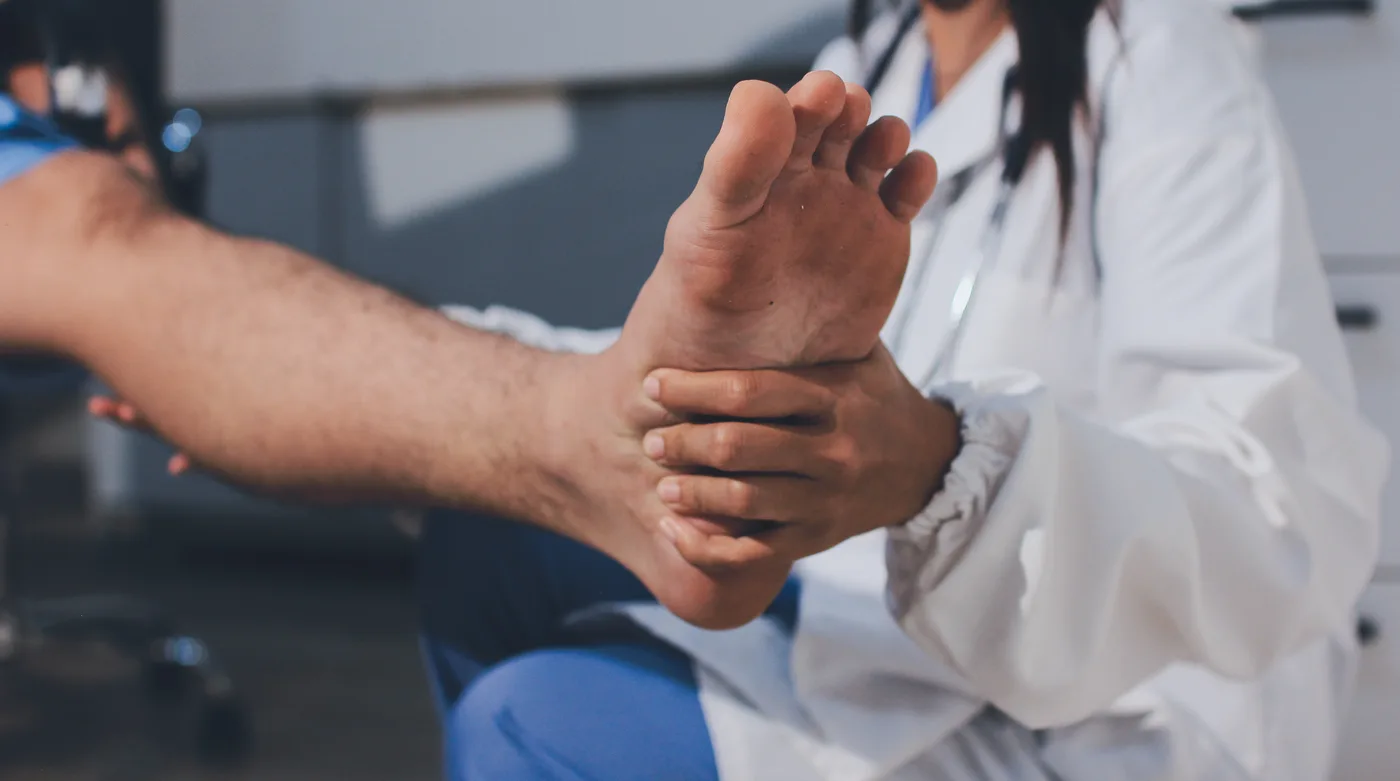
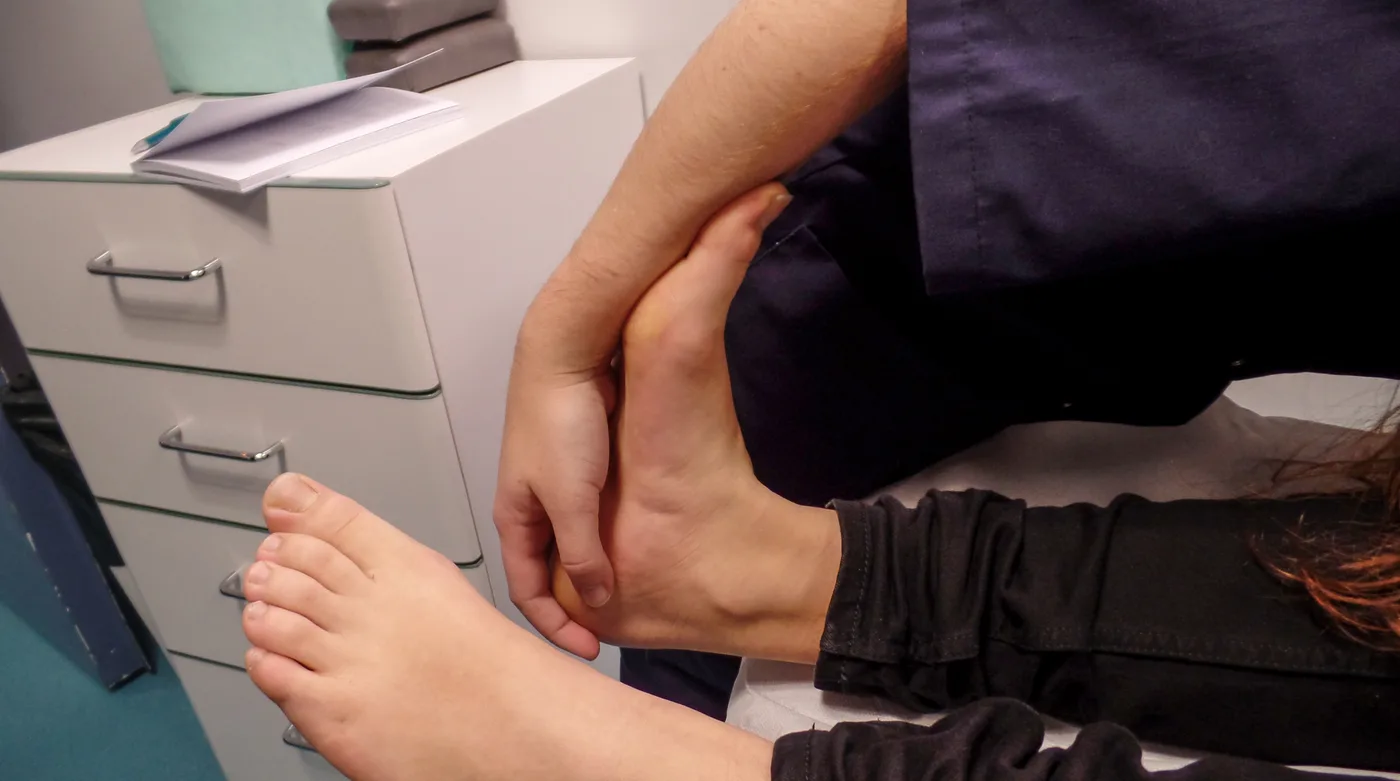
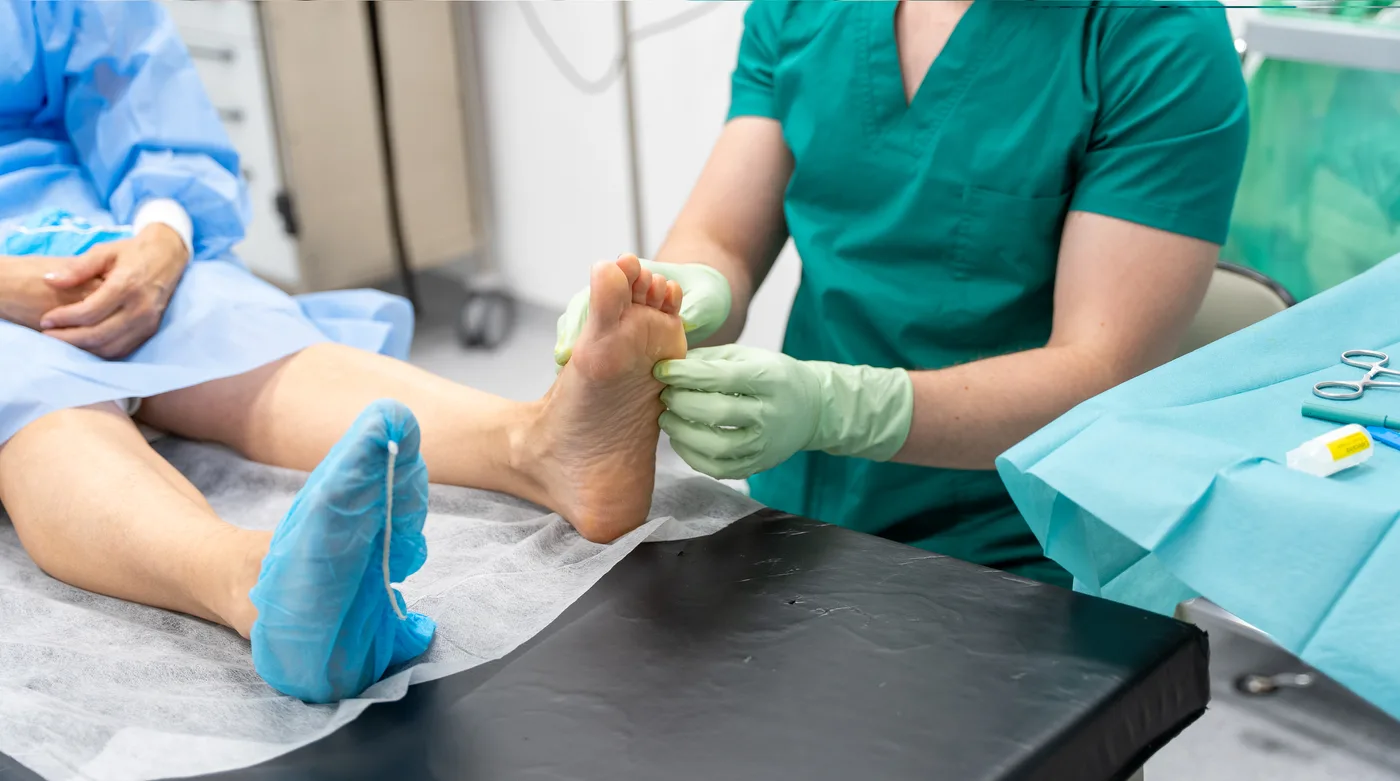
The diagnosis is quick: visual examination using the tests above and, if necessary, superficial debridement to see the base of the lesion — the wart reveals its capillaries, the corn does not.
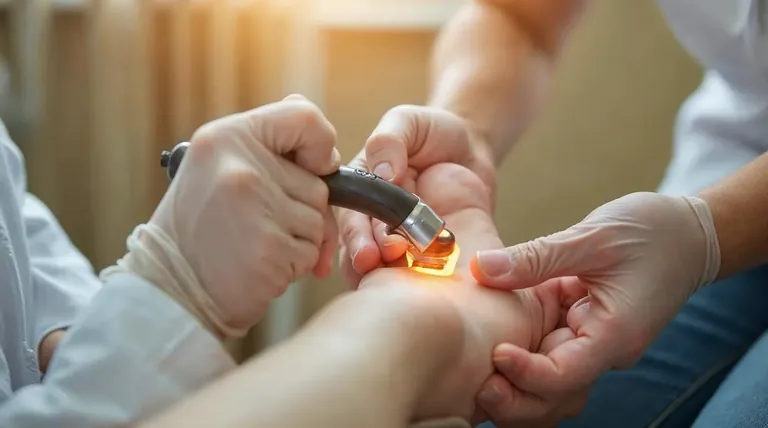
If it is a corn or callus, podiatry removes it in the same session pain-free, and we look for the mechanical cause so it takes longer to return: sometimes it is footwear, sometimes it is the way you walk. If it is a plantar wart, a treatment plan is devised based on its size, number and evolution time — the treatments are progressive and require consistency, but when managed well, they have a very good prognosis.
In the case of a corn, the check-up should not be limited to “smoothing the skin”. We observe whether there is a hammer toe, a bony prominence, a worn-out insole or a load distribution that explains the recurrence. Sometimes it is enough to change the footwear, protect a pressure point or adapt a support; at other times, a more comprehensive study is required.
With a wart, the plan may include successive check-ups and specific instructions for home. The response is not always immediate and the appearance of the skin may change during the process. It is better to follow the indicated schedule than to alternate treatments on your own or abandon them when it stops hurting but the lesion is still there.
By the way: the same damp floor that spreads warts also spreads fungi. If you also have nails that change colour, you will be interested in the guide on stubborn toenail fungus.
How to reduce the risk of warts and corns
To prevent warts, wear flip-flops in swimming pools, showers and changing rooms, dry your feet thoroughly and avoid walking barefoot on shared surfaces if you have a wound or irritated skin. Do not share footwear or towels. Prevention is not foolproof, but it reduces unnecessary exposure and helps protect the people around you too.
For corns, prioritise shoes with enough room in the toe box, a stable sole and materials that do not cause friction. Change them if they are deformed or if you always feel pressure in the same spot. Moisturising creams can help with dryness, but they do not solve a mechanical overload, nor should they be applied between the toes if the area remains moist.
When to seek advice without overthinking it
If the lesion hurts when walking, grows, multiplies or has resisted your home care for over a month, stop experimenting: a short visit resolves the doubt and the plan. And if you use swimming pools, changing rooms or shared showers, flip-flops are the best prevention there is — cheap, boring and effective.
Seek advice earlier, without waiting, if you have diabetes, poor circulation, reduced sensation in your feet or a weakened immune system. Also if the lesion bleeds without having been tampered with, changes appearance quickly or prevents you from walking normally. In these cases, the margin for home testing is particularly small.
The final rule is as always: treating a small wart early is straightforward; treating a widespread plaque of warts late is a campaign. The difference is made on the day you decide to clear up your doubts.