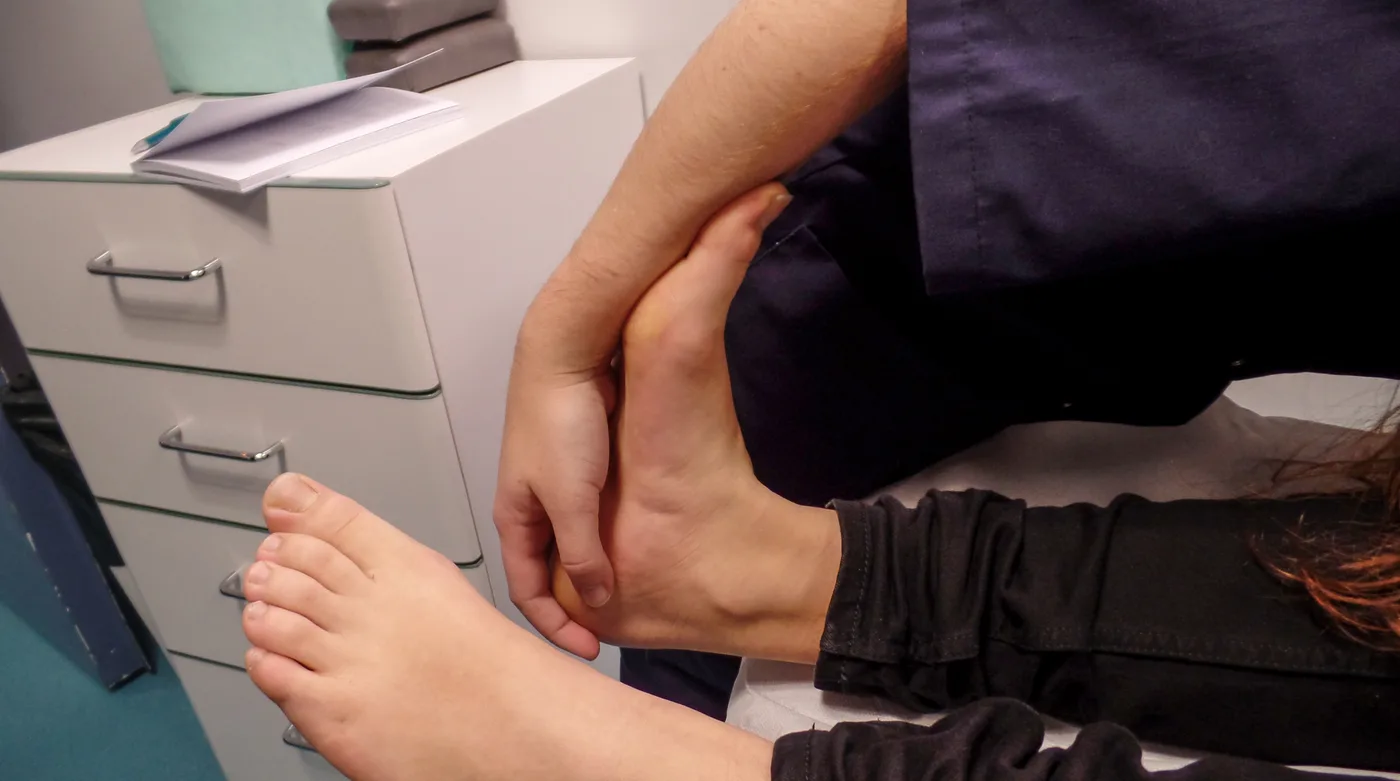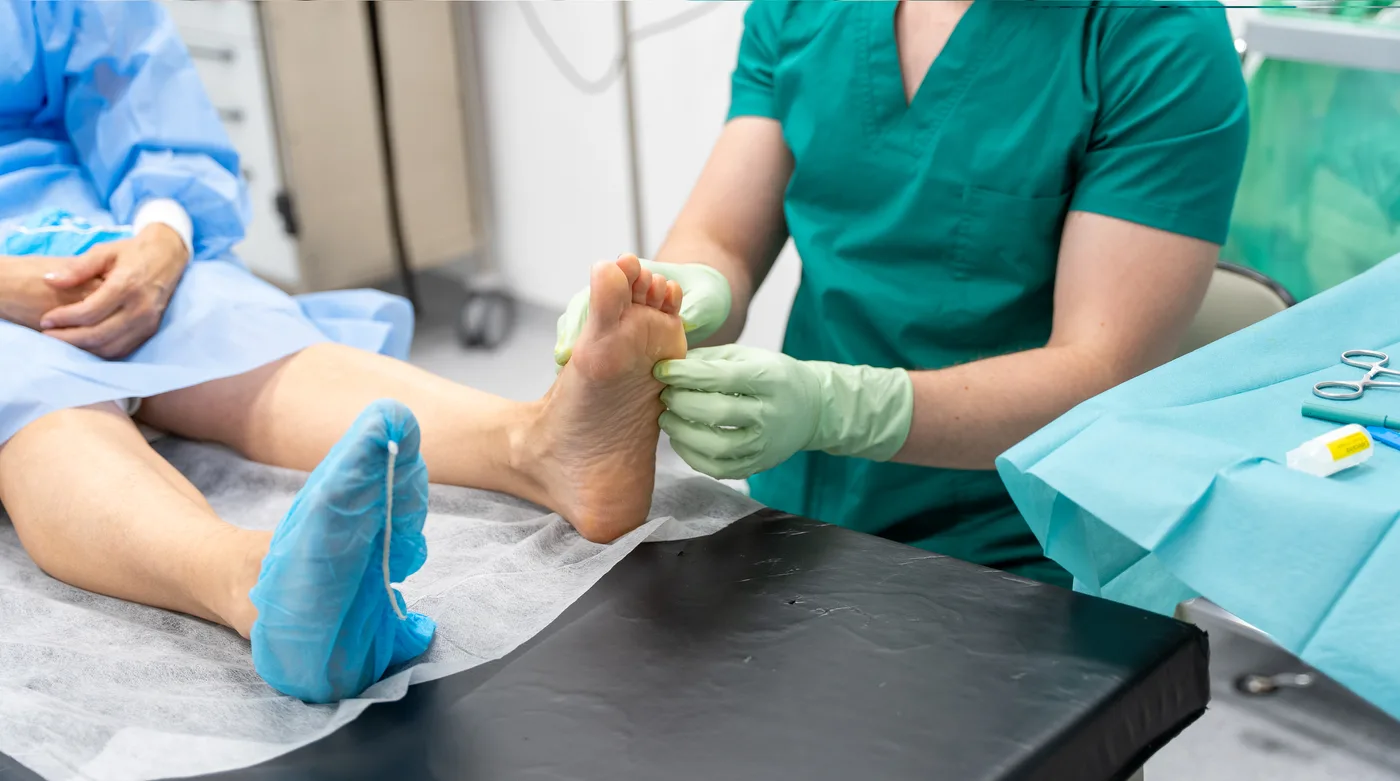
Being told “you need foot surgery” is one of those phrases that leaves your mind racing. Perhaps you left the consultation without fully understanding why, or feeling that everything went too quickly, or simply wanting someone else to confirm it before taking the plunge. All of this is normal, and it is exactly what a second opinion resolves.
Asking for one is not about distrusting anyone: it is about wanting to make a calm decision regarding something important. Here we explain when it makes particular sense and what you should take away from it.
Surgery is not merely a technique. It also involves a recovery period, potential limitations for a few days or weeks, wound care, changes in footwear, and a degree of uncertainty about how the foot will progress. That is why it is reasonable to want to understand what is being proposed, what the goal is, and how it fits into your daily life.
A second opinion does not always serve to change the treatment. Often, it helps to organise the information, review whether the diagnosis is consistent with your symptoms, and better prepare you for the decision. It can also help you identify questions you had not thought to ask during your first visit.
Signs that make it advisable
Not every surgical indication requires a second assessment, but there are situations where it is highly worthwhile. The first and clearest one: you do not fully understand why you need surgery. If you left the consultation with more questions than answers, that is reason enough.
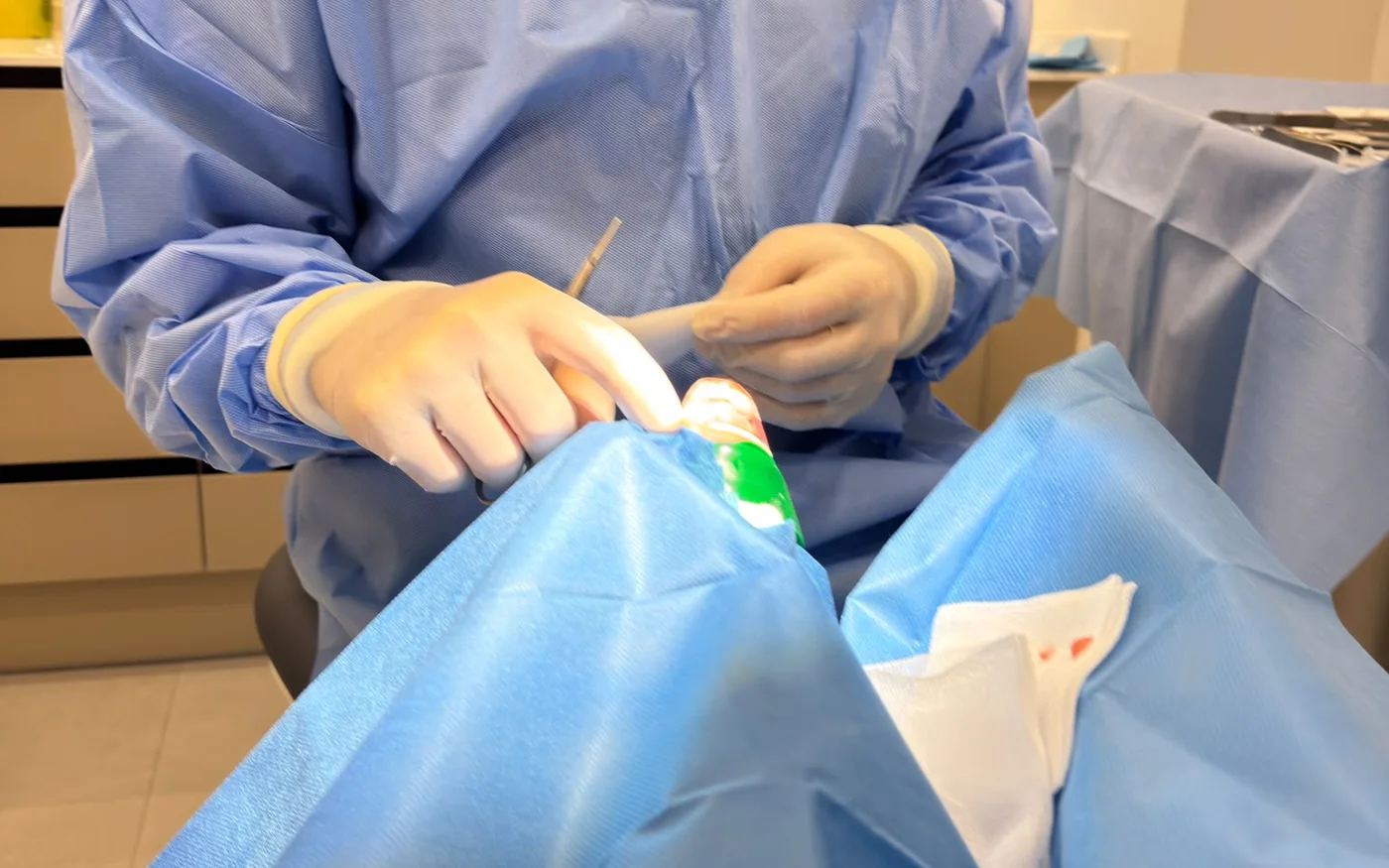
The second: conservative options have not been tried and you do not know if there are any. For many foot problems, there is room for manoeuvre before entering the operating theatre —insoles, treatments, footwear changes— and it is advisable to have explored this or, at the very least, know why it does not apply to your case. With bunions, for example, surgery is an option, not the only door.
The third: a quick diagnosis, without tests to support it. And the fourth, the most human of all: you need peace of mind. A surgical decision made in haste or out of fear often weighs heavily later on; made with confidence, it does not.
It is also particularly useful to request another assessment when your symptoms do not quite match the diagnosis you have been given. For instance, if the pain seems to stem from a different area, if it only appears during a specific activity, or if there is tingling, loss of sensation, or a feeling of instability. This does not necessarily mean the initial diagnosis is incorrect, but it does suggest the overall picture should be reviewed.
Another sign is if an operation has been suggested without clearly explaining the aim to you. Some interventions seek to relieve pain, others to correct a deformity, stabilise a joint, or prevent an injury from progressing. Knowing what they intend to achieve helps you assess whether the proposal truly addresses what limits you the most.
If you have other health problems, take regular medication, or have already had surgery on the same foot, it is also reasonable to seek an opinion that takes your full medical history into account. The indication does not depend solely on an X-ray: it depends on the combination of examination, symptoms, activity, expectations, and overall health.
It is not distrust: it is good medical practice
It is worth stating clearly, as many people do not dare ask for one for fear of “causing offence”: a second opinion is a normal and accepted practice, especially when facing surgery. No good professional takes it personally, because the shared goal is the same —for you to make the right decision—, not to be proven right.
In fact, the second opinion often matches the first, and then what you gain is confidence: you go into the operating theatre convinced, not plagued by nagging doubts. And when it differs, it is not about catching anyone out, but rather about giving you more elements to help you ask questions and make choices. This is precisely the philosophy with which Dr. Marc Serven approaches consultations: explaining everything to you before you decide anything.
A different opinion does not automatically imply that one proposal is better than the other, either. There may be several reasonable ways to approach the same problem, depending on age, physical activity, occupation, the type of deformity, or the response to previous treatments. What matters is that you understand the differences and can assess them using informed judgement.
During a second opinion visit, you should not feel pressured into having surgery. Nor should you be promised that you will never need it. Podiatric medicine has nuances, and a cautious explanation includes both the expected benefits and the limitations, risks, and situations that might warrant a change of plan.
Furthermore, seeking another assessment can improve communication with the first professional. When you return to the surgery, you may already know to ask what exactly needs correcting, what would happen if you wait, and what criteria will be used to assess whether your progress is good.
What you should leave knowing
A good second opinion is not just “another yes” or “another no”. It is clarity. You should leave understanding four things: what your diagnosis is, why surgery is (or is not) being proposed, what alternatives you have, and what happens if you wait. If you do not walk away with this, the consultation has not done its job.

It is also advisable for them to explain the specific goal of the intervention and what improvement you can reasonably expect. Seeking less pain is not the same as aiming to return to a particular sport or correcting the appearance of the foot. Expectations must be realistic and shared before making any decision.
Ask what the process would involve in practical terms. Will you have to walk from day one? Will you need a post-operative shoe, crutches, or help at home? When will you be able to drive, work, or exercise again? The answer depends on the operation and the individual, but having a general guide helps you plan and prevents you from underestimating the recovery.
It is also important to know which risks are specific to your case and how they would be managed. Ask what is normal to experience afterwards, which symptoms are part of the normal healing process, and which should prompt you to contact the medical team. Receiving these instructions before the operation provides greater peace of mind during the post-operative period.
To make the most of it, bring everything you have: reports, X-rays, ultrasound scans, and the previous recommendation. The more context provided, the more accurate the assessment will be, and the fewer tests will need to be repeated. At Serven, minimally invasive surgery and open techniques are only considered when indicated, and always following this conversation.
If possible, prepare a brief list of your symptoms beforehand: when they started, what triggers them, how severe they are, and what you have tried so far. Also bring a list of medications, allergies, previous operations, and activities you wish to be able to continue doing. This information can be just as useful as an imaging test.
If someone accompanies you, they can help you remember the explanations and identify doubts that might not occur to you during the visit. You do not need to arrive with a decision already made. The goal is to leave with enough information to decide whether you want to monitor the situation, try an alternative, seek further consultation, or schedule the surgery.
You have time: use it
The fear that makes many people hesitate is “what if I miss my chance?”. In foot problems that lead to surgery —bunions, hammer toes, osteoarthritis— the progression is slow, and taking a few weeks to assess things properly will not change the prognosis. If there were a real cause for urgency, that is precisely the kind of thing a second opinion would confirm. Organisations such as the US National Library of Medicine (MedlinePlus) list a second opinion as a reasonable step before scheduled surgery, and maintain general information on foot injuries and disorders.
This does not mean that all cases can wait indefinitely. There are acute injuries, infections, non-healing wounds, sudden pain with significant changes in colour or temperature, or a new loss of sensation and strength that require prompt medical assessment. If you have diabetes, vascular, or immune conditions, the threshold for seeking advice should be lower.
In scheduled surgery, however, it is usual to have a window of time to inform yourself. You can ask how long it is reasonable to wait, what changes should prompt you to bring your appointment forward, and whether there are any temporary measures to control the discomfort. In the meantime, avoid experimenting on your own or continuing an activity that clearly worsens the pain.
Do not compare yourself to other people who have had a similar operation. Two feet with the same diagnosis may have very different deformities, ranges of motion, and needs. Friends’ experiences or internet testimonials might guide your questions, but they do not replace an examination, nor can they predict your recovery.
In short: if you have been told you need surgery and have any lingering doubts, you have the right —and the time— to make a calm decision. A second opinion is not about delaying a solution for the sake of it: it is about ensuring you understand the problem, the options, and the path ahead. If you want a calm review of your case, request a second opinion and you will leave knowing exactly where you stand.